NEMT vs Ambulance: Key Differences Explained

Explore the critical differences between Non-Emergency Medical Transportation and ambulance services to ensure the right care for your needs.

When deciding between Non-Emergency Medical Transportation (NEMT) and ambulance services, the key difference lies in urgency and purpose:

  • Ambulance services are for emergencies like heart attacks or severe injuries. They are equipped with advanced medical tools, staffed by EMTs or paramedics, and respond immediately via 911 calls. Costs range from $600 to $1,300+ and are typically covered by insurance for emergencies.
  • NEMT services handle non-urgent medical travel, such as rides to dialysis, therapy, or follow-up appointments. These vehicles focus on accessibility (e.g., wheelchair lifts) and comfort, with trained drivers providing assistance. Costs are much lower, often $30 to $300, and are frequently covered by Medicaid or private insurance.

Quick Comparison:

Feature Ambulance Services NEMT Services
Purpose Emergency medical care Non-urgent medical appointments
Urgency Immediate (911 dispatched) Scheduled in advance
Vehicle Features Advanced medical equipment Accessibility-focused
Staff EMTs/Paramedics Trained drivers
Cost $600–$1,300+ $30–$300
Insurance Often covered for emergencies Often covered by Medicaid/insurance

Choosing the right option saves money and ensures proper care. Use ambulances for life-threatening situations and NEMT for routine medical transport.

Emergency vs. Non-Emergency Medical Transportation

Main Differences Between NEMT and Ambulance Services

When comparing NEMT (Non-Emergency Medical Transportation) and ambulance services, the differences go well beyond just the cost. These two transportation options cater to distinct needs, use different types of vehicles, and involve staff with varying levels of training.

Purpose and Emergency Level

Ambulance services are for life-threatening emergencies that demand immediate medical attention. These include critical situations like heart attacks, strokes, severe injuries, or any condition where every second matters. Ambulances are dispatched through 911 calls and are specifically designed for rapid response in such scenarios.

"Ambulances are strictly reserved for helping individuals in emergencies… requesting an ambulance in a non-emergency situation is not allowed." – UnitedMedTrans

On the other hand, NEMT services are tailored for non-urgent situations, providing safe and reliable transportation for patients who need to get to medical appointments but don’t require emergency care. This could include trips for dialysis, physical therapy, chemotherapy, or post-surgery follow-ups.

The main difference boils down to urgency and medical need. If someone is experiencing chest pain or difficulty breathing, they need an ambulance. For routine medical visits, NEMT is the appropriate choice.

Vehicle Types and Equipment

The vehicles and equipment used by these services reflect their distinct purposes. Ambulances are highly specialized emergency vehicles, often modified vans or trucks equipped with advanced medical tools like defibrillators, ventilators, ECG monitors, IV fluids, and emergency medications. These vehicles are also outfitted with emergency lights and sirens to navigate traffic quickly.

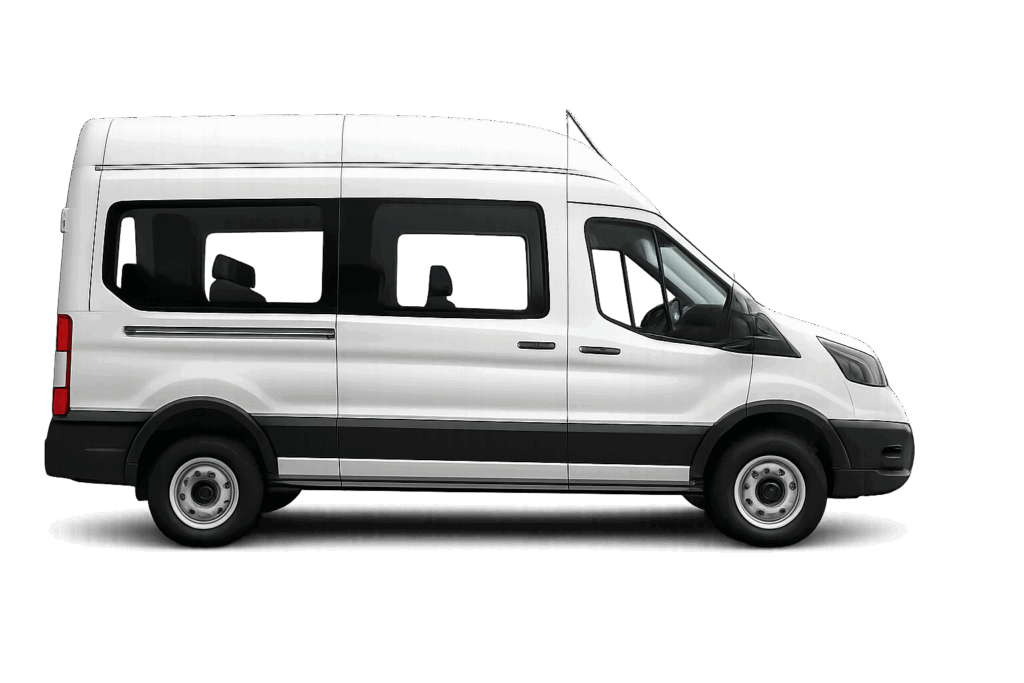
NEMT vehicles prioritize comfort and accessibility rather than emergency response. These vehicles can range from standard passenger cars to wheelchair-accessible vans or stretcher-equipped transport vehicles. Their focus is on ensuring a safe and comfortable ride for patients, not providing medical interventions during transport.

While NEMT vehicles may carry basic safety equipment like oxygen supplies and first-aid kits, they lack the advanced medical tools found in ambulances. Instead, they feature accessibility enhancements such as wheelchair lifts, spacious interiors for mobility devices, and securement systems to keep passengers safe during travel.

Cost is another differentiator: ambulance rides typically start at around $600, whereas NEMT trips can cost as little as $30.

Staff Qualifications and Training

The training and qualifications of the personnel further highlight the difference between these services.

Ambulance staff are certified Emergency Medical Technicians (EMTs) or Paramedics, trained extensively in emergency medical care. Their education covers advanced life support, trauma care, and emergency response protocols, often requiring months or even years of classroom and hands-on clinical training depending on their certification level.

NEMT drivers, on the other hand, focus on safe transportation and customer care. They must hold a valid driver’s license, maintain a clean driving record, and pass background checks and drug screenings. Their training emphasizes vehicle safety, ADA compliance, basic first aid/CPR, and assisting passengers with mobility challenges.

"NEMT drivers must be trained in operating vehicles in a safe manner, assisting and accommodating passengers of all abilities with professional and personal courtesy." – NEMT Cloud Dispatch

Ambulance personnel are equipped to handle medical emergencies and perform life-saving procedures, while NEMT drivers are trained to ensure safe and professional transport. Their roles are fundamentally different: ambulance staff focus on immediate medical care, while NEMT drivers specialize in accessibility and customer service.

Feature Ambulance Services NEMT Services
Purpose Life-threatening emergencies Routine medical appointments
Equipment Advanced medical gear Basic safety and accessibility features
Personnel Paramedics/EMTs Professionally trained drivers
Response Time Immediate (911 dispatched) Scheduled in advance
Coverage Often covered by insurance Often covered by Medicaid/insurance plans

Choosing the wrong service can lead to unnecessary costs and misuse of resources. Ambulances should remain available for emergencies, while NEMT offers an affordable, accessible solution for routine healthcare transportation.

How to Choose the Right Service

Making the right transportation choice depends on factors like urgency, cost, and distance. By considering these elements, you can avoid unnecessary expenses and ensure you receive the appropriate level of care.

Booking and Scheduling

Each service has its own booking process. Ambulances respond to emergency 911 calls, while Non-Emergency Medical Transportation (NEMT) rides are planned in advance – often days or weeks ahead. This scheduling flexibility allows you to align transportation with your healthcare needs, select a pickup time that works for you, and ensure the vehicle meets your mobility requirements.

"NEMT services are ideal for patients who need reliable transportation for their medical appointments but do not require urgent medical care." – UnitedMedTrans

For example, if you have a dialysis session next Tuesday or a follow-up appointment with your cardiologist in two weeks, NEMT lets you plan ahead. Ambulances, on the other hand, are reserved for situations where immediate care is essential, and waiting simply isn’t an option.

Next, think about how cost and insurance coverage could influence your decision.

Cost and Insurance Coverage

The way you book transportation also affects costs and insurance coverage. Ambulance rides typically cost between $600 and $1,300 and are often covered by insurance when used for emergencies. In contrast, NEMT rides are more affordable, ranging from $25 to $300, and may be covered by Medicaid or private insurance plans. Always check your coverage details before booking.

As one healthcare expert puts it:

"Ambulance service is generally much more expensive, however it’s likely an individual’s health insurance will pay for some or all the cost." – Arista Home Care Solutions

For non-emergency rides, the coverage situation varies:

"Non-emergency medical transportation can in many cases also be paid through insurance including Medicaid, however there are instances where people will need to pay out of pocket." – Arista Home Care Solutions

Distance and Travel Range

Ambulances and NEMT services cater to different travel needs. Ambulances operate within local emergency zones, focusing on rapid transport to the nearest appropriate medical facility. Their goal is speed, not distance.

NEMT services, on the other hand, are designed for longer trips. Whether you need to cross town for physical therapy or travel to another city for specialized care, NEMT providers can accommodate these journeys comfortably. This makes them especially valuable for patients in rural areas or those needing access to specialized services not available locally.

When deciding between these options, evaluate the urgency of your situation. For routine appointments, ongoing treatments, or non-urgent transportation, NEMT offers a cost-effective and convenient solution.

Comparison Chart: NEMT vs Ambulance

Here’s a quick overview of how Non-Emergency Medical Transportation (NEMT) services differ from ambulance services:

Feature NEMT Services Ambulance Services
Primary Purpose Non-urgent transport for routine appointments Emergency transport for life-threatening situations
Level of Urgency Scheduled, non-emergency situations Immediate response for critical care
Booking Method Scheduled in advance (days or weeks) Emergency 911 calls, available 24/7
Vehicle Types Wheelchair-accessible vans, stretcher vans, regular passenger vehicles, shuttle buses Type I, II, III ambulances with sirens and emergency lights
Medical Equipment Basic Life Support (BLS): oxygen tanks, first-aid kits, basic monitoring tools Advanced Life Support (ALS): defibrillators, ventilators, ECG machines, IV fluids
Staff Qualifications Drivers with safety certifications and basic training Highly trained EMTs and paramedics with medical expertise
Cost Range $30 – $300 per trip $600 – $1,300+ per trip
Insurance Coverage Often covered by Medicaid and some private insurance plans Typically covered by insurance for emergencies
Patient Focus Comfort and accessibility for non-urgent needs Rapid stabilization and life-saving interventions
Travel Distance Suitable for long-distance and local travel Primarily local, transporting to the nearest facility
Typical Use Cases Dialysis, physical therapy, routine check-ups, specialist visits Heart attacks, strokes, severe injuries, emergencies

This chart clearly outlines the core differences between the two types of services. Ambulances are designed for acute medical emergencies, functioning as mobile emergency rooms equipped for life-saving interventions. On the other hand, NEMT services prioritize accessibility, comfort, and reliability for non-urgent medical needs.

"The main distinction between emergency and non-emergency ambulance services lies in the immediacy and level of care required by the patient." – Butler Medical Transport

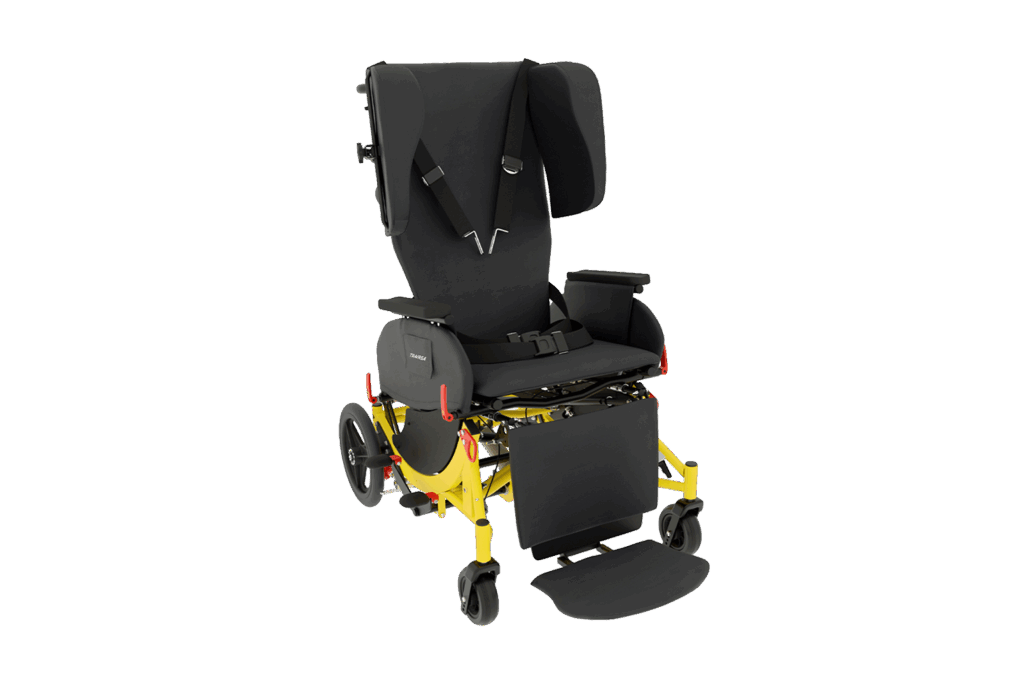
For example, Broda Seating introduced the "Traversa Wheelchair" in January 2025, which allows a single operator to safely transport both a wheelchair user and a stretcher-bound patient. This innovation highlights how NEMT services continue to evolve to meet diverse patient needs.

The cost difference is also a key factor, reflecting the equipment, staff expertise, and urgency involved. Refer to the chart for details on pricing and coverage. Choosing the right service ensures you receive the care you need while managing expenses effectively.

When to Use NEMT vs Ambulance Services

Choosing between Non-Emergency Medical Transportation (NEMT) and ambulance services depends on whether the situation is life-threatening or non-urgent. Here’s how to make the right call based on the circumstances.

When You Need an Ambulance

Ambulances are designed for urgent, life-threatening emergencies that require immediate medical attention and swift transport. If someone is experiencing conditions like cardiac arrest, a heart attack, or a stroke, calling 911 is essential. These scenarios demand quick action and advanced life-saving equipment, such as defibrillators and cardiac monitors, which ambulances are equipped with.

They are also critical for severe injuries, major trauma, or serious accidents. In these cases, the ability to provide stabilization and medical care during transport can be lifesaving. Any condition that poses an immediate threat to life falls under the scope of ambulance services. The combination of advanced equipment and highly trained personnel ensures rapid response and care when every second counts.

When You Need NEMT

On the other hand, NEMT services are ideal for non-urgent situations where patients need safe and reliable transportation to healthcare appointments. These services cater to individuals who are medically stable but may require special accommodations during transport.

One common use of NEMT is for dialysis appointments. Patients often feel fatigued after treatment, and NEMT vehicles can provide wheelchair access or more comfortable seating arrangements to meet their needs.

Similarly, NEMT is well-suited for scheduled outpatient procedures, such as surgeries or colonoscopies, where patients may be recovering from sedation and need a safe ride home.

Specialist visits, whether to see an oncologist, cardiologist, or orthopedic doctor, are another scenario where NEMT can help – especially for patients with mobility challenges that make traditional transportation difficult.

Hospital discharges often call for NEMT services as well. Patients who are medically stable but require wheelchair-accessible vehicles or stretcher transport can benefit from these specialized services, ensuring a smooth and safe transition from hospital to home.

Rehabilitation appointments, including physical therapy, occupational therapy, or speech therapy, are also a perfect match for NEMT. Patients managing chronic conditions or recovering from injuries can rely on consistent and secure transportation for their ongoing care.

In short, the key difference lies in urgency. If a person’s life is at risk or they need immediate medical assistance, an ambulance is the right choice. For stable individuals who need accessible transportation to medical appointments, NEMT provides a dependable solution.

Conclusion: Choosing the Right Transportation Service

Deciding between NEMT and ambulance services comes down to urgency. If a person’s life is in danger or immediate medical treatment is necessary, ambulances are equipped with advanced tools and highly trained personnel for emergency care. For non-urgent situations like scheduled doctor visits, hospital discharges, or rehabilitation appointments, NEMT offers a more comfortable and far less expensive alternative. This distinction is essential when planning transportation.

The financial impact of your choice is worth considering. Ambulance rides with life support average around $600 or more, and in major cities like Los Angeles or New York, costs can easily surpass $1,000. On the other hand, NEMT services are often comparable to taxi fares for short trips. Insurance coverage also varies: ambulance services are typically covered only when deemed medically necessary, while NEMT is often included under Medicaid and some Medicare plans for eligible individuals. Always check your insurance policy to understand your potential out-of-pocket expenses.

When selecting an NEMT provider, focus on safety and reliability. Look for companies with proper certifications like PASS (Passenger Assistance Safety Sensitivity). Many modern NEMT services use technology to improve efficiency, offering features like real-time tracking and streamlined scheduling, which enhance the overall experience and may reduce costs.

For those in Austin, Zyvra Mobility stands out with ADA-compliant vehicles, trained drivers, and advanced scheduling tools for medical appointments, hospital discharges, and rehabilitation sessions. Their HIPAA-compliant service includes wheelchair accessibility and real-time tracking, ensuring stress-free and reliable transportation for patients.

Ultimately, your decision should align with your medical needs, timing, and budget. In emergencies, call 911 immediately. For planned care, a dependable NEMT service can save money without compromising quality.

FAQs

What should I consider when choosing between NEMT and an ambulance for medical transportation?

When choosing between Non-Emergency Medical Transportation (NEMT) and an ambulance, the decision largely comes down to urgency and the level of medical care needed during the trip.

For non-urgent situations – like routine doctor visits or transporting someone who uses a wheelchair or stretcher – NEMT is often the more practical choice. It focuses on providing a comfortable and accessible ride without the high costs tied to emergency services. On the flip side, ambulances are critical in emergencies where immediate medical care, such as life support or advanced monitoring, is required.

Take into account factors like how quickly care is needed, the type of medical equipment necessary, and your budget to determine the best option for your circumstances.

What are the differences in insurance coverage between NEMT and ambulance services, and what should I review in my policy?

Insurance coverage for Non-Emergency Medical Transportation (NEMT) and ambulance services can differ widely, so it’s crucial to dive into the specifics of your health insurance policy. Generally, ambulance services are covered for emergencies, but NEMT coverage often hinges on factors like medical necessity or whether you’ve secured prior authorization.

Here’s what to focus on when reviewing your policy:

  • Coverage specifics: Does your plan include NEMT for routine medical visits, dialysis appointments, or other non-urgent needs?
  • Provider network: Are you required to use certain transportation providers to stay within your network?
  • Costs to you: What are the copayments, deductibles, or coinsurance amounts for these services?

Getting a clear understanding of these terms can help you plan ahead and minimize unexpected financial surprises.

What types of medical situations are ideal for NEMT services, and when should I use an ambulance instead?

Non-Emergency Medical Transportation (NEMT) is a practical solution for getting to routine healthcare appointments like doctor visits, physical therapy, specialist consultations, or dialysis. It’s especially helpful for patients who might need extra support, such as wheelchair or stretcher services, but don’t require urgent medical attention.

In contrast, ambulances are reserved for emergencies where immediate care is essential – think situations like a suspected stroke, heart attack, or a serious injury. Ambulances come equipped with life-saving tools and trained medical staff ready to provide critical care on the way to the hospital. When in doubt, always err on the side of caution and call 911 for emergencies.

Related Blog Posts

Share the Post:

Related Posts

Austin’s Premier NEMT

Quick Links

Coverage

© Zyrva Mobility LLC • All Rights Reserved