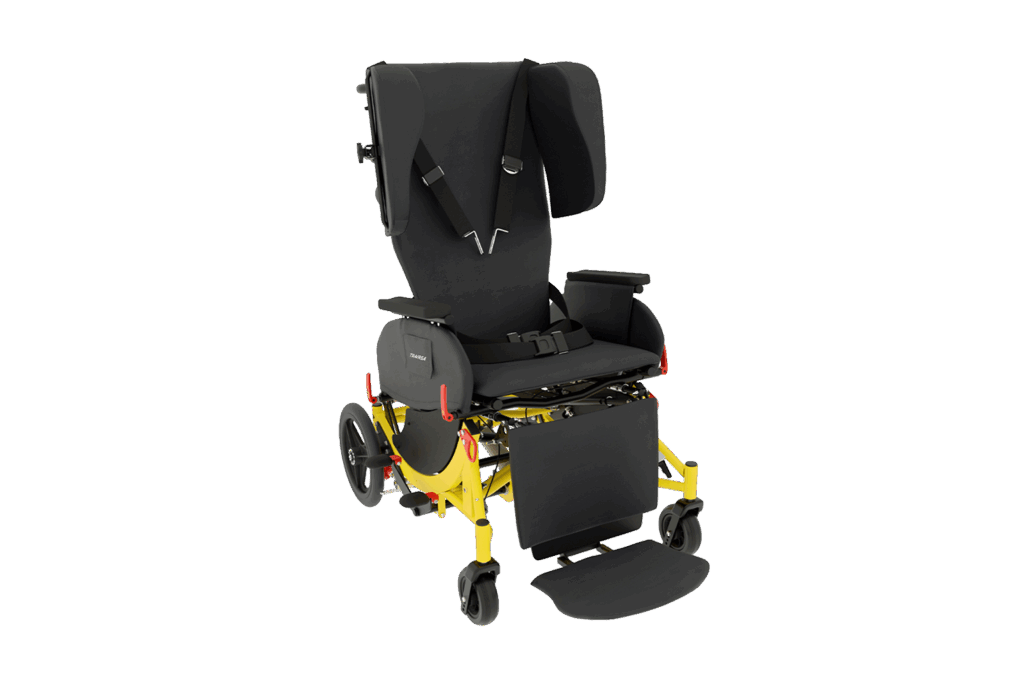
Transportation challenges often prevent patients from accessing healthcare, leading to missed appointments and delayed treatments. Non-emergency medical transportation (NEMT) services address this issue by offering safe, reliable, and accessible options tailored to patients’ medical needs. Here’s how NEMT makes a difference:
- Improved Access to Care: Provides transportation for routine checkups, specialist visits, and hospital discharges, especially for seniors and individuals with disabilities.
- Higher Appointment Attendance: Reduces missed appointments, improving treatment compliance and health outcomes.
- Fewer Emergencies: Encourages preventive care, helping to catch health issues early and avoid costly ER visits.
- Lower Healthcare Costs: Cuts expenses by reducing hospital readmissions and emergency interventions.
- Enhanced Patient Experience: Removes transportation stress, offering comfort, safety, and privacy.
- Support for Vulnerable Groups: Tailored options for underserved populations, including ADA-compliant vehicles for mobility challenges.
- Simplified Logistics: Advanced scheduling tools streamline coordination, ensuring timely and efficient care.
NEMT services are reshaping healthcare by breaking down transportation barriers, improving outcomes, and optimizing costs. They’re a practical, patient-focused solution for a more accessible healthcare system.
How to Get to Medical Appointments If You Don’t Drive Anymore | Senior Transportation Options
1. Better Access to Healthcare Services
Medical transportation services play a crucial role in bridging the gap between patients and the care they need. When transportation becomes dependable and accessible, it opens the door for patients to reach healthcare providers that were previously out of reach.
Accessibility for Mobility-Challenged Individuals
For individuals with mobility challenges, traditional transportation options often fall short. Limited wheelchair access and inadequate ADA features can make getting to medical appointments nearly impossible. Specialized medical transportation services address these issues with ADA-compliant vehicles equipped with wheelchair lifts, stretcher capabilities, and space for necessary medical equipment. These vehicles are designed to safely accommodate everything from standard wheelchairs to more complex mobility aids.
Drivers undergo specialized training to ensure a secure and respectful experience. They are skilled in securing wheelchairs, assisting with transfers, and managing medical equipment, making the journey safer and more comfortable. Additionally, modern tech solutions make scheduling and tracking these services much easier, further enhancing the experience for patients.
Technology and Service Features
The integration of advanced technology takes medical transportation to the next level. AI-powered scheduling and routing systems are designed to minimize wait times and ensure timely arrivals. Real-time tracking offers patients and healthcare providers the ability to monitor the vehicle’s progress, reducing uncertainty and improving coordination.
Privacy is a top priority, with HIPAA compliance ensuring that sensitive medical information remains secure throughout the transportation process. These services are also highly adaptable, accommodating a wide range of appointment types, from routine checkups to specialized treatments. This flexibility eliminates the need for patients to juggle multiple transportation options for different medical needs.
Impact on Healthcare Outcomes
Reliable transportation has a direct and meaningful impact on healthcare outcomes. By making it easier for patients to attend appointments, these services encourage preventive care and improve adherence to treatment plans. Consistent access to care allows for better health monitoring and earlier intervention when issues arise, which can make a significant difference in long-term health.
Patients who can depend on transportation are more likely to attend follow-ups, complete multi-session treatments like physical therapy or chemotherapy, and prioritize preventive care. This continuity not only improves individual health outcomes but also reduces the risk of complications down the line.
Healthcare providers benefit as well. With fewer no-shows and more consistent patient flow, medical facilities can operate more efficiently, allocate resources effectively, and ultimately provide a higher standard of care. Removing transportation barriers helps create a smoother, more reliable healthcare experience for everyone involved.
2. Higher Appointment Attendance and Treatment Compliance
Reliable transportation does more than just improve access – it plays a critical role in ensuring patients stick to their treatment plans. When patients have dependable rides, they’re far more likely to attend appointments and follow through with prescribed treatments. This consistency benefits not just individual health but also strengthens the overall healthcare system.
Impact on Healthcare Outcomes
Transportation challenges are a major reason patients miss appointments. Reliable transportation helps eliminate this barrier, ensuring patients show up on time. This is especially crucial for treatments that require multiple sessions, like physical therapy, dialysis, or chemotherapy. It’s also vital for managing chronic conditions, where regular check-ups and timely treatment adjustments can prevent complications. By keeping patients on track with their care, dependable transportation reduces the chances of emergencies caused by neglected health issues. Advanced scheduling systems further support this by making it easier to coordinate appointments and rides.
Technology and Service Features
Modern medical transportation services are equipped with advanced tools to streamline the process. AI-powered scheduling systems work with healthcare providers to optimize ride timing, and real-time tracking ensures patients and facilities stay informed. Additionally, these services use HIPAA-compliant systems to safeguard sensitive patient information, maintaining both efficiency and privacy.
Cost-Effectiveness for Patients and Healthcare Systems
Reliable transportation isn’t just about convenience – it’s also a smart financial move. When patients attend appointments as planned, it cuts down on the costs of rescheduling and helps healthcare facilities use their resources more effectively. Many insurance providers even cover medical transportation as part of preventive care. By reducing emergency room visits and hospital readmissions through timely and consistent care, dependable transportation contributes to a more cost-efficient healthcare system for everyone involved.
3. Fewer Health Complications and Emergency Room Visits
When patients have access to regular medical care thanks to dependable transportation, emergencies become less frequent. Preventive care and routine check-ups help catch potential health issues early, long before they escalate into serious problems requiring urgent intervention. This approach is key to managing chronic diseases more effectively.
Impact on Healthcare Outcomes
Reliable transportation plays a critical role in ensuring patients stick to their medical appointments, which in turn helps prevent complications. Missing routine care can lead to worsening health conditions. Take, for instance, a diabetic patient who skips regular check-ups – this could result in dangerously high blood sugar levels. Similarly, a heart disease patient who misses follow-ups might face avoidable cardiac events. Medical transportation services help break this cycle by making it easier for patients to attend their appointments consistently.
This is particularly vital for managing chronic conditions like diabetes, hypertension, or kidney disease. These patients rely on regular monitoring and timely medication adjustments. Reliable transport allows healthcare providers to identify early warning signs and tweak treatment plans as needed, reducing the risk of medical crises that could lead to emergency room visits.
Regular visits also improve how medications are managed. When patients show up for scheduled appointments, doctors can monitor for side effects, adjust dosages, and ensure treatments are working as intended. Without these check-ins, patients might unknowingly stick with ineffective treatments or become non-compliant, increasing the likelihood of emergencies.
Accessibility for Mobility-Challenged Individuals
For individuals with mobility challenges, missed medical care can increase the risk of health complications. Reliable medical transportation services provide safe and accessible options for wheelchair users, post-surgery patients, and others with limited mobility. By removing transportation barriers, these services encourage preventive care, such as screenings and follow-ups, which ultimately reduce the chances of emergency visits.
Cost-Effectiveness for Patients and Healthcare Systems
Preventing emergency room visits by ensuring access to routine care isn’t just better for health – it’s also far more cost-effective. Emergency interventions are significantly more expensive than preventive appointments, benefiting both patients and the broader healthcare system.
Technology and Service Features
Modern medical transportation services leverage advanced scheduling tools that sync with healthcare providers. These systems ensure patients can reliably attend their appointments, minimizing the risk of complications that arise from missed care. This integration helps create a smoother, more efficient healthcare experience for everyone involved.
4. Lower Costs for Healthcare Systems
Medical transportation services play a crucial role in cutting healthcare costs by ensuring patients have dependable access to routine care. By improving appointment attendance, these services help reduce the financial strain on hospitals, insurance providers, and healthcare facilities. For patients, this translates to more affordable care. When more patients make it to their appointments, the result is a healthcare system that operates more efficiently and cost-effectively.
Impact on Healthcare Outcomes
Reducing costs does more than ease financial burdens – it also improves clinical outcomes. Reliable transportation ensures patients can attend follow-up appointments after hospital stays, which helps lower readmission rates. This, in turn, cuts down on uncompensated care expenses. Routine visits also allow for better medication management, helping to prevent costly emergencies caused by medication-related issues.
Technology and Service Features
Modern medical transportation services leverage advanced technology to maximize efficiency and minimize expenses. For example, AI-powered scheduling and routing tools help drivers take the most efficient routes, saving fuel and time. Real-time tracking systems make it easier for healthcare facilities to manage patient flow, while ADA-compliant vehicles remove the need for facilities to maintain their own specialized fleets. This allows healthcare providers to focus their budgets on patient care rather than logistics. Additionally, integrating scheduling systems with electronic health records simplifies administrative tasks, leading to significant savings in labor costs.
Zyvra Mobility combines cutting-edge technology with exceptional service to lower system costs while improving patient care.
sbb-itb-8e5d2ef
5. Better Patient Satisfaction and Healthcare Experience
Medical transportation services have reshaped how patients navigate their healthcare journeys by removing the stress of logistics. When patients can count on reliable transportation, they’re free to focus on their health instead of worrying about how to get to their appointments. This sense of security creates a more relaxed and confident healthcare experience, boosting overall satisfaction.
Accessibility for Mobility-Challenged Individuals
For patients with mobility challenges, specialized medical transportation services are a game-changer. Drivers trained to assist these individuals ensure they feel at ease during the ride, providing a level of care that goes beyond just getting from point A to point B. By eliminating barriers that often lead to frustration or delays, these services make the entire process more seamless and satisfying.
Technology and Service Features
Technology plays a big role in enhancing patient satisfaction. Features like real-time tracking and efficient scheduling help reduce wait times and ease the anxiety of running late. Patients can arrive at their appointments on time without the added stress of dealing with traffic or parking.
Another important aspect is HIPAA compliance, which ensures that patients’ medical information and transportation needs are handled with the utmost confidentiality. Professional drivers are trained to respect the privacy and sensitivity of medical appointments, creating an environment of trust and comfort.
Zyvra Mobility takes patient care a step further with thoughtful features like priority scheduling for urgent appointments and specialized equipment tailored to different medical needs. These elements combine to provide a hassle-free experience, allowing patients to concentrate on their health and recovery without worrying about transportation challenges.
6. Support for At-Risk and Underserved Populations
For vulnerable communities, medical transportation isn’t just a convenience – it’s a necessity. Many seniors and individuals with disabilities face significant barriers when it comes to traditional transportation options, leaving gaps in their ability to access essential medical care. Providing accessible and tailored transportation solutions helps address these challenges head-on.
Accessibility for Mobility-Challenged Individuals
For seniors and people with disabilities, ADA-compliant vehicles are a game-changer. Features like wheelchair lifts and secure tie-downs ensure safe and respectful transport, making medical appointments more accessible.
Impact on Healthcare Outcomes
Reliable transportation has a direct impact on health outcomes. For patients managing chronic conditions like diabetes or heart disease, consistent access to healthcare services is critical. Routine monitoring and treatment help prevent complications and reduce the likelihood of emergency interventions. By ensuring regular care, these services empower patients to better manage their health and avoid unnecessary crises.
Cost-Effectiveness for Patients and Healthcare Systems
Timely transportation doesn’t just improve health – it also saves money. When patients can access routine and preventive care, they’re less likely to rely on costly emergency services. This benefits both individuals and the broader healthcare system by reducing expenses and promoting continuity of care.
Technology and Service Features
Modern medical transportation services use technology to enhance the experience for at-risk populations. Real-time tracking provides peace of mind for caregivers and families, while advanced scheduling systems make it easier to coordinate complex medical appointments. Companies like Zyvra Mobility go a step further with priority scheduling and vehicles equipped to handle a variety of medical needs, all while maintaining HIPAA-compliant standards to protect patient privacy.
7. Simpler Healthcare Coordination and Logistics
Managing healthcare appointments, treatments, and follow-up visits can feel like a juggling act – especially when transportation becomes a barrier. Medical transportation services simplify this process, making it easier for patients, families, and healthcare providers to stay on the same page. By addressing logistical challenges, these services help ensure patients receive consistent care, ultimately leading to better health outcomes.
Technology and Service Features
Modern medical transportation services are powered by technology designed to make life easier for everyone involved. Advanced scheduling systems now integrate directly with healthcare appointment tools, creating a seamless process for coordinating rides. Real-time tracking features let patients know exactly when their ride will arrive, reducing stress and uncertainty.
AI-driven routing software takes things a step further by optimizing travel routes. It accounts for traffic, construction, and even multiple stops for patients who need to visit several specialists in one day. This ensures timely arrivals and minimizes travel time, making the process efficient and hassle-free.
Secure communication systems also play a big role. These tools allow transportation providers to share necessary information with healthcare facilities while keeping patient data private. Drivers can be informed of specific patient needs – like mobility assistance – without compromising confidentiality.
Impact on Healthcare Outcomes
When transportation is reliable, patients are more likely to stick to their treatment plans. Regular attendance at appointments for managing chronic conditions, physical therapy, or preventive care becomes much more achievable. This consistency is key for maintaining health and avoiding complications that could lead to more intensive treatments.
For patients undergoing complex treatments like cancer therapy or cardiac rehabilitation, dependable transportation ensures they can complete their entire treatment cycles without interruptions. This continuity is critical for achieving the best possible outcomes and avoiding setbacks.
Healthcare providers also benefit from improved logistics. Fewer no-shows and last-minute cancellations mean medical facilities can run more efficiently, reducing wait times and optimizing schedules. This not only improves the patient experience but also eases the administrative workload and lowers costs.
Cost-Effectiveness for Patients and Healthcare Systems
Streamlined transportation services aren’t just convenient – they’re cost-effective. Automated scheduling and dedicated booking portals cut down on administrative time, reduce rescheduling costs, and make better use of resources for both patients and healthcare providers.
For example, healthcare facilities using dedicated booking portals can simplify the referral process. Instead of leaving patients to figure out their own transportation – risking missed appointments – these systems ensure smooth transitions between inpatient and outpatient care or between different treatment locations.
Consistent attendance at scheduled appointments also helps healthcare systems save money. It reduces costs tied to rescheduling, emergency interventions, and prolonged treatment plans. Companies like Zyvra Mobility offer specialized programs for healthcare providers, integrating booking solutions directly into existing workflows. This makes coordination easier while ensuring patients get where they need to be, right on time.
Comparison Table
Here’s a closer look at different transportation options, highlighting how specialized medical services excel in accessibility, cost efficiency, and safety.
| Transportation Type | Cost Per Trip | Accessibility Features | Healthcare-Specific Benefits | Driver Training |
|---|---|---|---|---|
| Public Transit | $1.25 – $3.50 | Limited wheelchair access; no stretcher capability | None | Basic transit training |
| Standard Taxi | $15 – $40 | Minimal accessibility; no medical equipment | None | Commercial driving license |
| Rideshare (Uber/Lyft) | $8 – $35 | Limited wheelchair options | None | Background check only |
| NEMT Ambulatory | $30 – $60 | ADA compliant, optimized for appointment scheduling | Real-time tracking and appointment coordination | Medical transport certification |
| NEMT Wheelchair | $50 – $150 | Fully equipped for safe mobility | HIPAA compliance; healthcare integration | Specialized mobility training |
| NEMT Stretcher | $100 – $400 | Stretcher transport; medical monitoring capability | Direct coordination with healthcare facilities and discharge support | Medical transport and safety protocols |
This table clearly demonstrates why Non-Emergency Medical Transportation (NEMT) stands out when it comes to timely, safe, and cost-effective healthcare coordination.
Why NEMT Leads the Way
When comparing costs, NEMT services are a small fraction of overall healthcare spending – typically less than 1%. Despite this, they play a crucial role in ensuring that patients can access care when they need it. For example, a Medicare Accountable Care Organization found that its NEMT program cost roughly $500 per person annually, an investment that delivers significant healthcare benefits.
Public transit, taxis, and rideshares fall short in meeting the needs of patients with medical requirements. Public transit may offer limited wheelchair access, but it lacks the equipment and trained personnel to assist patients with mobility challenges. Similarly, taxis and rideshare services are not equipped or reliable enough for medical appointments, as they lack features like medical equipment, punctuality, and trained drivers.
On the other hand, NEMT services fill these gaps with features like ADA-compliant vehicles and drivers trained in patient assistance, medical equipment handling, and HIPAA compliance. Advanced technology, such as AI-powered scheduling and real-time tracking, ensures seamless coordination of multiple appointments while optimizing routes based on traffic and patient needs.
Cost-Effectiveness and Advanced Coordination
Incorporating NEMT into healthcare management strategies can lead to noticeable cost savings. By ensuring patients attend preventive care appointments and follow their treatment plans, NEMT services contribute to better health outcomes while reducing overall healthcare expenses. For example, Zyvra Mobility’s Partner Program integrates directly with healthcare facilities through a streamlined booking portal and real-time tracking, making care coordination even more efficient.
For patients requiring specialized transport, the cost advantages of NEMT become even more apparent. NEMT stretcher services, costing between $100 and $400 per trip, are far more affordable than emergency medical services for Advanced Life Support, which range from $600 to $1,200 per trip. This highlights the value of NEMT for non-emergency situations requiring medical equipment and trained personnel.
While rideshare apps offer basic tracking features, NEMT providers take it a step further with AI-powered tools that optimize routes, account for traffic, and manage multiple appointments. These capabilities ensure efficient care coordination for patients with complex medical needs, making NEMT an essential part of modern healthcare logistics.
Conclusion
Medical transportation services have become a crucial part of today’s healthcare system, offering benefits that extend beyond just getting patients from one place to another.
These services not only improve care for individuals but also help the overall system operate more smoothly. By filling critical gaps in healthcare access, they ensure patients receive timely care while supporting better coordination across providers.
Non-Emergency Medical Transportation (NEMT) stands out with its focus on safety and reliability, thanks to its specialized vehicles and trained staff. Incorporating advanced technologies has further improved efficiency, especially as the aging population grows and demands for these services increase. Together, these elements create a healthcare system that’s more responsive to patient needs.
FAQs
How do Non-Emergency Medical Transportation (NEMT) services protect patient privacy and secure their information during trips?
When it comes to Non-Emergency Medical Transportation (NEMT) services, patient privacy and security are top priorities. These providers strictly follow HIPAA regulations, ensuring that all personal and medical information shared during booking or transport is handled with the utmost care and protection.
To maintain this level of confidentiality, drivers and staff undergo training focused on discretion and professionalism. This ensures that sensitive information is never disclosed unnecessarily. On top of that, many NEMT providers rely on advanced digital systems to keep records and communications secure, adding an extra layer of protection to safeguard patient data at every step.
How can NEMT services help save money compared to other transportation options for medical appointments?
Non-emergency medical transportation (NEMT) services can be a more affordable option compared to traditional transportation methods. In fact, depending on factors like where you live and your specific medical needs, these services can cut transportation costs by 30% to 70%.
By using strategies like shared rides, efficient route planning, and vehicles equipped for specialized needs, NEMT provides a dependable and budget-friendly way for patients to get to their appointments. It’s an excellent choice for those who require frequent medical visits or need transportation tailored to their mobility challenges – all without sacrificing safety or comfort.
How do advanced technologies like AI scheduling and real-time tracking improve the efficiency and reliability of non-emergency medical transportation (NEMT) services?
Advanced tools like AI-driven scheduling and real-time tracking are transforming the way NEMT services operate, making them more efficient and dependable. AI scheduling works by optimizing routes, cutting down wait times, and ensuring vehicles arrive on time – even during busy periods. This means patients can reach their appointments without frustrating delays.
Meanwhile, real-time tracking allows patients and caregivers to follow vehicle locations live, offering reassurance and improving communication. These advancements don’t just make trips smoother – they also help transportation providers deliver more reliable, well-organized services that cater to the specific needs of each individual.