Non-Emergency Medical Transportation (NEMT) helps people get to medical appointments when they cannot travel on their own. This service is designed for non-urgent trips, like therapy, dialysis, or pharmacy visits, and is often used by seniors, individuals with disabilities, low-income families, and patients undergoing treatments. Unlike ambulances, NEMT is scheduled in advance and focuses on safe, affordable rides without emergency medical care.
Key highlights:
- Who uses it? Seniors, wheelchair users, low-income families, and patients needing regular care.
- Types of services: Ambulatory rides, wheelchair-accessible vehicles, and stretcher transport.
- How to book: Schedule in advance via phone, online, or apps, with Medicaid and some Medicare plans covering eligible trips.
- Why it matters: Millions miss medical care annually due to transportation issues. NEMT ensures access to routine and preventive healthcare.
NEMT bridges gaps in transportation, ensuring people can maintain their health without worrying about how to get to their appointments.
Non-Emergency Medical Transportation Defined
What NEMT Is and Its Purpose
Non-Emergency Medical Transportation (NEMT) provides a reliable way for patients to attend routine medical appointments when driving themselves or using public transportation isn’t an option. Services include wheelchair-accessible vans, stretcher transport, and standard vehicles, all designed to meet strict safety and ADA requirements. Trained drivers ensure patients safely reach destinations like medical offices, pharmacies, dialysis centers, and therapy appointments.
NEMT’s primary goal is to remove obstacles that prevent people from accessing healthcare. For many, physical disabilities, lack of a personal vehicle, or medical conditions make traveling independently difficult. By offering door-to-door service tailored to individual needs, NEMT bridges this gap. This personalized approach highlights a key difference between NEMT and emergency transport, which we’ll explore next.
How NEMT Differs from Emergency Medical Transportation
Unlike emergency services, NEMT operates on a scheduled, non-urgent basis. Emergency Medical Services (EMS) are designed to handle life-threatening situations, with paramedics and advanced medical equipment providing immediate care en route to the hospital.
In contrast, NEMT focuses on pre-arranged rides for routine appointments. Drivers are trained in basic first aid rather than advanced medical procedures, and vehicles may carry minimal medical supplies but lack the intensive care equipment found in ambulances.
Cost is another major distinction. Ambulance rides are more expensive due to the urgency and medical care provided during emergencies, while NEMT is structured to be a more budget-friendly option for non-urgent transportation. Insurance coverage also differs – Medicaid and Medicare often cover NEMT for eligible patients when the service is deemed medically necessary.
Who Uses NEMT Services
A wide range of individuals rely on NEMT to access healthcare:
- Seniors: Many elderly patients no longer drive due to vision impairments, mobility issues, or other health concerns. NEMT helps them attend doctor visits, physical therapy, and pharmacy trips.
- Individuals with disabilities: This group includes wheelchair users, post-surgery patients, and those managing chronic conditions like kidney disease, which require regular dialysis. Veterans, particularly those in rural areas receiving care at VA medical centers, also benefit.
- Low-income families: For families without reliable transportation, NEMT ensures they can maintain medical routines. Parents often use these services to take children to specialist appointments.
- Patients undergoing treatments: People receiving chemotherapy, dialysis, or other treatments that impair their ability to drive depend on NEMT. Medications causing drowsiness or other side effects also make NEMT a safe choice.
- Mental health patients: Those traveling to counseling or psychiatric appointments often rely on NEMT for its consistency and accessibility.
NEMT plays a crucial role in ensuring healthcare access for these groups. Its reliability and tailored services make it indispensable, particularly for those facing transportation challenges. Further details on booking, eligibility, and insurance coverage delve deeper into how NEMT supports patients in need.
What Is Non-emergency Medical Transportation (NEMT)? – CountyOffice.org
Types of NEMT Services Available
Non-Emergency Medical Transportation (NEMT) providers cater to a wide range of needs, offering three primary types of services tailored to different medical and mobility requirements.
Transportation for Walking Patients
For individuals who can walk independently but need reliable transportation to medical appointments, ambulatory transportation is the go-to option. These services typically use standard sedans, SUVs, or minivans equipped with safety features like seat belts and comfortable seating.
Two service options are commonly available: door-to-door and curb-to-curb. Door-to-door service ensures patients are assisted from their home entrance to the facility, making it especially helpful for older adults or those who may find stairs and doorways challenging. On the other hand, curb-to-curb service provides pickup and drop-off at the curb, offering a quicker and more straightforward option for those with fewer mobility issues.
Drivers are trained to provide assistance when needed, including securing mobility aids. For individuals with more complex mobility needs, NEMT offers vehicles specifically designed to accommodate those challenges.
Wheelchair-Accessible Vehicle Services
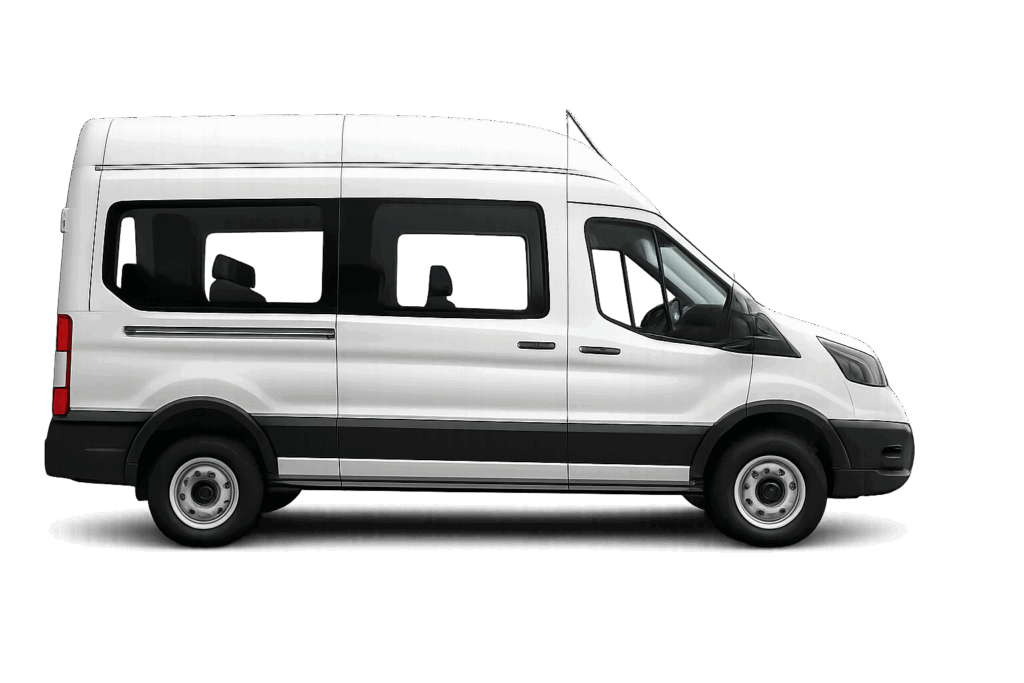
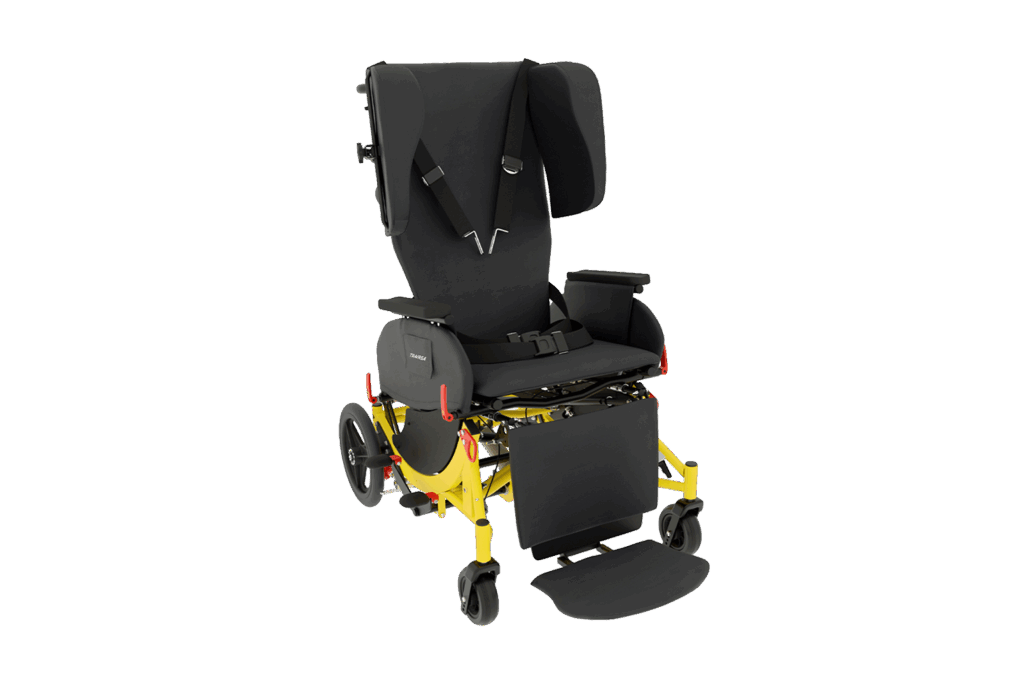
For wheelchair users, NEMT provides specialized vans equipped with hydraulic lifts or ramps, ensuring safe boarding and compliance with the Americans with Disabilities Act (ADA). These vehicles are designed with ample space for wheelchairs to move and include tie-down systems to keep them secure during the ride.
Whether the user has a manual wheelchair, an electric wheelchair, or a mobility scooter, these vehicles can accommodate varying sizes and weights. Those using power wheelchairs may require vehicles with reinforced features to support heavier equipment.
Some wheelchair-accessible vehicles are even configured to transport multiple wheelchair users at once, making them ideal for group appointments or shared rides to the same destination. This approach helps bridge transportation gaps and ensures accessibility for all.
Stretcher and Bariatric Transport Services
For patients with severe mobility limitations or specific medical needs, NEMT offers stretcher and bariatric transport services. Stretcher transport is designed for individuals who cannot sit upright due to recent surgeries, medical conditions, or significant mobility challenges. These vehicles are equipped with secure storage for medical equipment like oxygen tanks and IV poles, and drivers are trained to monitor patients throughout the trip.
Bariatric transport services cater to patients with higher weight requirements. These vehicles are built with reinforced features, including extra-wide stretchers, stronger loading mechanisms, and enhanced suspension systems to ensure safety and comfort during transport.
Choosing the right NEMT service depends on a thorough medical assessment and the patient’s specific mobility needs. Healthcare providers typically document the required level of assistance, ensuring patients receive transportation that aligns with their medical and physical conditions. NEMT providers are well-prepared to handle diverse needs, accommodating a variety of mobility aids and medical equipment.
How to Book and Use NEMT Services
Booking and utilizing Non-Emergency Medical Transportation (NEMT) services plays a key role in ensuring you get the care you need. By understanding how to schedule a ride, verify your eligibility, and know what to expect during transport, you can make the entire process much smoother.
Scheduling Your NEMT Ride
To secure your transportation, it’s best to book your ride ahead of time. You can schedule through various methods – by phone, online, or using a mobile app. When making your reservation, be ready to provide key details like your pickup and drop-off addresses, appointment time, and any special mobility or equipment needs.
NEMT services offer flexibility with both one-way and round-trip options. For routine appointments like dialysis or physical therapy, round-trip bookings are common. On the other hand, one-way trips are often arranged for hospital discharges when family members can handle your return. Most providers recommend scheduling your ride at least 24 to 48 hours in advance, especially if you require specialized vehicles. This proactive approach also helps streamline the eligibility verification process.
Eligibility Verification Process
After scheduling, your eligibility for NEMT services will be verified. This step is particularly important for Medicaid-covered rides. To qualify, you generally need to be an active Medicaid member with State Plan coverage on the date of service. Additionally, you must show that you lack access to other transportation options and have physical or cognitive challenges that prevent you from traveling independently.
Eligibility checks also confirm that your appointment is with a Medicaid-approved provider for a medically necessary, non-emergency service. However, certain Medicaid benefit plans – like Qualified Medicaid Beneficiary (QMB) Only, Special Low-Income Medicare Beneficiary (SLMB) Only, and Medicare Qualifying Individual-1 (QI-1) – may not cover NEMT services. In some cases, your healthcare provider may need to supply documentation of your mobility limitations and transportation needs to determine the level of service you require.
Driver Qualifications and Safety Standards
NEMT drivers undergo rigorous screening and training to prioritize passenger safety. They must hold a valid driver’s license and maintain a clean driving record, typically free of violations for 3 to 5 years. Common requirements include being at least 21 years old, passing background checks and drug screenings, and meeting physical fitness standards to assist passengers and handle mobility equipment.
Drivers are trained to operate wheelchair lifts, ramps, and safety equipment, as well as to assist passengers during transit safely. They also learn to perform routine vehicle safety checks and identify mechanical issues before they become risks. In some states, drivers must pass medical exams to ensure they can meet the physical demands of assisting passengers with varying mobility challenges.
Qualifications can vary by state, with some requiring specific licenses or medical certifications. For instance, a Commercial Driver’s License (CDL) may be mandatory depending on the vehicle size and number of passengers. This thorough training ensures your NEMT driver is equipped to provide safe, professional transportation while accommodating your medical and mobility needs.
sbb-itb-8e5d2ef
NEMT Eligibility and Insurance Coverage
This section dives into who qualifies for Non-Emergency Medical Transportation (NEMT) and how insurance can help cover these services. With nearly four million Americans missing or delaying medical care each year due to a lack of transportation, understanding eligibility and coverage options is critical.
Medicaid and Medicare Coverage Options

Federal rules require state Medicaid programs to provide transportation to and from healthcare providers for eligible individuals. This is outlined in each state’s Medicaid plan. Medicaid members who lack other transportation options can access this benefit, and anyone receiving Early and Periodic Screening, Diagnostic and Treatment (EPSDT) services is automatically entitled to transportation assistance.
Traditional Medicare (Parts A and B) only covers emergency ambulance services, not routine NEMT rides. However, many Medicare Advantage plans offer NEMT as an added benefit. Medicare Part B may cover NEMT if it is considered "medically necessary" and accompanied by a doctor’s written order for treatment or diagnosis.
"Transportation is inexpensive compared to the high and rapidly growing cost of healthcare, making it more cost-effective to transport a member to preventative care rather than waiting for a serious health condition to arise." – MTM Health
Keep in mind, eligibility for these services can vary depending on where you live.
State Requirements and Eligibility Rules
Each state sets its own rules for Medicaid NEMT eligibility, including who qualifies, what services are covered, and how they are provided. Generally, to qualify for Medicaid NEMT, you must:
- Be an active Medicaid member with State Plan coverage.
- Lack access to other transportation options.
- Have physical or cognitive challenges that prevent independent travel.
For the most accurate information, check your state’s Medicaid program website or contact your local Medicaid office.
Medicare Advantage NEMT benefits depend on the specific plan you’re enrolled in. Review your plan documents or reach out to your insurance provider to learn more about the transportation services available to you.
Medical Appointments That Qualify for Coverage
Transportation coverage under Medicaid and Medicare is typically limited to essential medical appointments, though the specifics can vary. Medicaid often covers trips to:
- Doctor visits
- Therapy sessions
- Dialysis treatments
- Physical therapy
- Behavioral health appointments
These services must be considered "medically necessary" or "needed medical care". In many cases, a Physician Certification Statement or a doctor’s written order is required to confirm the need for specialized transportation.
Recurring treatments like dialysis or chemotherapy are usually eligible for regular NEMT services [12]. Transportation for hospital discharges is also commonly covered [12]. Some programs, like L.A. Care’s Non-Medical Transportation benefit for Medi-Cal and Medicare Plus members, even cover trips to pick up prescriptions (if mailing isn’t an option) or to collect medical supplies, prosthetics, or orthotics.
Medicare Advantage plans that include NEMT benefits often cover rides for doctor’s appointments, pharmacy visits, and preventive care.
The Importance of NEMT for Healthcare Access
NEMT (Non-Emergency Medical Transportation) plays a vital role in bridging the gap between patients and the healthcare services they rely on. For individuals in rural areas or those with limited resources, having dependable transportation can make all the difference – turning potential health challenges into opportunities for timely care.
Addressing Transportation Barriers in Healthcare
Transportation issues are a significant hurdle for many when it comes to accessing medical care. Missed or delayed appointments often stem from a simple yet critical problem: a lack of reliable transportation. This issue affects people in both urban and rural areas, where healthcare facilities can be far from home and difficult to reach.
For those on fixed incomes, transportation costs can become a tough choice, competing with other essential expenses like food or housing. NEMT services help alleviate this burden by offering transportation solutions, often supported by government programs, that ensure patients can get to their appointments without added financial stress.
Geographic isolation and long travel distances also create challenges, particularly for those requiring regular treatments. Severe weather can further complicate travel, but NEMT drivers, trained to handle such conditions, make sure patients arrive safely and on time.
Improving Health Outcomes Through Reliable Transportation
Access to consistent transportation directly impacts health outcomes by enabling patients to attend regular medical appointments. This consistency is crucial for managing chronic conditions, adhering to medication schedules, and catching potential health issues early.
NEMT services also make preventive care more accessible, helping patients attend screenings, vaccinations, and wellness visits. Early detection of health problems often leads to more effective treatment and can reduce overall healthcare costs by minimizing the need for emergency interventions. Mental health care benefits as well, with reliable transportation allowing patients to stay engaged with therapy, psychiatric care, and support groups – key components of mental well-being.
Meeting the Needs of Elderly and Disabled Patients
For elderly and disabled individuals, transportation can be a significant obstacle. Many are unable to drive, and public transit often doesn’t meet their specific needs. NEMT services address this by providing ADA-compliant vehicles equipped with wheelchair lifts, securement systems, and other specialized features that ensure safe and comfortable travel.
Patients with cognitive impairments or other disabilities also benefit from the compassionate care of trained NEMT drivers, who understand how to assist individuals requiring extra support. Flexible scheduling options further ensure that transportation is never a barrier to care.
In rural or isolated areas, regular access to NEMT services allows elderly and disabled patients to maintain their independence while staying connected to essential healthcare. This ongoing support underscores the critical role NEMT plays in making healthcare accessible for everyone.
Conclusion: NEMT’s Role in Modern Healthcare
Non-Emergency Medical Transportation (NEMT) plays a crucial role in the American healthcare system, bridging the gap for those who struggle with mobility challenges. From ambulatory rides to specialized wheelchair and stretcher transport, NEMT ensures patients can access timely and preventive care, tailored to their individual needs.
Government programs help make these services accessible to vulnerable populations, addressing significant transportation hurdles. By removing these obstacles, NEMT not only helps patients get the care they need but also promotes better health outcomes and supports greater independence. This can even lead to reduced overall healthcare costs by preventing delays in care.
For those considering NEMT services, selecting a dependable provider is essential. In Austin, Texas, for example, a standout provider offers ADA-compliant vehicles, skilled drivers, and advanced scheduling tools, setting a high bar for service quality. Their dedication reflects the evolving expectations of modern healthcare.
As healthcare systems progress, NEMT will remain a key resource, ensuring transportation is never a barrier to care. With specialized vehicles, trained professionals, and accessible insurance coverage, NEMT continues to provide a vital safety net for some of the most vulnerable members of our communities, helping them maintain both health and independence.
FAQs
Am I eligible for Non-Emergency Medical Transportation (NEMT) through Medicaid or Medicare?
Eligibility for Non-Emergency Medical Transportation (NEMT) services generally hinges on being enrolled in Medicaid and not having access to dependable transportation. In some cases, Medicare recipients might also qualify, but this is often restricted to certain programs like the Qualified Medicare Beneficiary (QMB) or Special Low-Income Medicare Beneficiary (SLMB) programs.
If you’re uncertain about whether you qualify, reach out to your Medicaid or Medicare provider. They can review your healthcare plan and personal situation to help you understand your options.
What types of vehicles and accommodations are available through Non-Emergency Medical Transportation (NEMT) services?
NEMT services provide a range of vehicle options to cater to individuals with varying mobility needs, ensuring everyone has access to reliable transportation. These options include:
- Standard sedans or minivans: Ideal for individuals who can walk independently or require only minimal assistance.
- Wheelchair-accessible vehicles: Outfitted with ramps or lifts to allow safe and convenient boarding for wheelchair users.
- Stretcher transport vehicles: Specifically designed for patients who need to remain lying down throughout the journey.
By focusing on safety, comfort, and accessibility, these services help patients attend medical appointments, therapy sessions, or pick up prescriptions without the stress of transportation barriers.
How affordable is Non-Emergency Medical Transportation compared to other options for getting to medical appointments?
The price of Non-Emergency Medical Transportation (NEMT) depends on several factors, including the distance traveled, the type of service required, and specific accommodations like wheelchair accessibility or stretcher transport. While NEMT services may cost more than public transit or rideshare options, they are specifically designed to ensure a safe, dependable, and accessible experience for individuals with medical or mobility needs.
For those who qualify, programs like Medicaid and some private insurance plans can help cover NEMT expenses, making it a more budget-friendly option for eligible individuals. Be sure to confirm with your provider to understand what’s covered and any potential out-of-pocket costs.