How to Choose Medical Transport Services

Learn how to select reliable Non-Emergency Medical Transportation services, ensuring safe and timely access to healthcare appointments.

Accessing healthcare often depends on reliable transportation, especially for those who can’t drive or lack dependable options. Non-Emergency Medical Transportation (NEMT) bridges this gap, ensuring that individuals – like seniors, patients with disabilities, or those managing chronic illnesses – get to their medical appointments safely and on time. Here’s what you need to know:

  • NEMT vs. Emergency Transport: NEMT is for scheduled, non-urgent trips, while emergency transport handles critical, life-threatening situations.
  • Key Factors When Choosing NEMT: Focus on safety standards, ADA-compliant vehicles, on-time reliability, specialized transport options, and trained, professional drivers.
  • Insurance Coverage: Many insurance plans, including Medicaid and Medicare, cover NEMT services when medically necessary.

For Austin residents, providers like Zyvra Mobility offer tailored, dependable services with a focus on safety, punctuality, and patient care. Choosing the right NEMT provider ensures a smoother healthcare journey.

What Is Non-Emergency Medical Transportation (NEMT)?

Non-Emergency Medical Transportation (NEMT) provides scheduled transportation for individuals who need assistance getting to routine medical appointments. Unlike ambulances that handle emergencies, NEMT focuses on planned, non-urgent trips to ensure people can access healthcare services without disruption.

This service is an essential part of the U.S. healthcare system, offering vehicles equipped to meet a variety of mobility needs. Let’s take a closer look at who benefits most from NEMT and how it works.

NEMT Definition and Common Users

NEMT refers to any pre-arranged transportation service that helps people reach medical facilities. These services often include assistance with boarding and managing mobility equipment, ensuring a safe and comfortable journey.

The primary users of NEMT include:

  • Seniors: Older adults, especially those over 65, often rely on NEMT. Many face challenges like vision impairments, physical limitations, or medication side effects that prevent them from driving. NEMT helps them attend specialist visits, physical therapy, and routine check-ups, enabling them to maintain their independence.
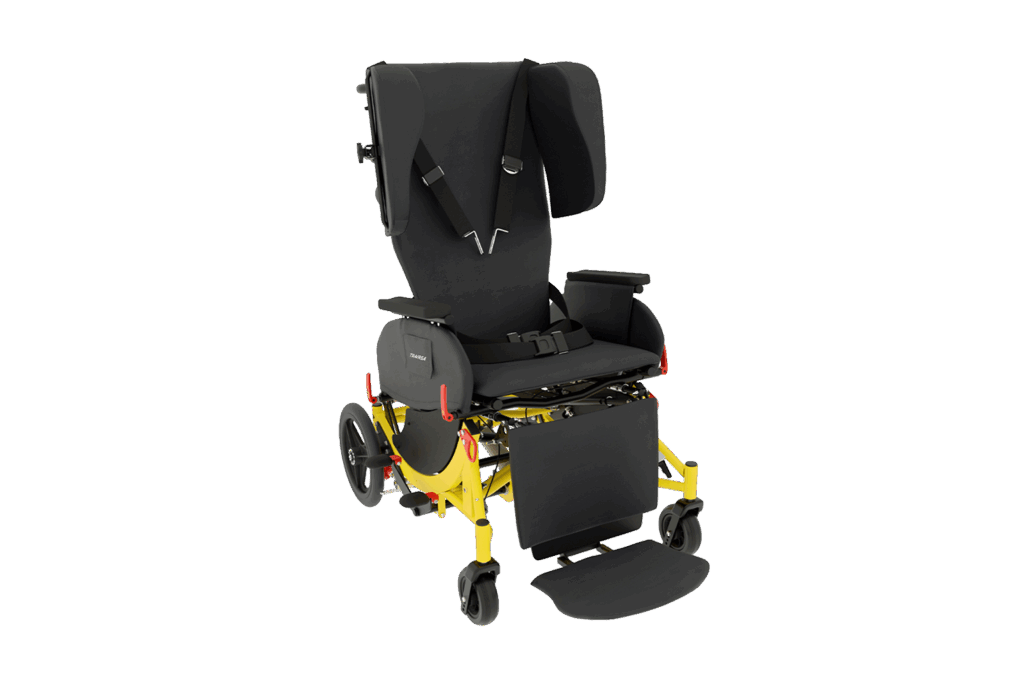
  • Individuals with disabilities: This group includes those who use wheelchairs, walkers, or other mobility aids. NEMT vehicles are equipped with features like wheelchair lifts, secure tie-down systems, and additional space to accommodate these devices safely.
  • Patients with chronic conditions: People managing long-term health issues, such as those undergoing dialysis, chemotherapy, or regular diabetes monitoring, often depend on NEMT for consistent access to care.
  • Low-income individuals: Medicaid recipients frequently use NEMT, as states require Medicaid to cover transportation to medical services. This ensures that financial barriers don’t prevent access to essential healthcare.

By addressing the specific needs of these groups, NEMT bridges the gap between healthcare access and transportation limitations.

Emergency vs. Non-Emergency Medical Transport

Knowing the difference between emergency and non-emergency medical transport is crucial when deciding which service to use.

Emergency Medical Transport is designed for urgent, life-threatening situations. Ambulances are staffed with paramedics or emergency medical technicians (EMTs) who provide immediate medical care during transport. These vehicles respond to 911 calls for conditions like heart attacks, strokes, or severe injuries. Speed is critical, and ambulances often use sirens and lights to navigate traffic quickly.

Non-Emergency Medical Transport, on the other hand, caters to patients who are medically stable but need help getting to scheduled appointments. NEMT drivers are trained in basic first aid and passenger assistance but don’t provide medical treatment during the ride. The focus is on comfort, safety, and reliability.

Here’s a quick comparison:

Emergency Transport Non-Emergency Transport
For critical cases For routine appointments
Immediate medical care provided Basic support during transport
Responds to 911 calls Requires advance booking
Uses sirens and emergency response Follows standard traffic rules
Transports to emergency departments Serves various medical facilities

In short, if you’re facing a serious medical emergency – like chest pain, difficulty breathing, or a severe injury – call 911 for emergency transport. But if you need to get to a scheduled doctor’s appointment, physical therapy, or dialysis, NEMT is the better option.

NEMT also offers a more personalized experience. Drivers often build relationships with regular passengers, learning their preferences and needs. This familiarity can make trips less stressful for patients who are already dealing with health challenges.

Most insurance plans, including Medicare and Medicaid, cover NEMT services when deemed medically necessary, making it an accessible solution for those who need reliable transportation to stay on top of their healthcare.

Key Factors When Choosing a Medical Transport Provider

Choosing the right medical transport provider is a decision that directly affects your safety, comfort, and overall healthcare experience. Here are some critical aspects to consider when making your choice.

Safety Standards and Certifications

Safety should always be the top priority. Ask for maintenance records and regular vehicle inspections to ensure the vehicles are mechanically sound, equipped with operational safety features, and kept clean.

Drivers should undergo thorough background checks, including reviews of their criminal history, driving record, and drug testing. Ongoing safety training is also essential to ensure they are prepared for any situation.

Certifications can be a good indicator of quality. Look for providers whose staff are trained in HIPAA compliance to protect patient privacy and hold up-to-date CPR and basic first aid certifications. It’s equally important to verify that the provider carries adequate commercial vehicle insurance to safeguard you in case of an accident. These steps help create a secure and dependable transport experience.

ADA Compliance and Accessibility Features

ADA

Accessibility is non-negotiable. Ensure the provider complies with ADA requirements, offering wheelchair-accessible vehicles with features that prioritize both comfort and dignity.

Vehicles should have hydraulic lifts or ramps and secure systems to safely accommodate wheelchairs. For patients needing stretcher transport, the vehicle should provide climate control, sufficient headroom, and a smooth ride. The interior must be spacious enough to accommodate both the stretcher and any necessary medical equipment, with room for a companion if required.

Additional features like grab bars, non-slip flooring, proper lighting, and easy-to-reach door handles enhance accessibility. Some providers even offer vehicles with lowered floors or specialized seating arrangements, catering to specific mobility needs. These considerations ensure every patient receives care tailored to their situation.

Service Reliability and On-Time Performance

Timeliness is essential when it comes to medical transport. Delays can lead to missed appointments or other complications, so choosing a provider with a reputation for punctuality is crucial. Look for services that offer real-time tracking, flexible scheduling options, and backup vehicles to ensure uninterrupted service.

Specialized Transport Options

Not all patients have the same transportation needs, and some providers offer vehicles designed for specific requirements. For example, wheelchair-accessible vans come in different configurations – side-entry models are helpful in tight parking spaces, while rear-entry vehicles may offer more room for mobility aids or equipment.

For stretcher transport, specialized vehicles equipped with stretchers, oxygen storage, and climate control are a must. Providers should also offer bariatric transport options to ensure larger patients can travel safely and comfortably.

If you’re planning a long-distance trip, look for amenities like comfortable seating, planned rest stops, and coordination with receiving medical facilities to make the transition as smooth as possible.

Driver Training and Professionalism

Drivers play a significant role in the overall experience. They should be trained in patient assistance, mobility equipment usage, emergency procedures, and cultural sensitivity. Good communication skills are equally important, as drivers often interact with passengers who may feel anxious or uncomfortable. A calm, respectful demeanor can make all the difference.

Ongoing education is key to keeping drivers up to date with the latest safety protocols, accessibility standards, and customer service practices. A professional appearance – such as wearing uniforms – and courteous communication further reflect the provider’s commitment to quality care.

Questions to Ask Before Booking NEMT Services

When considering Non-Emergency Medical Transportation (NEMT) services, it’s important to dig into the details of their booking process, payment methods, and policies to ensure the service aligns with your needs.

Start by asking, "How do you handle ride scheduling? What payment options are available, and do you offer flexibility for cancellations or backup plans?" These questions can help you understand how the provider operates and whether their process is reliable enough to meet your healthcare transportation requirements. It’s always better to address these details upfront to avoid surprises later.

Spotlight on Zyvra Mobility: Why Choose Us?

Zyvra Mobility

When it comes to medical transport services, Zyvra Mobility sets itself apart by focusing on reliability, safety, and timeliness – qualities that matter most when accessing healthcare.

Founded by Wesley Burris, Zyvra Mobility is dedicated to providing Austin residents with dependable non-emergency medical transportation. From routine checkups to specialized care, we ensure you reach your destination safely and on time.

Tailored Services for Austin Residents

We’ve designed our services to meet the specific needs of Austin’s community. Whether it’s a doctor’s appointment, a consultation with a specialist, an outpatient procedure, a hospital discharge, or a rehab session, we’re here to make your journey seamless and stress-free. Every ride is planned with care to ensure your comfort and convenience.

Technology That Works for You

Our use of cutting-edge technology takes the guesswork out of medical transportation. With AI-driven scheduling and real-time tracking, we make sure your ride is not only punctual but also easy to follow. Plus, our fleet of ADA-compliant vehicles is equipped to handle a variety of needs, including wheelchair and stretcher accommodations, so every passenger feels supported and secure.

A Commitment to Safety and Care

At Zyvra Mobility, safety is more than a priority – it’s the foundation of our service. Our drivers are trained professionals who uphold the highest standards of care and maintain HIPAA compliance to protect your privacy. We understand that timely and respectful transportation is an essential part of your healthcare journey, and we’re here to provide a service you can trust.

Zyvra Mobility is more than just a transport option; it’s a partner in your healthcare experience, ensuring you reach your appointments with ease and peace of mind.

Making an Informed Decision

When it comes to selecting a medical transport service, three key factors should guide your choice: safety, reliability, and professionalism. These elements are the backbone of a stress-free and efficient healthcare journey.

As mentioned earlier, aspects like safety certifications, ADA-compliant vehicles, and driver expertise are non-negotiable. Look for providers who prioritize these standards to ensure dependable service, especially for time-sensitive medical appointments.

Asking the right questions upfront can make all the difference. Inquire about the types of vehicles they use, the qualifications of their drivers, and their scheduling process. A trustworthy provider will welcome your questions and offer clear, detailed answers, showing their commitment to quality service.

For residents of Austin, these considerations take on added importance. With the city’s expanding healthcare network and unique transportation challenges, a reliable Non-Emergency Medical Transportation (NEMT) provider needs to be familiar with local healthcare facilities, traffic patterns, and the specific needs of Austin’s diverse patient community.

Your healthcare journey deserves a partner you can rely on. Whether you need wheelchair-accessible vehicles, stretcher transport, or just a dependable ride to routine appointments, the provider you choose should prioritize your safety, comfort, and timeliness. Taking the time to evaluate these factors ensures you’ll find a service that aligns with your needs.

Looking for dependable medical transportation in Austin? Contact Zyvra Mobility today to explore our NEMT services and see how we can support your healthcare journey.

FAQs

Does my insurance cover Non-Emergency Medical Transportation (NEMT) services?

If you’re wondering whether your insurance plan includes Non-Emergency Medical Transportation (NEMT) services, the best place to start is by reaching out to your insurance provider. They can provide detailed information about what’s covered, any requirements, and potential limitations.

Here are some key questions you might want to ask:

  • Does my policy cover transportation for medical appointments?
  • Are there any conditions or prior authorizations needed for coverage?
  • What types of transportation (like wheelchair-accessible vans or stretcher services) are included?

Getting clarity on your insurance policy will help you prepare and make sure the transportation services you need are covered.

What should I look for in a vehicle to ensure it meets ADA accessibility standards?

When selecting a vehicle for medical transport, it’s important to focus on features that guarantee ADA compliance and accessibility. Look for a vehicle equipped with a lift or ramp to accommodate wheelchairs, securement devices to keep mobility aids stable during the ride, and ample interior space to allow for easy movement.

It’s equally crucial that the vehicle is designed with safety and convenience in mind, ensuring a smooth experience for both patients and caregivers. These elements work together to create a reliable and comfortable transport option for individuals with mobility challenges.

How can I assess the professionalism and training of drivers in a medical transport service?

To ensure a medical transport service employs skilled and reliable drivers, it’s essential to check for specific certifications and training. Drivers should have PASS certification (Passenger Assistance, Safety, and Sensitivity), as well as First Aid and CPR training, which prepare them to handle emergencies. They should also receive comprehensive instruction in safe driving practices, ensuring secure transit for all passengers.

Additionally, confirm that drivers are trained in ADA compliance to properly assist passengers with disabilities and are knowledgeable about HIPAA standards to maintain patient privacy. Certifications like the Certified Transportation Specialist (CTS) can further demonstrate advanced expertise in the field.

By confirming these qualifications, you can trust that the drivers are committed to safety, professionalism, and providing excellent care during transport.

Related Blog Posts

Share the Post:

Related Posts

Austin’s Premier NEMT

Quick Links

Coverage

© Zyrva Mobility LLC • All Rights Reserved