Non-Emergency Medical Transportation (NEMT) is a scheduled service that helps individuals get to medical appointments, therapy sessions, or other healthcare visits. It’s designed for passengers who don’t need emergency care during travel but require specialized transportation due to mobility challenges or medical needs. Here’s what you need to know about scheduling NEMT:
- Who Can Use It: Primarily for seniors, individuals with disabilities, or patients needing medical supervision during transport.
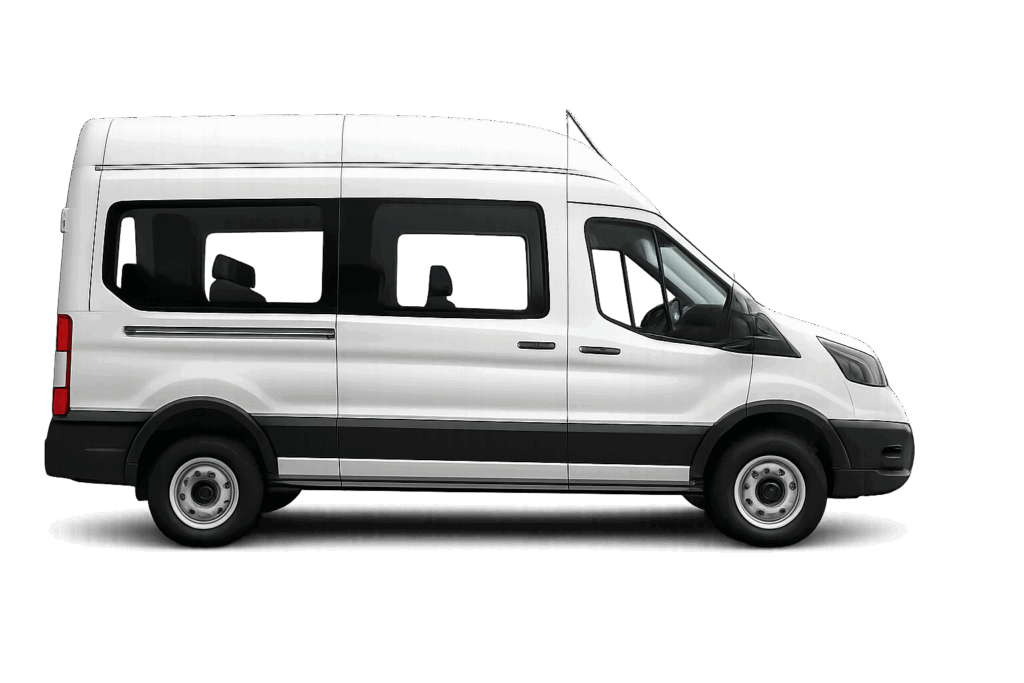
- Vehicle Options: Includes wheelchair-accessible vans, stretcher vans, and even medical escort services on flights for long-distance travel.
- How to Schedule: Provide your appointment details, insurance information, and any special requirements (e.g., wheelchair access). Book at least 48–72 hours in advance.
- Booking Methods: Options include phone, web portals, or mobile apps. Some providers use AI for route optimization and real-time tracking.
- Choosing a Provider: Look for licensed providers with ADA-compliant vehicles, trained drivers, and strong safety and privacy protocols.
Preparation is key. Having all details ready – like your appointment time, pick-up/drop-off locations, and mobility needs – can make the process smoother. Reliable NEMT services ensure timely and safe access to healthcare while reducing transportation barriers.
How to Find a Reliable NEMT Provider
What to Look for in a Provider
When choosing a Non-Emergency Medical Transportation (NEMT) provider, start by confirming they hold the necessary city and state licenses. Look for NEMTAC Accreditation, which indicates they meet standards for management, driver qualifications, vehicle upkeep, and overall operations.
Check that the provider conducts thorough driver screenings, including background checks, and ensures drivers receive regular training. This step is crucial for your safety and peace of mind.
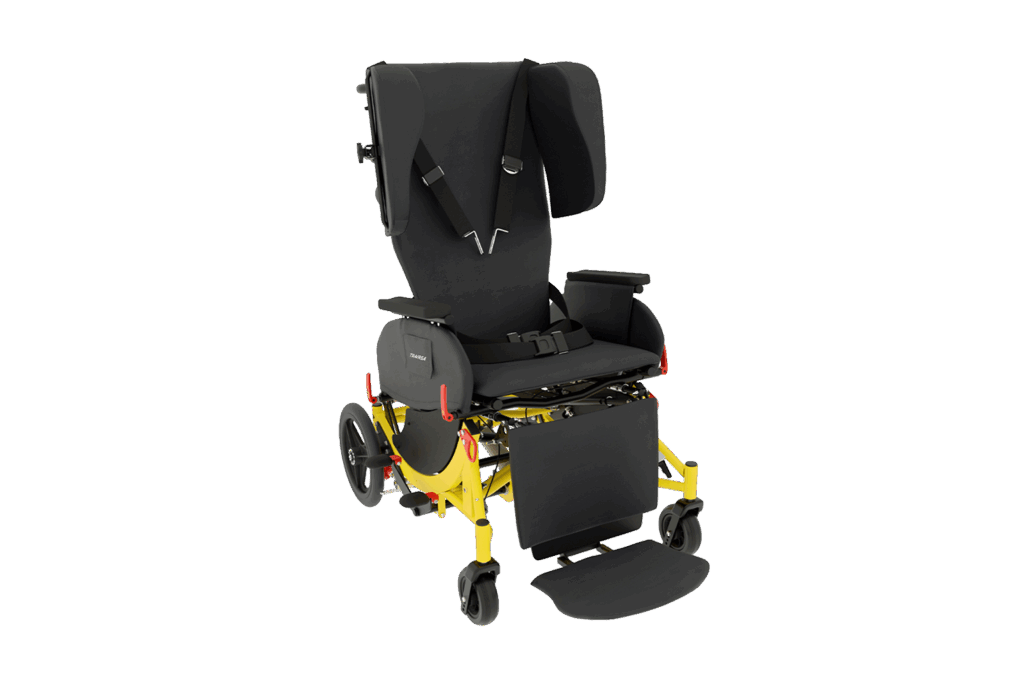
Reliable providers also operate ADA-compliant vehicles equipped with essential features like secure wheelchair tie-downs, stretcher capabilities, and other necessary equipment. These vehicles should be maintained on a strict schedule to ensure safety and reliability.
Finally, focus on providers with strong local connections. Those with proven regional coverage, close ties to healthcare facilities, and a reputation for punctuality are more likely to deliver a smooth and dependable transport experience.
Safety and Privacy Requirements
A quality NEMT provider prioritizes safety and privacy. Their services should comply with ADA standards while strictly adhering to HIPAA protocols to protect sensitive patient information. Drivers must undergo professional training in defensive driving, patient interaction, and emergency response to handle a variety of situations with care and expertise.
Insurance is another key factor. Ensure the provider carries commercial insurance that includes liability coverage and passenger protection. This coverage acts as a safeguard in the unlikely event of an accident.
Additionally, providers should implement rigorous background checks and credentialing processes for their drivers. This ensures that only qualified professionals are responsible for your transportation, laying the groundwork for a secure and trustworthy service.
Why Choose Zyvra Mobility?

Zyvra Mobility stands out as a leading NEMT provider in Austin, TX, offering safe and timely transportation for medical appointments, hospital discharges, and other healthcare needs.
Their fleet includes ADA-compliant vehicles designed to accommodate a range of mobility requirements. Whether you need wheelchair access, stretcher transport, or standard seating, their vehicles are equipped to provide both safety and comfort, all while adhering to strict maintenance standards.
Zyvra Mobility’s drivers undergo extensive, certifiable training in medical transport safety, patient care, and emergency protocols. This ensures that every ride is tailored to the specific needs of medical transport passengers, offering a secure and supportive experience.
Their use of AI-powered scheduling enhances efficiency by optimizing routes, reducing wait times, and providing real-time tracking. You can monitor your ride’s progress and receive accurate arrival updates, adding an extra layer of convenience.
Privacy is also a top priority. Zyvra Mobility enforces strict HIPAA compliance with secure communication systems to protect your medical information during every step of the transportation process.
How to Schedule NEMT Services
Information You Need to Provide
Before reaching out to a Non-Emergency Medical Transportation (NEMT) provider, make sure you have all the necessary details ready. A confirmed medical appointment is a must – this includes the date, time, and location of your visit. NEMT services won’t transport you without proof of a scheduled appointment.
It’s best to plan ahead by booking your ride at least 48–72 hours in advance. This gives providers enough time to meet your specific needs and ensures a vehicle will be available.
Be prepared with your insurance details, medical documents, and mobility requirements. If you’re a Medicaid beneficiary, you’ll need your Medicaid ID card. You should also provide information about your medical condition and any special requirements, such as wheelchair accessibility, stretcher transport, walker assistance, or accommodations for a service animal.
When contacting the provider, be clear about your transportation preferences. Let them know if you need a standard sedan, a wheelchair-accessible van, stretcher transport, or another type of specialized vehicle. Additionally, share the exact pick-up and drop-off locations and mention how many people will be accompanying you.
Once you’ve gathered all this information, you’re ready to choose your booking method.
How to Book Your Ride
NEMT providers typically offer several ways to book transportation, making it easy to find an option that works for you. For immediate confirmation, booking by phone is a reliable choice.
Alternatively, web portals and mobile apps are becoming increasingly popular because they’re convenient and available 24/7. These tools allow you to schedule rides, check your booking details, and make adjustments whenever you need.
Some providers, like Zyvra Mobility, take it a step further with AI-powered scheduling systems. These systems optimize routes, reduce wait times, and provide accurate pickup estimates. This tech-driven approach minimizes scheduling conflicts and ensures more reliable service.
Whichever method you choose, double-check all the details – appointment times, addresses, and any special requirements. Mistakes in this information can lead to delays or missed appointments.
Once your ride is booked, it’s time to confirm and manage the details.
Confirming and Managing Your Booking
After scheduling your ride, you’ll receive confirmation via your preferred communication method – whether by phone, email, or text. Many providers now offer real-time tracking and automatic reminders with updates on pickup times, driver information, and more.
If you need to make changes or cancel your booking, act quickly. Many providers allow you to handle modifications through self-service options on their web portals or mobile apps, saving you from having to call customer service. However, larger changes – like switching vehicle types or adding new accommodations – might require speaking directly with a representative.
For peace of mind, choose a provider that offers 24/7 customer support. This ensures you can get assistance with urgent changes or questions, whether it’s a last-minute appointment reschedule or a transportation need arising from a medical emergency.
On the day of your appointment, keep your confirmation number and the provider’s contact info handy. This will make it easier to communicate with your driver or the dispatch team if needed.
Working with Healthcare Providers
Coordinating Pick-Up and Drop-Off
To ensure a smooth pick-up and drop-off experience, start by coordinating with your healthcare facility as soon as your appointment is confirmed. Schedule your transportation promptly, providing accurate details about pick-up and drop-off times and locations.
When booking your ride, be specific about the entrance where you’ll need to be picked up or dropped off. This small detail can save time and prevent confusion on the day of your appointment.
Good communication is key. Let the healthcare facility staff know your transportation schedule so they can assist with patient transfers. Similarly, inform your NEMT (Non-Emergency Medical Transportation) provider if the facility has specific procedures, like check-ins at a certain desk or waiting area.
Be ready at the scheduled pick-up time to avoid delays, as healthcare facilities often run on tight schedules. Delays can also impact other patients relying on transportation.
Finally, make sure to share detailed patient information to ensure the transportation service meets all medical requirements.
Sharing Patient Information
Providing clear and detailed information about a patient’s medical and mobility needs is crucial for arranging the right vehicle and driver. When scheduling, mention any specific conditions or equipment requirements, such as oxygen tanks, IV poles, or other medical devices.
If mobility assistance is needed, like a wheelchair or walker, communicate these needs in advance so the transportation provider can prepare appropriately. Similarly, share details about any cognitive or behavioral considerations that might affect the ride.
State any equipment requirements upfront. For instance, if you’re traveling with a portable oxygen concentrator or other devices, notifying the provider ahead of time ensures the vehicle is equipped and has enough space.
Keep all necessary documents – like appointment confirmations and medical instructions – readily available. This helps both the driver and medical staff understand the patient’s needs, ensuring a seamless experience.
Once patient details are finalized, review your insurance and payment options to avoid any surprises.
Insurance and Payment Options
Medicaid is the primary payment source for many NEMT services, so it’s essential to understand your benefits. Contact your Medicaid office or managed care organization to confirm what transportation services are covered. Keep in mind that coverage and requirements, like advance booking or approved provider networks, can vary by state.
When scheduling a ride, provide your insurance details upfront to avoid payment issues. Have your Medicaid ID card handy and check if your plan requires a copayment or prior authorization for recurring appointments, such as dialysis or physical therapy.
If you have private insurance, reach out to your provider to confirm whether NEMT services are included in your plan.
For those paying out-of-pocket, discuss rates and payment methods with your NEMT provider ahead of time. Most providers accept cash, credit cards, and sometimes offer payment plans. Understanding the total cost upfront can help you plan your budget and avoid unexpected charges.
Medicare recipients should note that traditional Medicare typically doesn’t cover non-emergency transportation. However, some Medicare Advantage plans do offer NEMT benefits, so check with your plan administrator to explore your options.
If covering transportation costs is an issue, consult your healthcare provider’s financial counselor or social worker. They may know about local assistance programs or charitable organizations that can help with transportation expenses.
sbb-itb-8e5d2ef
Non Emergency Medical Transportation, Scheduling a Ride
Using Technology for Better Scheduling
Technology has taken scheduling to the next level, especially in the realm of Non-Emergency Medical Transportation (NEMT). It’s not just about booking a ride anymore – modern tools make the entire process smoother and more efficient, from start to finish.
AI-Powered Scheduling Tools
AI is becoming a game-changer for NEMT services. By analyzing real-time data, these tools can optimize routes and schedule rides more efficiently. They also consider specific rider needs, such as wheelchair accessibility or stretcher accommodations, ensuring that every passenger gets the right type of vehicle. For instance, Zyvra Mobility uses sophisticated scheduling technology to help patients book rides that align perfectly with their mobility requirements.
Real-Time Tracking and Updates
Once a ride is scheduled, real-time tracking keeps everyone in the loop. Many platforms now feature mobile apps that let users track their driver’s location on a map and receive live updates about arrival times. Zyvra Mobility takes this a step further by offering built-in communication tools, so passengers can share important pickup details with their driver. This ensures a seamless experience from departure to arrival for both patients and healthcare providers.
Managing Recurring Appointments
For those with regular medical appointments, managing transportation has never been easier. Zyvra Mobility’s booking portal allows users to set up recurring rides, saving preferences like pickup times and specific requirements. The platform also makes it easy to adjust or cancel individual rides, giving patients and healthcare facilities the flexibility they need to adapt to changing schedules. This kind of convenience helps ensure reliable and hassle-free transportation for ongoing care.
Conclusion
When it comes to non-emergency medical transport (NEMT), preparation makes all the difference. Scheduling a ride doesn’t have to be complicated if you approach it with the right tools and information. The first step? Choosing a dependable provider that meets your specific needs – whether that’s wheelchair accessibility, stretcher transport, or specialized medical equipment.
Having the key details ready – like pickup and drop-off locations, appointment times, mobility requirements, and insurance information – can make the booking process smoother and ensure seamless coordination with healthcare providers.
Thanks to modern technology, booking NEMT has never been easier. Online platforms and AI-powered tools can simplify scheduling, optimize routes, and even offer real-time tracking to keep everything on schedule.
Reliable NEMT services don’t just provide transportation – they remove barriers to healthcare. With safe, timely, and stress-free rides, patients can focus on what truly matters: their health and recovery. Whether it’s a one-time trip or recurring appointments, a well-organized approach to scheduling ensures peace of mind and better access to care.
Zyvra Mobility takes this a step further by offering advanced scheduling solutions that combine dependable service, cutting-edge technology, and patient-centered features – all designed to support better healthcare outcomes.
FAQs
What should I do if I need to cancel or change my non-emergency medical transport at the last minute?
If you need to cancel or change your scheduled non-emergency medical transport (NEMT) at the last minute, make sure to contact your provider right away. Many providers have clear policies for handling last-minute changes, and notifying them promptly can help you avoid extra fees or unexpected issues.
When you reach out, be ready to share key ride details like the date, time, and your booking reference number. This information helps the provider process your request more efficiently. If you’re unsure how to cancel or modify your booking, check your confirmation email for instructions or give the provider’s customer service team a call for guidance.
How can I make sure my medical and mobility needs are met during non-emergency medical transportation?
When booking non-emergency medical transportation (NEMT), it’s essential to share all the necessary details to ensure your medical and mobility needs are met. Be sure to specify any particular requirements, such as a wheelchair-accessible vehicle, a stretcher, or caregiver assistance.
If you’re bringing medical equipment like oxygen tanks or walkers, let the provider know ahead of time. Giving this information in advance allows the transportation team to make the proper arrangements, ensuring a comfortable and hassle-free experience tailored to your needs.
Are there programs to help pay for non-emergency medical transportation if I don’t have Medicaid or private insurance?
If you don’t have Medicaid or private insurance, there are still ways to manage the cost of non-emergency medical transportation (NEMT). Local government programs, nonprofit organizations, or community groups often provide support for transportation to medical appointments. Some healthcare providers might also offer resources or have partnerships to help patients access affordable transportation.
To find out what’s available, reach out to your local social services office or your healthcare provider. They can point you toward programs or resources that fit your individual needs.