
Non-emergency medical transportation (NEMT) ensures seniors in rehabilitation can attend therapy sessions without transportation challenges. Many older adults face barriers like mobility issues, vision impairments, or medication side effects, making driving or public transportation difficult. NEMT services provide door-to-door rides with trained drivers and vehicles designed for wheelchairs and mobility aids. This consistent access helps maintain therapy schedules, speeds up recovery, and reduces risks of complications.
Key points:
- Who benefits? Seniors recovering from strokes, surgeries, or joint replacements.
- Why is it important? Missed appointments delay recovery and independence.
- What does NEMT offer? Door-to-door rides, ADA-compliant vehicles, trained drivers, and flexible scheduling.
- Example provider: Zyvra Mobility in Austin, TX, offers tailored support with real-time tracking and professional drivers.
Reliable transportation is critical for seniors to stay on track with their rehabilitation and regain independence.
Transportation Needs of Geriatric Rehab Patients
Mobility and Accessibility Challenges
For seniors in rehab, mobility issues often make traditional transportation unsuitable. Many require vehicles designed with easier access, such as low steps or wheelchair ramps, along with secure seating options. These features are essential to address the unique transportation hurdles older adults face during their recovery journey.
Transportation Barriers to Regular Rehab Attendance
Unreliable transportation can lead to missed rehab appointments, which can significantly slow down recovery. Even slight delays disrupt carefully timed therapy schedules, potentially impacting the effectiveness of treatment plans and overall progress.
How Reliable Transportation Improves Recovery
Reliable transportation plays a crucial role in the recovery process for seniors. It ensures they can attend rehab sessions on time, maintaining the consistency needed for effective treatment. This consistent access allows healthcare providers to closely monitor progress, address any concerns promptly, and adapt therapy as needed. Beyond medical care, dependable transportation also supports seniors in staying connected to social activities and maintaining a sense of independence – key elements that contribute to their overall well-being and recovery.
Making the Connection: Aging Transportation and the ADA
How to Set Up NEMT for Geriatric Rehabilitation
Setting up non-emergency medical transportation (NEMT) can help address the transportation challenges faced by patients attending geriatric rehabilitation sessions.
Check Eligibility and Coverage Options
Before arranging transportation, it’s important to confirm what coverage options are available. For those who qualify, Medicaid often covers NEMT for medically necessary appointments, including rehabilitation programs. However, the specifics of coverage can vary depending on your state and health plan, so it’s a good idea to contact your state’s Medicaid office or carefully review your plan’s details.
Traditional Medicare (Parts A and B) typically doesn’t cover routine NEMT unless the transportation is medically necessary and supported by a doctor’s written order. On the other hand, many Medicare Advantage (Part C) plans include NEMT as an added benefit. To determine if your plan includes transportation for rehab appointments, reach out to your plan provider or check Medicare.gov.
For individuals with private insurance, contact your insurer directly to confirm NEMT eligibility and any required documentation. Some insurance plans may require a doctor’s referral or written order stating that transportation is medically necessary for rehabilitation. Having this documentation ready in advance can help avoid delays when scheduling rides.
Once you’ve confirmed coverage, you can move forward with booking transportation for recurring therapy sessions.
Schedule Recurring Appointments for Therapy
Rehabilitation often involves multiple sessions per week, sometimes over several months. To avoid missed appointments, it’s best to schedule recurring rides right from the beginning. When contacting your NEMT provider, share your complete therapy schedule, including dates, times, and the address of the rehab facility. This allows the provider to book the rides as a series rather than individually.
Keep in touch with the rehab facility to confirm appointment durations and any schedule changes. This ensures that return trips are arranged appropriately, minimizing long waits or rushed departures.
Ask your NEMT provider about appointment reminders via phone, text, or email. These reminders can help reduce the risk of missed rides and provide an opportunity to make last-minute updates. Also, inquire about their policies for modifying or canceling rides in case a session needs to be rescheduled.
After setting up recurring appointments, make sure to provide all the necessary ride details to your NEMT provider.
Coordinate Transportation Details
When booking each ride, it’s crucial to provide all the required information to ensure the patient is matched with the right vehicle and level of support. Share the patient’s contact information, member ID, appointment date and time, pick-up location, and the healthcare facility’s full details (name, phone number, address, and ZIP code).
Let the provider know the general purpose of the appointment, such as physical or occupational therapy, so the driver understands the context. Be clear about any mobility challenges or equipment the patient uses, like a wheelchair (manual or motorized), walker, cane, or stretcher. If the vehicle needs to be equipped with a wheelchair ramp or lift, make sure to mention that.
Specify the type of service required. For example, door-to-door service includes assistance from the patient’s front door to the facility entrance, while curb-to-curb service involves pick-up and drop-off at the curb. For geriatric rehab patients who might need extra help, door-to-door service can be a better option. Also, let the provider know if an escort or family member will be accompanying the patient, as this could affect vehicle capacity.
Discuss the timing of the return trip in detail. If therapy sessions sometimes run longer than expected, it’s a good idea to allow for extra time. Some NEMT providers offer “will call” services, where the facility or patient notifies the provider when the session ends to trigger the return trip. This flexibility can help avoid long waits or rushed departures.
ADA-Compliant and Senior-Friendly Transportation
Specialized vehicles play a crucial role in helping seniors attend rehabilitation consistently by addressing their unique mobility and medical needs.
Key ADA Features for Geriatric Patients
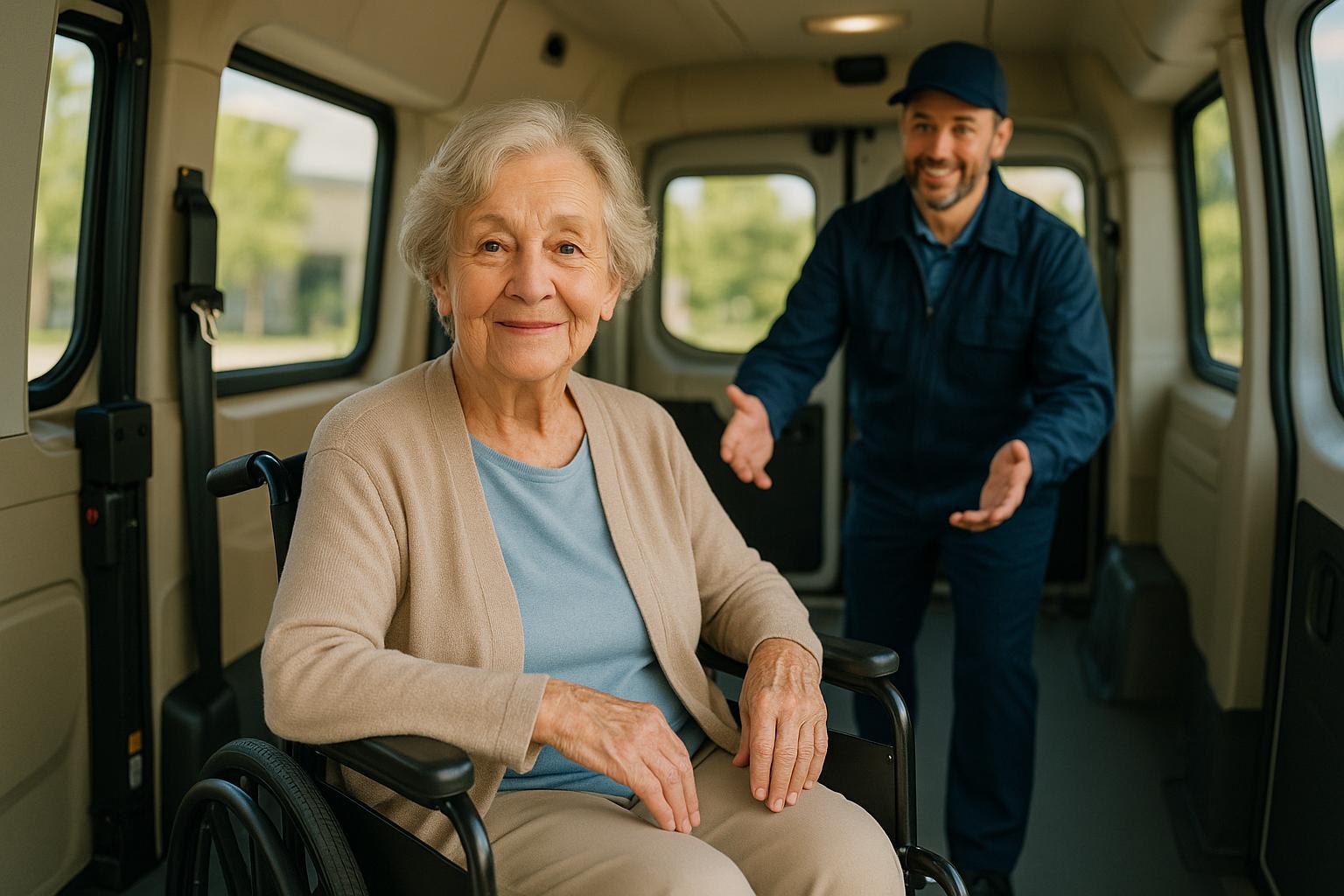
To safely transport seniors with mobility challenges, ADA-compliant vehicles must incorporate several important features. For starters, wheelchair ramps or hydraulic lifts are essential for easy and safe boarding. These features eliminate the need for steps and often include gentle slopes with non-slip surfaces to prevent accidents.
Securement systems are another critical component, ensuring that wheelchairs remain stable during transport. Typically, these systems use four-point tie-down straps to anchor the wheelchair securely to the vehicle floor, reducing movement during sudden stops, turns, or acceleration. These systems must meet federal safety standards to protect passengers in emergencies.
ADA-compliant vehicles also require ample interior space to accommodate mobility aids and medical equipment. This includes room for manual and power wheelchairs, walkers, rollators, canes, and even oxygen tanks, ensuring patients can travel without needing to transfer from their devices.
Wide doorways and low-floor designs make boarding and exiting easier for seniors who may have limited flexibility or balance. Grab bars near entry points provide additional support, while climate-controlled interiors cater to older adults who might be sensitive to extreme temperatures, especially during recovery from surgery or while managing chronic conditions.
Other thoughtful features, like good interior lighting and non-slip flooring, enhance safety and ease of use. Proper lighting is particularly helpful for patients with vision impairments, while non-slip surfaces reduce the risk of falls, an important consideration for those working on balance and stability during rehab.
Beyond these design elements, ensuring a safe and comfortable ride requires extra attention to detail.
Safety and Comfort During Transport
For seniors recovering from surgeries or managing medical conditions, vehicle design must go beyond basic ADA standards. A well-designed suspension system is vital to reduce jarring or bumps, which can cause pain or discomfort, particularly for those recovering from hip replacements, spinal surgeries, or fractures. A smooth ride can encourage patients to attend therapy sessions more consistently.
Driver assistance also plays a key role in ensuring safety. Door-to-door support is invaluable for seniors who may feel unsteady or anxious about falling. Drivers should be patient, allowing enough time for seniors to transition safely without feeling rushed.
Inside the vehicle, comfortable and supportive seating with adjustable headrests adds to the overall experience. For those who can transfer from wheelchairs, seats should be positioned at an appropriate height to make transfers easier and safer. Onboard communication systems allow passengers to request adjustments or assistance during the ride, adding another layer of support.
Emergency preparedness is equally important. Vehicles should be equipped with first aid kits, fire extinguishers, and communication devices to contact emergency services if needed. Drivers should also be familiar with the nearest hospitals along their routes in case a medical emergency arises during transport.
These measures reflect the commitment of local non-emergency medical transportation (NEMT) services to providing safe and reliable care for seniors.
Specialized Services in Austin, TX
In Austin, providers like Zyvra Mobility build on these ADA features with additional services tailored to seniors’ rehabilitation needs. Their approach combines advanced scheduling tools and highly trained drivers to ensure seamless access to therapy.
Advanced scheduling technology simplifies the process for patients and families by allowing recurring bookings for weekly or multiple appointments. This eliminates the stress of arranging transportation for each session. Real-time tracking adds peace of mind, enabling family members to monitor when their loved one is picked up and dropped off at the rehab facility.
Drivers receive specialized training to assist geriatric patients, including how to handle mobility aids and recognize signs of discomfort or distress. This training ensures that drivers are equipped to address the physical and medical needs of seniors during transport.
HIPAA compliance is a priority, protecting patient privacy when coordinating with healthcare facilities about appointments and specific needs. This professional approach helps maintain the dignity and confidentiality seniors deserve as they recover.
Austin’s NEMT providers also offer flexibility in vehicle options, including wheelchair-accessible vehicles and standard sedans. This allows patients to transition to different transportation types as they regain mobility and independence during rehab.
Familiarity with Austin’s healthcare facilities is another advantage. Local providers know the locations of major rehab centers, outpatient clinics, and hospital programs, ensuring timely arrivals and reducing the risk of delays. This reliability is especially important for seniors who may feel anxious about being late to appointments.
sbb-itb-8e5d2ef
Professional Drivers in Geriatric Rehabilitation Transportation
Professional drivers play a crucial role in ensuring seniors are transported safely, relying on specialized skills like emergency response and defensive driving to make each journey secure.
Specialized Training for NEMT Drivers
Non-emergency medical transportation (NEMT) drivers undergo essential training in first aid and CPR. These skills prepare them to handle medical emergencies that may arise during transit, ensuring passengers receive immediate assistance when needed.
Maintaining Dignity and Communication
Technical skills are just one part of the job. Drivers must also communicate respectfully and patiently with seniors, many of whom may face hearing difficulties, cognitive challenges, or anxiety about medical visits. Clear communication fosters trust and makes passengers feel at ease.
A thoughtful approach starts with introductions. Drivers should explain each step of the boarding process and inquire about specific needs or concerns before setting off. This not only maintains the passenger’s dignity but also provides valuable insights to improve the overall experience.
Privacy is another cornerstone of professionalism. Drivers should avoid discussing personal medical details in public and must maintain strict confidentiality about appointments and health conditions. This discretion helps seniors feel secure and respected throughout their journey.
Emergency Preparedness and Defensive Driving
In addition to technical training, drivers are extensively prepared for emergencies. They are trained to contact emergency services quickly and follow established protocols for medical, mechanical, or natural emergencies. This includes knowing the locations of nearby hospitals, understanding patient-specific emergency needs, and having a reliable communication plan to alert dispatch or authorities when necessary.
Daily checks of emergency equipment – such as first aid kits, fire extinguishers, and communication devices – ensure readiness at all times.
Defensive driving is another critical aspect. Drivers minimize risks by adhering to traffic laws, avoiding distractions, and adjusting speeds based on road conditions and passenger safety. Regular vehicle inspections, including brakes, tires, lights, and signals, help prevent malfunctions. Seasonal adjustments, like extra caution during rainstorms or managing climate controls during extreme heat, further enhance safety. Emergency kits with essentials like blankets, water, and flashlights are kept on board for added security.
GPS technology aids in planning efficient routes, reducing travel time and ensuring punctuality. Additionally, managing driver fatigue through proper rest and scheduling prevents accidents, while training in de-escalation techniques helps handle challenging situations calmly.
This comprehensive training and preparation allow drivers to support seniors’ rehabilitation journeys, ensuring that every trip is as safe and smooth as the therapy sessions they attend.
Aligning NEMT Services with Rehab Care Plans
Beyond scheduling and designing vehicles to accommodate seniors, aligning Non-Emergency Medical Transportation (NEMT) services with a patient’s rehabilitation care plan can make a real difference. It helps ensure consistent therapy attendance and supports better recovery outcomes.
Coordinate Ride Schedules with Therapy Sessions
Effective coordination starts with thoughtful planning. Book rides at least five days ahead to secure the best routes and suitable vehicles. Make sure pick-up and drop-off times allow enough transition time for the patient. Also, consider individual preferences, like the time of day they feel most comfortable traveling, to improve their overall experience.
Communicate Patient Needs to NEMT Providers
Clear communication is key to meeting the unique needs of geriatric rehab patients. Caregivers should share essential details with transportation providers, such as the patient’s mobility level, any medical conditions, and specific equipment or comfort needs. This ensures the right vehicle and assistance are arranged for each trip. Additionally, provide logistical details about pick-up and drop-off locations to avoid unnecessary confusion.
Evaluate Transportation Performance
Scheduling and communication are just the starting points – evaluating how well the service performs is just as important. Regularly review the NEMT provider’s reliability to ensure they’re supporting the patient’s rehabilitation goals. Track punctuality across multiple appointments, as delays can disrupt therapy schedules. After each trip, gather feedback from the patient. Ask if they felt comfortable, whether the driver communicated effectively, and if they arrived feeling relaxed and ready for therapy. Consistency in service, such as assigning the same driver for recurring trips, can help build trust and familiarity. Providers using advanced scheduling tools and real-time tracking, like Zyvra Mobility in Austin, can make coordination smoother and more reliable. Schedule regular check-ins with the NEMT provider to discuss performance and address any concerns promptly.
Conclusion
For seniors recovering from surgery, injury, or illness, consistent access to rehabilitation is essential. Unfortunately, unreliable transportation can disrupt therapy schedules and slow down recovery. That’s where non-emergency medical transportation (NEMT) services step in, removing obstacles to timely rehab attendance.
The benefits of dependable transportation are clear. For example, veterans saw an 83% reduction in missed appointments, and clinical trials reported up to 20% fewer dropouts when transportation barriers were addressed [10]. These numbers highlight how crucial access to reliable rides is for improving outcomes.
NEMT services are designed with seniors’ unique needs in mind. ADA-compliant vehicles accommodate wheelchairs, walkers, and other mobility aids, while trained drivers ensure safe and comfortable travel. Advanced scheduling tools further enhance reliability, ensuring patients get to their appointments on time and maintain their therapy progress.
In Austin, Zyvra Mobility offers tailored support for seniors, featuring flexible scheduling, real-time ride tracking, and drivers trained specifically for geriatric care. This thoughtful approach allows patients to focus fully on their recovery without worrying about how they’ll get to therapy.
When transportation aligns seamlessly with a care plan, everything improves – attendance increases, stress levels drop, and recovery outcomes become more achievable. Reliable NEMT doesn’t just make it easier to attend appointments; it also empowers seniors to stay committed to their rehabilitation journey and regain their independence.
FAQs
How does non-emergency medical transportation (NEMT) benefit seniors in rehabilitation programs?
Non-emergency medical transportation (NEMT) plays an important role in ensuring seniors can consistently access rehabilitation services, which is a key part of their recovery journey. With dependable transportation, they can attend therapy sessions, follow-up visits, and other rehab-related activities without disruptions.
These services are designed with seniors in mind, often including ADA-compliant vehicles and drivers trained to assist individuals with mobility challenges or special needs. To make things even easier, many NEMT providers offer advanced scheduling options, simplifying the process for both patients and their caregivers. By providing a reliable way to get to and from essential appointments, NEMT helps seniors maintain their recovery plans, improve their health, and retain their independence.
What should I keep in mind when arranging non-emergency medical transportation for a senior in rehabilitation?
When setting up Non-Emergency Medical Transportation (NEMT) for a senior in rehabilitation, it’s important to focus on their individual needs and preferences. Begin by mapping out the key destinations they need to reach, such as therapy centers or medical appointments, and confirm that the service can align with their schedule. Features like ADA-compliant vehicles and drivers with professional training are crucial to ensure both safety and comfort during the ride.
You should also consider any additional support they might need. For instance, do they require help getting in and out of the vehicle? Will they be traveling with a caregiver? If having a familiar driver each time helps them feel more at ease, check if the service provider can accommodate this request. Paying attention to these details can make the entire transportation process smooth and worry-free.
What features should an ADA-compliant vehicle have for safely transporting seniors in rehabilitation programs?
When selecting a vehicle that meets ADA standards for transporting seniors, there are a few must-have features to consider. Look for wheelchair ramps or lifts to make boarding simple, securement systems to keep wheelchairs in place, and extra-wide doorways to ensure easy access. Features like adjustable seating, reliable climate control, and safety measures such as cameras and GPS add an extra layer of comfort and security for passengers.
Equally important is having drivers who are professionally trained in areas like disability awareness, ADA regulations, and assisting individuals with mobility challenges. This training helps create a safe, respectful, and supportive experience for seniors traveling to rehabilitation programs or other destinations.