Leaving the hospital can be stressful if you’re unsure how to get home safely, especially when mobility or medical needs come into play. In Austin, arranging Non-Emergency Medical Transportation (NEMT) ensures a smooth transition from the hospital to home or another care facility. Here’s what you need to know:
- What It Is: NEMT provides specialized transport for patients needing assistance beyond standard car services, such as wheelchair or stretcher support.
- When You Need It: After surgeries, for mobility challenges, or when medical equipment (like oxygen) is required during the ride.
- How to Schedule: Work with hospital discharge planners and provide details like discharge time, destination, and special needs. Book 24–48 hours in advance for better availability.
- Costs: Medicaid often covers NEMT if eligible; Medicare and private insurance may have limits. Self-pay options are available, with typical rates starting at $2.50–$3 per mile in Austin.
Planning ahead and selecting a trusted provider, like Zyvra Mobility, can ensure timely, safe, and comfortable transportation for patients. Read on for detailed steps and tips.

5 Steps to Arrange Hospital Discharge Transportation in Austin
What Is Non-emergency Medical Transportation (NEMT)? – CountyOffice.org

What is Hospital Discharge Transportation?
Hospital discharge transportation is a service designed to move patients from a hospital to their next destination – whether that’s home, a rehabilitation center, a nursing home, or another care facility. This is more than just a ride; it’s a key part of patient care that can directly influence recovery outcomes. Let’s dive into why and when this service becomes essential.
Proper planning for discharge transportation helps prevent delays, missed follow-up appointments, and unnecessary hospital readmissions. It ensures patients can follow their post-discharge care plans effectively . Reliable transportation acts as the link between the hospital and the next stage of care, highlighting the importance of careful coordination.
Here’s a striking example: a study by the US Veterans Health Administration revealed that 83% of veterans would have missed their medical appointments without arranged transportation [4]. This shows just how vital dependable transportation is for maintaining continuity of care.
When You Need Hospital Discharge Transportation
There are several scenarios where hospital discharge transportation becomes necessary. For instance, after surgeries like knee replacements or cardiac procedures, patients often need specialized transport because standard vehicles may not provide the safety or comfort required. Similarly, individuals with mobility challenges or those needing wheelchair or stretcher transport must rely on vehicles equipped for such needs.
Medical conditions can also make traditional transportation impractical or unsafe. If a patient is under the influence of pain medications, has cognitive impairments, or faces physical restrictions, specialized transportation becomes essential. In the United States, over 61 million adults live with a disability, many of whom require accommodations such as wheelchair-accessible or stretcher-equipped vehicles – something standard cars simply can’t offer.
Emergency vs. Non-Emergency Medical Transportation
Understanding the difference between Emergency Medical Transportation (EMT) and Non-Emergency Medical Transportation (NEMT) is key. EMT involves ambulances for urgent situations where immediate medical intervention is critical, such as during a heart attack, stroke, or severe trauma.
On the other hand, NEMT is meant for planned medical needs, like hospital discharges or routine appointments, where assistance is required but there’s no immediate crisis. Hospital discharge transportation typically falls under this category, focusing on safe and comfortable travel rather than emergency care. Medicare will cover NEMT if it’s medically necessary and if using a standard vehicle could jeopardize the patient’s health.
Determining Your Transportation Needs
Before arranging hospital discharge transportation, it’s important to assess the patient’s specific requirements. This ensures both their safety and a smooth, timely discharge. Start by evaluating their mobility and timing needs to select the right transportation service.
Patient Mobility and Medical Requirements
Understanding the patient’s mobility level is key. Different services cater to various needs, including:
- Ambulatory patients: Those who can walk, either independently or with assistance.
- Wheelchair users: Patients requiring wheelchair-accessible vehicles.
- Stretcher-bound individuals: Patients unable to sit or walk, needing stretchers for transport.
- Bariatric patients: Individuals requiring specialized equipment and vehicles with more space.
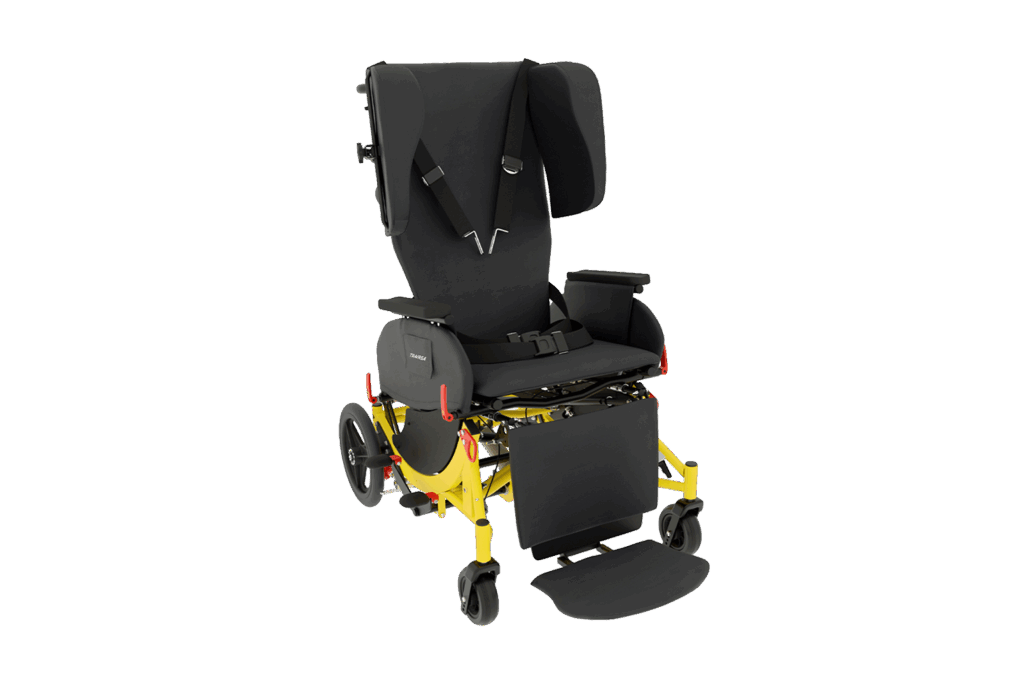
- Broda chair users: Patients needing advanced positioning support during transport.
For patients recovering from procedures involving sedation, a responsible party must accompany them. This makes standard rideshare services unsuitable. Instead, specialized medical transport services are ideal. These services employ trained professionals – such as RNs, LPNs/LVNs, or CNAs – who can assist with discharge paperwork, help patients in and out of vehicles, and ensure they’re settled safely at home.
Additionally, if the patient requires medical equipment like oxygen tanks during transit, notify the provider when booking. This allows them to send a properly equipped vehicle that meets the patient’s needs. Always confirm these details with your care team to avoid complications.
Distance and Timing Factors
Once mobility and medical needs are addressed, think about how distance and timing will influence your transportation plan. For example, distance directly impacts cost and scheduling. In Austin, rates are typically $2.50 per mile for ambulatory transport and $3 per mile for wheelchair or stretcher transport. For trips over 100 miles or out-of-state, custom quotes are provided on a case-by-case basis.
To secure availability, especially for wheelchair or stretcher transport, book at least 24–48 hours in advance [4]. For extended journeys, real-time tracking can help you monitor the trip’s progress and address any unexpected delays [4]. Proper planning around these factors is essential to ensure a safe and efficient hospital discharge process.
How to Schedule Hospital Discharge Transportation
Once you’ve assessed the patient’s needs, it’s important to gather all necessary details and book transportation as soon as possible to avoid delays on the day of discharge.
Information to Gather Before Booking
Before reaching out to a transportation provider, make sure you have all the essential details to ensure the patient’s needs are met. Start with the basics: the exact discharge date and time, the hospital’s name and address for pickup, and the destination address – whether it’s the patient’s home, a skilled nursing facility, or another location. You’ll also need to determine the patient’s mobility requirements. Are they able to walk on their own, or will they need a wheelchair, stretcher, bariatric equipment, or a Broda chair? Additionally, note any special equipment they might need during the ride, such as oxygen tanks.
It’s also a good idea to specify the reason for the transport, such as post-surgery recovery or a transfer to another care facility. This helps the provider understand the type of care required. If the patient is using insurance, have their Medicaid ID or Social Security number ready. For instance, as of November 2025, the Texas Health and Human Services Commission Medical Transportation Program requires this information to schedule non-emergency rides for Medicaid recipients. Some services, like Capital Metropolitan Transportation Authority’s MetroAccess, may also require a completed application and medical verification to confirm eligibility.
Once you’ve gathered this information, work with your hospital discharge planner to finalize the transportation arrangements.
Working with Hospital Discharge Planners
Hospital discharge planners and care coordinators are essential in ensuring transportation aligns with the patient’s medical clearance and official release time. It’s a good idea to coordinate with them early on, as they can either arrange transportation directly or connect you with a trusted provider.
Discharge planners communicate any specific requirements – like wheelchair accessibility or door-to-door assistance – to the transportation service. Many hospitals use scheduling platforms that allow care coordinators to book rides, track their status in real time, and receive updates about delays or completed trips. For a more seamless experience, transitional care services often collaborate with social workers at hospitals like Dell Seton Medical Center and St. David’s Medical Center in Austin to manage both discharge orders and transportation needs.
"We partner with hospitals across the Austin metro area to help patients return home or transfer to the next level of care without delay or added stress." – Lone Star Medical Transportation
Verifying Your Transportation Details
Once your ride is booked, double-check the provider’s confirmation to ensure all details are correct, including the pickup time, location, and destination. Many services offer courtesy call reminders or text notifications when the driver is en route.
Make sure the pickup address and contact information are accurate. If the service offers real-time tracking via an app or dashboard, use it to monitor the driver’s status. Should you notice any issues or anticipate delays, contact the provider right away to address them.
sbb-itb-8e5d2ef
Selecting a Transportation Provider
When arranging transportation for a hospital discharge, it’s essential to choose a provider that meets the patient’s medical needs, prioritizes safety, and delivers dependable service. A well-chosen provider can make the transition smoother and less stressful for everyone involved.
What to Look for in a Provider
Start by confirming that the provider offers transportation options suited to various mobility needs – whether ambulatory, wheelchair, stretcher, or bariatric. Their vehicles should be ADA-compliant, clean, and equipped with proper safety restraints and any specialized gear required for the patient’s condition. Additionally, ensure drivers are thoroughly background-checked, trained in patient care, certified in CPR, and experienced in defensive driving. For patients requiring advanced medical attention, it’s crucial that the provider employs certified EMTs or paramedics.
Safety systems are another must-have. Look for features like GPS tracking, AI-enabled dash cams, and driver safety monitoring. Punctuality is equally critical – on-time pickups help avoid unnecessary delays and ease the stress of discharge day. The provider should also excel in communication, coordinating seamlessly with hospital staff, confirming schedules, and providing real-time updates to family members.
Lastly, take the time to review online ratings and customer testimonials to get a sense of the provider’s service quality. Discuss the full cost upfront, including any potential extra fees, and confirm whether they accept your insurance – be it Medicaid, Medicare, or private coverage. These steps ensure you’re making an informed decision.
Why Choose Zyvra Mobility

Zyvra Mobility has built a reputation as a trusted provider of non-emergency medical transportation in the Austin area. Their fleet of ADA-compliant vehicles is designed to accommodate a wide range of patient needs, including ambulatory, wheelchair, and stretcher transport. Every driver undergoes professional training in patient care and safety protocols, ensuring compassionate and secure service throughout the journey.
Using advanced scheduling technology, Zyvra Mobility simplifies hospital discharge coordination and provides real-time tracking for added peace of mind. They maintain strict HIPAA compliance to safeguard patient privacy and offer flexible scheduling tailored to hospital release times. Whether the destination is home, a skilled nursing facility, or another care setting, Zyvra Mobility’s bedside-to-bedside service ensures a smooth and well-coordinated transition from hospital to the next stage of care.
Preparing for Discharge Day
Once your transportation is scheduled, taking a few simple steps ahead of time can help ensure everything goes smoothly when it’s time to leave the hospital. A little preparation can make the process less stressful and help avoid any last-minute surprises for both the patient and caregivers.
Confirming Pickup Information
Double-check all the pickup details the day before discharge. This includes the pickup time, the hospital entrance or location, the floor where the patient will be, and the driver’s contact information. Most services will confirm these details ahead of time and send a notification when the driver is on their way [4]. Keep an eye out for these updates, and if anything seems unclear or missing, reach out to the discharge planner or provider right away.
Hospitals often play an active role in coordinating transportation. For example, care coordinators can monitor rides in real time and receive alerts about delays, allowing them to step in when necessary [4]. This kind of proactive communication helps reduce delays and ensures that the hospital and transportation providers stay on the same page.
What to Pack for the Patient
Having everything ready before discharge day can save a lot of hassle. Be sure to pack all the essentials, including:
- Discharge paperwork, such as care instructions, prescriptions, and follow-up appointment details.
- The patient’s insurance cards, ID, and any payment information needed for the ride.
- Personal items like comfortable clothing, current medications, and any medical equipment the patient uses regularly (e.g., walkers or oxygen tanks).
If the patient has mobility challenges, dress them in clothing that’s easy to put on and take off, along with comfortable shoes. Being organized ahead of time helps ensure nothing important gets left behind and makes the transition smoother for everyone involved.
What to Expect During the Ride
Once the details are confirmed, it’s helpful to know what the ride will involve. Drivers typically provide bedside pickup, meaning they’ll come directly to the hospital room and assist the patient as needed. Vehicles are equipped with safety restraints and any necessary mobility aids to ensure the patient’s comfort and security throughout the journey.
Drivers are trained to handle medical transport situations with professionalism, focusing on both safety and comfort. Whether it’s helping the patient into the vehicle or navigating the trip, their goal is to provide a smooth and secure ride to the destination.
Costs and Payment Options
Understanding your payment options upfront can help you avoid unexpected surprises. Since coverage varies greatly depending on your insurance plan, it’s crucial to check what’s included before scheduling a ride.
Insurance Coverage: Medicaid, Medicare, and Private Plans
Medicaid: In Texas, Medicaid beneficiaries can access non-emergency medical transportation (NEMT) services, including rides for hospital discharges, provided they’re enrolled in Medicaid and lack other transportation options. These services are available through Texas Medicaid managed care plans like STAR, STAR Health, STAR Kids, STAR+PLUS, and MMP. Medicaid members should contact their plan’s transportation hotline. If you don’t have a health plan, you can call 877-633-8747 (877-MED-TRIP) in Texas. However, note that Medicaid NEMT does not cover emergency or non-emergency ambulance services.
Medicare: Coverage under Medicare is more restrictive. Original Medicare (Parts A and B) generally doesn’t include NEMT unless a doctor certifies that the transportation is medically necessary to safeguard your health – for example, transport to a hospital or facility for treatment or diagnosis. Even with certification, coverage isn’t guaranteed. Medicare Part B may cover non-emergency ambulance services if a doctor deems it medically necessary, such as for individuals with limited mobility needing transport to a dialysis center. Medicare Advantage (Part C) plans might offer extra benefits beyond Original Medicare, so it’s worth checking the specifics of your plan.
Private Insurance: Most private insurance plans don’t typically cover NEMT, but there are exceptions. As TransMedCare explains:
"While it’s uncommon for insurance companies to offer coverage for NEMT, it’s not impossible".
Private insurance policies often have strict criteria, such as covering transport to another hospital only when specialized services are required and the NEMT is considered essential for the patient’s health. Always confirm your coverage directly with your insurer, as approval is not guaranteed.
Self-Pay Options and Payment Methods
If your insurance doesn’t cover the cost of transportation, self-pay options are available. Be sure to request a detailed cost estimate that accounts for the distance, any necessary equipment, and the level of assistance required. Also, verify accepted payment methods – whether credit, debit, or cash – to ensure a smooth process on the day of discharge.
Conclusion
Coordinating hospital discharge transportation in Austin can feel manageable when you follow a clear plan. Start by evaluating the patient’s mobility requirements – whether they can walk, need a wheelchair, or require a stretcher – and make sure to gather all the necessary details before arranging transport. Collaborating with hospital discharge planners and social workers can also help streamline the process, ensuring logistics and paperwork are properly handled.
Planning ahead makes a big difference. Studies show that effective discharge planning significantly improves patient outcomes and lowers the likelihood of hospital readmissions. For example, one hospital successfully reduced readmission rates by 5.3% by refining its discharge procedures. Booking transportation in advance allows you to compare providers, confirm insurance coverage, and avoid last-minute complications.
Selecting a dependable transportation provider is key to ensuring a smooth transition. Prioritize services that offer professionally trained staff, ADA-compliant vehicles, real-time tracking, and upfront pricing. Zyvra Mobility specializes in hospital discharge transportation across Austin, providing safe, timely service with experienced drivers who are attentive to the unique needs of patients during this critical time.
FAQs
What should I look for in a hospital discharge transportation provider in Austin?
When choosing a hospital discharge transportation service in Austin, it’s essential to find one that aligns with your specific needs. For instance, if you require wheelchair accessibility or extra assistance following a procedure, make sure the provider offers safe, dependable transportation tailored to those requirements.
It’s also a good idea to look for services that emphasize door-to-door assistance, punctuality, and professionalism. Flexible scheduling and the option to book ahead can make the process much more convenient. If you’re searching for a trusted provider in the Austin area, Zyvra Mobility is worth considering. They specialize in non-emergency medical transportation, offering ADA-compliant vehicles and trained drivers to ensure your ride is smooth and worry-free.
Will my insurance cover the cost of non-emergency medical transportation (NEMT)?
Insurance coverage for non-emergency medical transportation (NEMT) depends on the specifics of your policy. To find out if your plan includes NEMT services – like transportation for hospital discharges or medical appointments – reach out to your insurance provider for details.
If you’re a Medicaid recipient, you may have access to transportation services as part of your benefits. These could include rideshare options, wheelchair-accessible vehicles, or even public transit. Make sure to confirm your eligibility and learn how to arrange these services by contacting your Medicaid program directly.
How can I prepare for a hassle-free hospital discharge in Austin?
To make your hospital discharge as smooth as possible, start by organizing dependable transportation ahead of time. For those in Austin, Zyvra Mobility provides professional non-emergency medical transportation services to simplify the process. Be sure to collect all your personal items, medications, and any discharge paperwork the hospital gives you. Lastly, take the time to clearly understand your post-discharge care instructions, such as follow-up appointments and medication routines, so you’re not left guessing later. A little preparation can go a long way in ensuring a comfortable and stress-free transition back home.