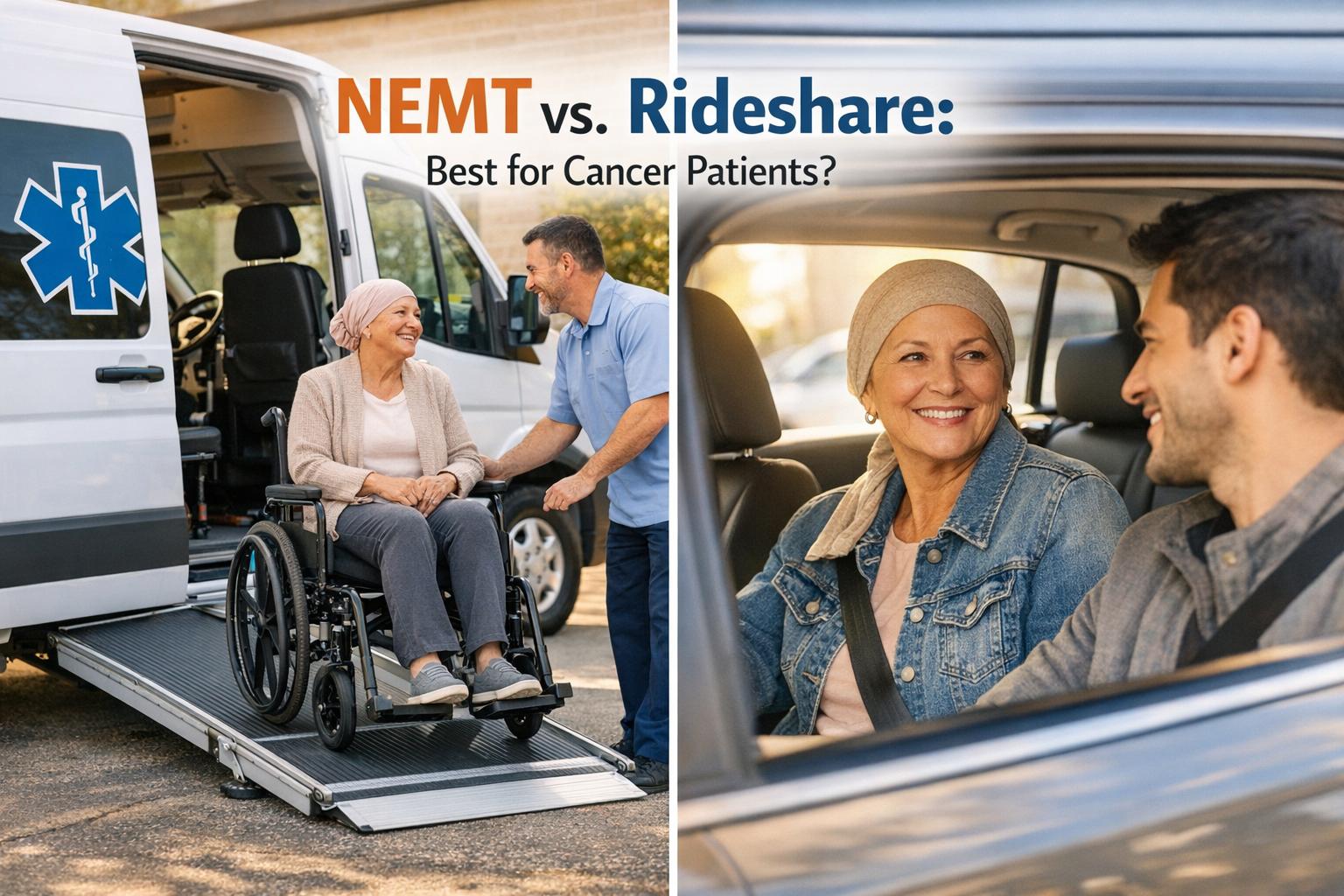
Transportation can be a major challenge for seniors, impacting their safety, independence, and emotional well-being. Many older adults face physical difficulties like mobility issues, cognitive challenges such as memory problems, and emotional concerns like anxiety or fear of falling. Unfortunately, traditional transportation services often fail to address these unique needs. Companion assistance offers a solution by providing physical help, cognitive support, and emotional reassurance throughout the entire journey.
Key takeaways:
- Physical challenges: Seniors may struggle with balance, using mobility aids, or managing medical equipment.
- Cognitive difficulties: Memory loss and confusion can make navigating appointments and unfamiliar locations overwhelming.
- Emotional impact: Anxiety, fear of falling, and social isolation are common among seniors without reliable transportation options.
Companion assistance ensures safer travel by offering help with vehicle transfers, steadying seniors while walking, and assisting with tasks like carrying items or navigating medical facilities. Beyond physical support, companions ease emotional stress, reduce loneliness, and help seniors maintain their dignity and independence. Services like Zyvra Mobility in Austin, Texas, exemplify how tailored transportation solutions can make a meaningful difference in seniors’ lives.
What are Transportation Resources for Seniors?
Common Transportation Difficulties for Seniors
Navigating transportation can be an overwhelming experience for many seniors due to physical, cognitive, and emotional challenges. These difficulties highlight the importance of tailored companion assistance to ensure safe and comfortable travel.
Physical Limitations
For seniors, reduced mobility can make every aspect of travel more challenging. Something as simple as stepping into a vehicle requires balance and strength, and without proper support, it can lead to falls – especially in situations involving slippery floors, poor lighting, or uneven surfaces.
Mobility aids like canes, walkers, or wheelchairs are often essential, but managing these devices while juggling tasks like opening doors, carrying personal belongings, or handling medical documents can become a daunting ordeal. Chronic health conditions add another layer of complexity. Seniors dealing with arthritis, heart disease, or diabetes frequently need to manage medications or transport medical equipment such as oxygen tanks, hearing aids, or blood pressure monitors during their journeys.
Cognitive and Communication Problems
Memory issues and confusion can create significant, though less visible, obstacles. Seniors may forget appointment details, struggle to locate the right building or floor, or feel disoriented in large, unfamiliar facilities. Following multi-step directions can quickly become overwhelming, especially when combined with the stress of attending an appointment.
Communication hurdles further complicate matters. Hearing loss and slower processing of information can make it difficult for seniors to understand verbal instructions or effectively communicate with drivers and medical staff. These challenges often lead to misunderstandings, delays, and heightened anxiety.
Emotional and Social Issues
Transportation difficulties don’t just affect logistics – they have a profound emotional impact, often diminishing a senior’s quality of life. Lack of reliable transportation is a major factor in social isolation, with nearly 1 in 3 seniors going two weeks or more without interacting with others. When leaving the house feels risky or difficult, many seniors withdraw from social activities, community events, and even family gatherings.
The effects of this isolation are severe. Seniors with limited transportation options engage in 65% fewer social activities. Furthermore, social isolation is linked to a 50% higher risk of dementia and a 29% higher risk of heart disease. Loneliness also weighs heavily on mental health, with nearly 1 in 5 seniors reporting its impact, creating a vicious cycle where isolation leads to depression, which then further reduces motivation to stay engaged.
Anxiety and fear are common companions for seniors during travel. Many worry about falling during transfers, missing appointments due to unreliable transportation, or feeling like a burden to their families. For those who have recently stopped driving, the loss of independence can be especially devastating. Studies show that seniors in this situation experience depressive symptoms at nearly three times the rate of their peers.
Embarrassment about needing help can also discourage seniors from asking for assistance, even when it means missing essential medical care. In fact, 11% of seniors skipped necessary medical appointments in the past year due to a lack of support. This reluctance to ask for help underscores the emotional toll transportation challenges take on their dignity and self-worth.
The statistics tell a sobering story: in 2023, 1 in 5 seniors reported feeling more depressed than the year before, with health concerns being the leading cause of their anxiety and depression at 35%. Additionally, 26% of seniors identified a lack of support as a key barrier to maintaining their independence. These numbers illustrate how transportation issues extend far beyond practical concerns, deeply affecting emotional well-being and quality of life.
"Social isolation due to lack of transportation can have an equally negative effect on health and mental health."
– National Aging and Disability Transportation Center (NADTC)
These challenges emphasize the critical role of companion assistance in providing not just safe transportation, but also a sense of dignity and emotional support for seniors.
How Companion Assistance Addresses Transportation Problems
Companion assistance reshapes senior transportation by addressing physical, cognitive, and emotional challenges, offering personalized support that ensures safer, more comfortable, and dignified travel experiences.
Improving Safety and Reducing Risks
Safety starts the moment a senior steps out of their home. Professional companion drivers provide door-to-door assistance, helping seniors navigate potential hazards like stairs, thresholds, and uneven surfaces – key areas where falls often occur. For context, millions of adults over 65 experience falls each year, leading to serious injuries and even fatalities.
Unlike typical transportation services, companion drivers are trained specifically to meet seniors’ needs. They provide steady support during vehicle transfers and assist with mobility aids, such as walkers, wheelchairs, or canes, ensuring every movement remains secure. They also accommodate special requirements, including access to wheelchair-friendly vehicles.
Companions continuously monitor seniors for signs of distress or health concerns, ready to contact emergency services if necessary. Many services also keep families informed with updates about their loved one’s condition. This level of attention is particularly important for seniors with vision or hearing impairments, allowing them to stay mobile and independent instead of feeling confined at home. Beyond physical safety, companions also help seniors manage the often-overwhelming logistics of travel.
Offering Practical and Cognitive Help
Companions provide much more than just transportation – they offer practical help that simplifies every step of the journey. For example, they assist with checking in at medical facilities, navigating complex building layouts, and finding the right departments. For seniors who may misplace important items, companions help organize medical documents, insurance cards, and IDs, ensuring everything is in order.
Companions also deliver cognitive support by reminding seniors about appointment times, medication instructions, and follow-up care. This is particularly valuable for those managing intricate medical schedules or juggling multiple prescriptions. During errands or shopping trips, they lend a hand by carrying bags, assisting with purchases, and navigating crowded environments.
Professionally trained companions stay by a senior’s side throughout the entire outing. Whether it’s a medical appointment or a procedure, they ensure that any new medications or equipment are handled safely once the senior returns home. This comprehensive care not only maintains a senior’s independence but also preserves their dignity.
Providing Emotional Comfort and Reassurance
Companion assistance doesn’t just address physical and logistical challenges – it also tackles the emotional hurdles of travel. For seniors who feel anxious about leaving home or experience isolation, having a friendly, familiar presence can make a world of difference. With a companion by their side, seniors can focus on the purpose of their trip instead of worrying about potential risks.
Companions engage in meaningful conversations during rides, creating moments of social connection that help combat loneliness. These interactions make trips more enjoyable and contribute to emotional well-being, reducing the risk of anxiety and depression. For seniors who feel self-conscious about needing help or worry about burdening family members, a professional companion offers judgment-free support, fostering a sense of respect and dignity.
The emotional benefits extend to families as well, who gain peace of mind knowing their loved ones are in capable hands. Companions are trained to handle emergencies and keep families updated in real time. With background checks and specialized training in senior care, companion drivers provide a level of professionalism and accountability that traditional ride services simply can’t match. This approach ensures that seniors feel valued and secure throughout every journey.
sbb-itb-8e5d2ef
Benefits of Companion Assistance in Transportation
Companion assistance addresses the physical, cognitive, and emotional challenges that can make transportation difficult for seniors. With this support, transportation becomes a source of stability, helping older adults maintain access to healthcare, stay connected to their communities, and preserve their independence.
Better Safety and Accident Prevention
Companion assistance significantly enhances safety during transit. In the United States, 5.8 million people annually miss or delay healthcare because they lack access to safe, reliable transportation. Companion services bridge this gap by offering the physical support seniors need to travel safely.
Falls are a major risk for seniors during transportation, but professional companions help mitigate this danger. They provide steady support at every stage of the journey, from leaving the house to getting in and out of vehicles. Trained to identify hazards like wet floors, dim lighting, or uneven surfaces, companions also ensure the proper use of mobility aids.
The door-through-door approach is especially effective, offering continuous assistance from the senior’s home to their destination and back again. This method significantly reduces risks, a critical benefit given that 35% of individuals over 50 report difficulty rising from a chair.
By consistently working with the same individual, companions can better understand a senior’s specific mobility needs and alert care teams to potential hazards in the home, creating a more comprehensive safety system. Beyond safety, these measures also make travel more comfortable.
Greater Comfort and Less Stress
Companion assistance turns what might be a stressful journey into a supportive experience. Unlike hurried ride services, companions adjust to the senior’s pace and calmly address any delays, allowing the individual to focus on their well-being.
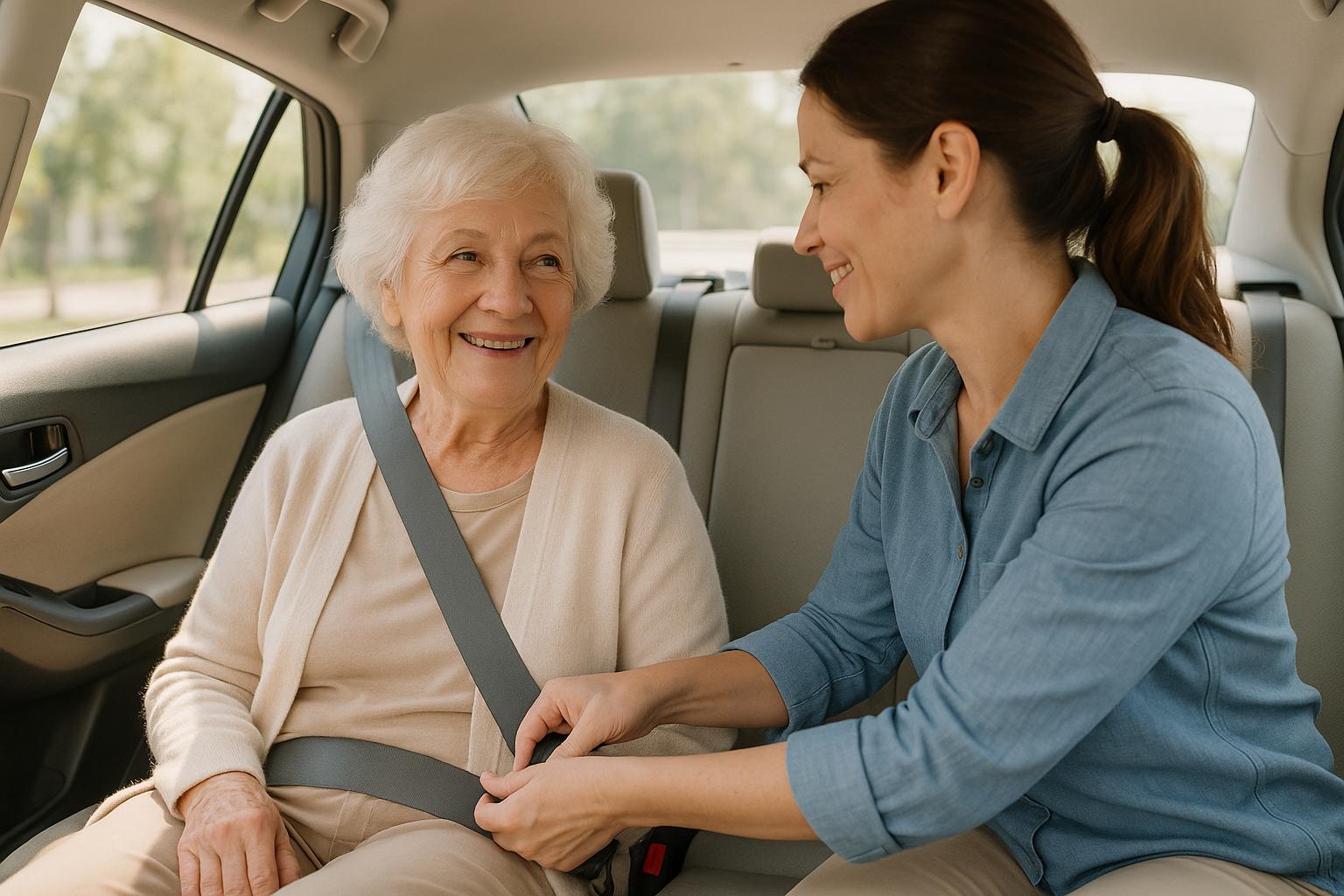
Simple adjustments make a big difference. Companions help with tasks like adjusting seats, managing temperature controls, and ensuring seat belts are properly fitted to avoid discomfort. For seniors dealing with arthritis or joint pain, these small accommodations are particularly valuable.
The social interaction provided during the ride also helps alleviate feelings of isolation, creating a more positive experience, even when traveling for medical appointments. For example, services like Zyvra Mobility in Austin, Texas, showcase how professional drivers can go beyond transportation by offering patience, answering questions about routes, and providing a friendly presence during what might otherwise feel overwhelming.
This combination of comfort and care reinforces a senior’s sense of autonomy.
Maintaining Dignity and Independence
Companion services not only improve safety and comfort but also help seniors maintain their dignity and independence. Many older adults hesitate to ask family members for help, fearing they’ll become a burden. Professional services offer a respectful alternative, allowing seniors to handle appointments and errands with confidence.
Companions approach their role with care, always asking for permission before offering assistance. This ensures that support is delivered in a way that respects the senior’s autonomy. By enabling older adults to manage their schedules and social activities independently, companions help reduce feelings of dependence.
These services also play a vital role in helping seniors age in place. Reliable access to medical appointments, prescription pickups, grocery shopping, and social events ensures that older adults can remain active and engaged in their communities. By preserving dignity throughout each journey, companion assistance contributes to a better quality of life for seniors.
Adding Companion Assistance to Senior Transportation Plans
Incorporating companion assistance into senior transportation plans involves coordinating efforts among families, caregivers, and healthcare providers to ensure that every trip is safe and stress-free. This approach goes beyond basic transportation services, addressing seniors’ physical, cognitive, and emotional needs. Below are practical strategies to integrate companion assistance effectively.
Working with Non-Emergency Medical Transportation (NEMT)
Non-emergency medical transportation (NEMT) services are a lifeline for seniors who require more than just a ride. For example, Zyvra Mobility in Austin, Texas, provides companion-style assistance by pairing seniors with consistent drivers and identifying high-risk patients who may otherwise miss critical appointments. Healthcare providers play a vital role in connecting seniors to these services, starting with identifying individuals who face transportation challenges and helping them enroll in programs tailored to their needs.
Building partnerships with specialized NEMT providers ensures seamless care. Regular driver–rider pairings foster trust and allow for personalized attention, such as accommodating specific medical conditions like dialysis patients needing extra care around fistula sites. Additionally, companion drivers can provide valuable insights by observing changes in a senior’s health or living conditions. Establishing a system to relay these observations to caregivers or healthcare providers enhances the overall support network.
Providing Complete Door-to-Door and Door-Through-Door Support
The level of assistance provided during transit can make all the difference in a senior’s experience. While door-to-door service ensures seniors are dropped off at their destination, door-through-door support takes it a step further by offering continuous help from the moment they leave home until they are safely inside their destination – and back again. Achieving this level of care requires clear communication between families, caregivers, and transportation providers to address specific mobility and cognitive needs.
For seniors with significant mobility challenges or cognitive impairments, having a companion throughout the journey can prevent confusion, manage unexpected situations, and facilitate communication with medical staff. Families should outline the exact assistance required, whether it’s helping a senior prepare to leave home, waiting during appointments, or picking up prescriptions. Consistent pickup routines and clear communication help reduce stress and provide peace of mind.
Using Professional Training in Senior Transportation
The effectiveness of companion assistance often depends on the training and resources available to drivers. Professional NEMT services prioritize specialized training to ensure drivers can handle the unique challenges of transporting seniors safely and respectfully. ADA-compliant vehicles equipped with hydraulic lifts, secure restraints, and spacious interiors further enhance safety and comfort.
Trained drivers are skilled in providing physical support, such as helping seniors stand, walk, or transfer from a wheelchair to a vehicle seat, minimizing the risk of injury. Beyond physical assistance, they are also sensitive to signs of cognitive decline or distress. By adapting their communication – speaking clearly, patiently, and with reassurance – they create a supportive environment that transforms a simple ride into a meaningful experience.
Advanced scheduling technology adds another layer of reliability. These systems allow families and healthcare providers to book rides in advance, track vehicles in real time, and receive updates about pickup and drop-off times. With strong HIPAA compliance and strict privacy measures, professional NEMT services ensure sensitive health information remains secure. When evaluating transportation options, families should ask about driver training, vehicle features, and scheduling tools. By combining professional training, proper equipment, and thoughtful service, senior transportation can become a cornerstone of independence, safety, and well-being.
Conclusion
Companion assistance is reshaping senior transportation by addressing physical, cognitive, and emotional hurdles. From helping with mobility and transfers to clarifying appointment details and easing travel-related anxiety, it plays a key role in ensuring a smoother journey for older adults.
This service enhances safety by preventing falls, managing mobility aids, and ensuring secure transfers. Beyond physical support, it also reduces stress, preserves dignity, and allows seniors to attend medical appointments and social activities with greater ease.
To fully realize these benefits, a well-coordinated approach is essential. Successful integration of companion assistance involves collaboration among families, healthcare providers, and NEMT (Non-Emergency Medical Transportation) services. A comprehensive model – featuring professionally trained drivers, ADA-compliant vehicles, door-to-door assistance, and advanced scheduling – helps create a transportation system that seniors can trust and rely on.
When selecting transportation services, families should prioritize providers that view companion assistance as a fundamental part of their offerings. For example, Zyvra Mobility in Austin, Texas, delivers NEMT services with built-in companion support, ensuring seniors travel safely and with dignity while maintaining their independence.
FAQs
What are the key benefits of having a companion assist seniors during travel?
Companion assistance provides seniors with tailored support that extends far beyond simply getting from point A to point B. It prioritizes safety by offering help with mobility tasks, like getting in and out of vehicles, and ensures the journey is as comfortable as possible. On top of that, having a companion during travel can offer emotional comfort, easing the stress or anxiety that often comes with traveling.
For seniors dealing with medical or physical challenges, companion assistance can cater to individual needs, making the trip smoother and more enjoyable. This thoughtful approach transforms transit into a safer, more comfortable, and less daunting experience for older adults.
How can families and caregivers include companion assistance in a senior’s transportation routine?
Integrating a companion into a senior’s transportation routine can make a world of difference in terms of safety, comfort, and emotional well-being. To start, it’s important to plan ahead – understand their schedule and specific transportation needs. This allows you to choose options that are safe and reliable, such as vehicles equipped with ADA-compliant features to support mobility challenges.
Keep routes simple and trips short to help avoid unnecessary fatigue. Make sure the companion knows how to use essential safety features, like seatbelts or wheelchair restraints, and consider bringing communication tools to stay connected throughout the journey. These thoughtful steps can go a long way in making travel easier and more enjoyable for seniors.
What should families consider when choosing a companion driver for senior transportation?
When choosing a companion driver for seniors, families should focus on finding someone with a valid driver’s license, a spotless driving record, and experience in assisting older adults. Safety is key, so it’s wise to select drivers who have passed background checks and are trained in first aid or CPR.
A good companion driver should also bring patience, empathy, and professionalism to the role, helping seniors feel at ease during their trips. For those in the Austin, Texas area, services like Zyvra Mobility provide trained drivers and ADA-compliant vehicles to cater to these specific needs.