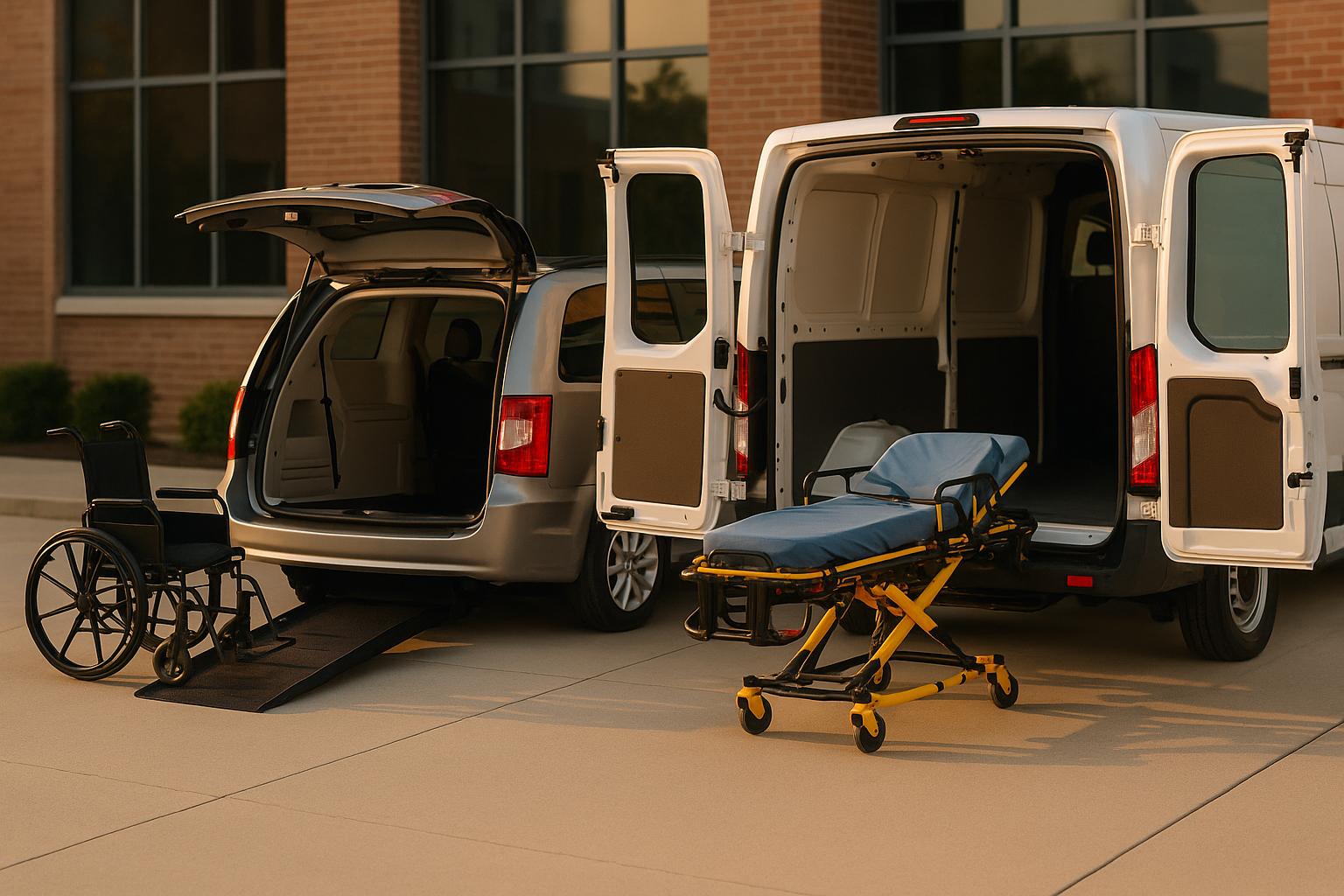
When selecting vehicles for Non-Emergency Medical Transportation (NEMT), the priority is safety, comfort, and compliance with accessibility standards. Whether you’re transporting patients in wheelchairs or stretchers, the right vehicle ensures a secure, smooth ride while meeting ADA requirements. Here’s a breakdown of the top options:
Key Takeaways:
- Minivans (Toyota Sienna, Honda Odyssey, Dodge Grand Caravan): Compact, fuel-efficient, and ideal for single-patient transport in urban areas.
- Full-Size Vans (Ford Transit, Mercedes-Benz Sprinter, Chevrolet Express/GMC Savana): Spacious, customizable, and suitable for multiple patients or long-distance trips.
- ADA Compliance: All vehicles can be modified to meet accessibility standards, with features like ramps, lifts, and securement systems.
- Cost Considerations: Prices vary significantly based on size, features, and conversion needs, ranging from $11,000 for used minivans to $130,000 for fully converted full-size vans.
Quick Comparison:
| Vehicle | Best For | Capacity | Starting Price | Fuel Economy |
|---|---|---|---|---|
| Toyota Sienna | Urban wheelchair transport | 1-2 wheelchairs | $20,000-$85,000 | ~36 MPG (Hybrid) |
| Dodge Grand Caravan | Budget-friendly wheelchair use | 1-2 wheelchairs | $11,000-$35,000 | ~21 MPG |
| Honda Odyssey | Reliable, smooth rides | 1-2 wheelchairs | $19,000-$60,000 | ~22 MPG |
| Ford Transit | Multiple patients/stretcher use | 2-4 wheelchairs or stretchers | $40,000-$100,000 | ~16 MPG |
| Mercedes-Benz Sprinter | Premium multi-patient transport | 2-6 wheelchairs or stretchers | $55,000-$130,000 | ~20 MPG (Diesel) |
| Chevrolet Express/GMC Savana | Durable, straightforward design | 2-4 wheelchairs or stretchers | $30,000-$70,000 | ~14 MPG |
Summary:
Minivans are compact and economical for single-patient trips, while full-size vans offer the space needed for multiple passengers or stretchers. Consider your budget, typical routes, and patient needs when selecting a vehicle. Fuel efficiency, conversion costs, and ADA-compliant features are critical factors to ensure reliable, safe, and comfortable transportation.
Honda Odyssey vs Toyota Sienna Wheelchair Van – Exterior Walk Around
1. Toyota Sienna
The Toyota Sienna stands out as a practical and versatile choice for Non-Emergency Medical Transportation (NEMT) providers. Known for its spacious interior, this vehicle has become a go-to option for those needing reliable wheelchair and stretcher transport solutions in the NEMT industry. Its design also makes it well-suited for essential ADA modifications.
ADA Compliance and Accessibility Features
With the right modifications, the Toyota Sienna can meet ADA standards, making it accessible for individuals with mobility challenges. Companies like Freedom Motors USA specialize in converting this vehicle to accommodate wheelchairs, stretchers, and gurneys. For example, a full-cut floor conversion provides the necessary clearance for proper stretcher placement. One standout feature is the Superwide 48" rear ramp, which is designed to handle a variety of wheelchair sizes and stretchers or gurneys with ease.
Interior Flexibility and Capacity
The Toyota Sienna’s interior is designed with flexibility in mind. In its standard configuration, it can seat up to 8 passengers or accommodate 2 wheelchairs. This setup is especially useful for transporting multiple patients or a patient traveling with family members. Modifications also allow wheelchairs to be positioned in either the second or third row, making it possible to transport up to two wheelchairs at once. This flexibility ensures that NEMT providers can adapt the vehicle layout to meet their specific daily needs.
2. Dodge Grand Caravan
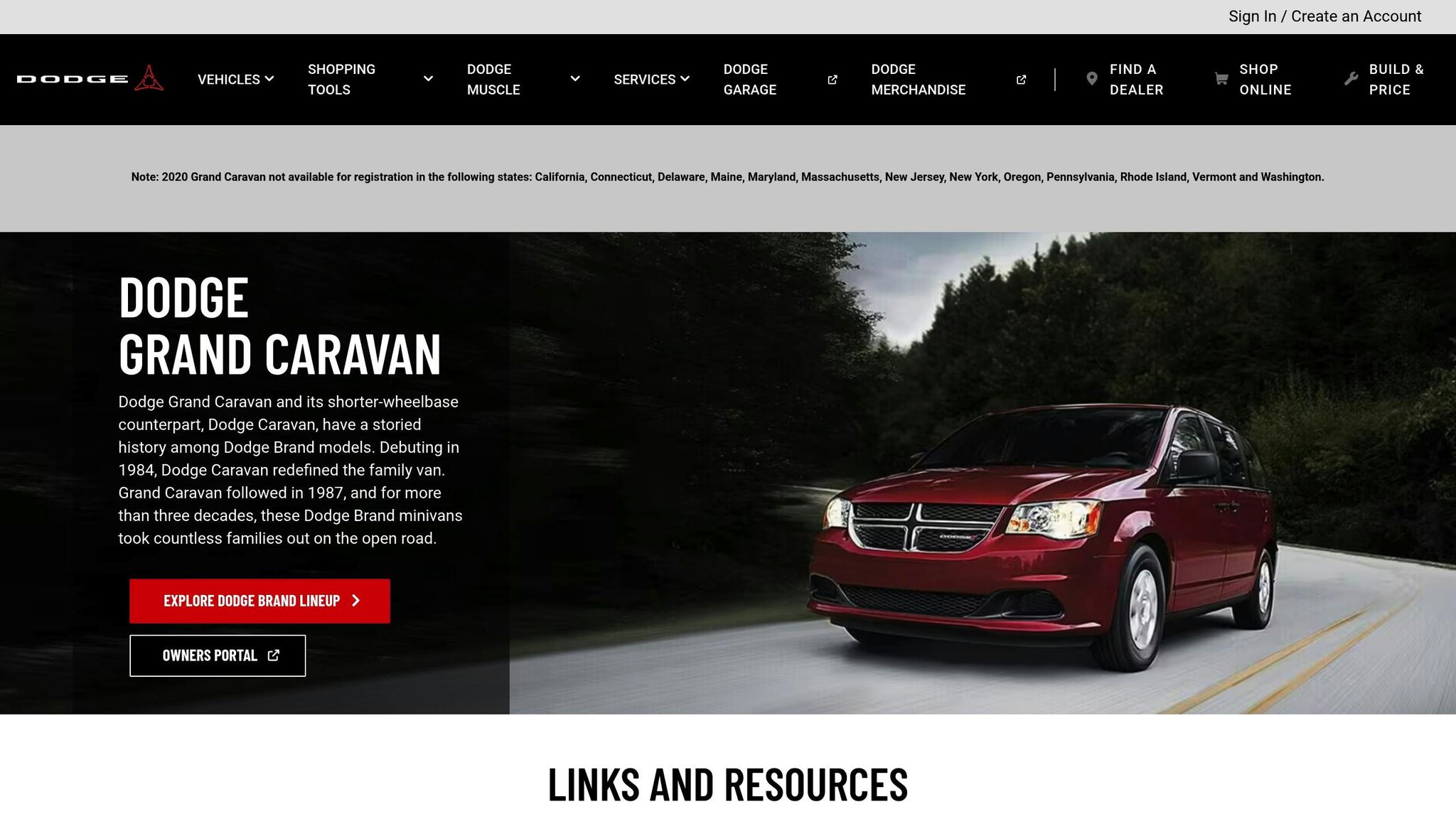
The Dodge Grand Caravan has long been a popular choice for Non-Emergency Medical Transportation (NEMT) fleets. Manufactured from 1984 until 2020, this minivan offers a combination of affordability and practicality. In its later years, it was sold exclusively for fleet use, further cementing its role in commercial transportation.
ADA Compliance and Accessibility Features
With flat floors, dual doors, and a 56-inch sliding door, the Grand Caravan is well-suited for ramp installations and wheelchair accessibility. These features make it easier for passengers with mobility challenges to board and exit the vehicle. Additionally, the 3-zone climate control system ensures a comfortable ride for all passengers. Minivans like the Grand Caravan are among the most affordable options for installing either manual or automatic ramps. Its Consumer Score of 78/100 highlights its dependability and relatively low maintenance needs. These practical design elements make it a versatile choice for NEMT providers.
Interior Flexibility and Capacity
The Grand Caravan’s interior can seat up to seven passengers in its standard configuration, but it can also be converted to accommodate up to two wheelchairs. This adaptability allows providers to transport patients along with family members or multiple wheelchair users, offering a balance between comfort and efficiency. However, while the vehicle is ideal for wheelchair transport, its interior space is not suitable for stretcher conversions, which may limit its use for certain types of medical transport.
Conversion Options and Compatibility
Conversion shops can easily modify the Grand Caravan to meet NEMT requirements, making it one of the most economical choices for wheelchair ramp installations. Its 3.6-liter Pentastar V6 engine provides about 21 MPG in combined fuel economy, offering a practical mix of power and efficiency. This makes the vehicle a reliable option for fleets looking to manage operating costs without sacrificing performance.
Cost and Operating Efficiency
Fully converted models from 2015 to 2019 typically range in price from $20,000 to $35,000. Meanwhile, unconverted models – those less than seven years old with under 100,000 miles – average around $11,000. This affordability, combined with low conversion and maintenance costs, makes the Grand Caravan a solid choice for smaller NEMT fleets focused on wheelchair transport. Its cost-effectiveness aligns well with the operational needs of budget-conscious providers.
3. Honda Odyssey
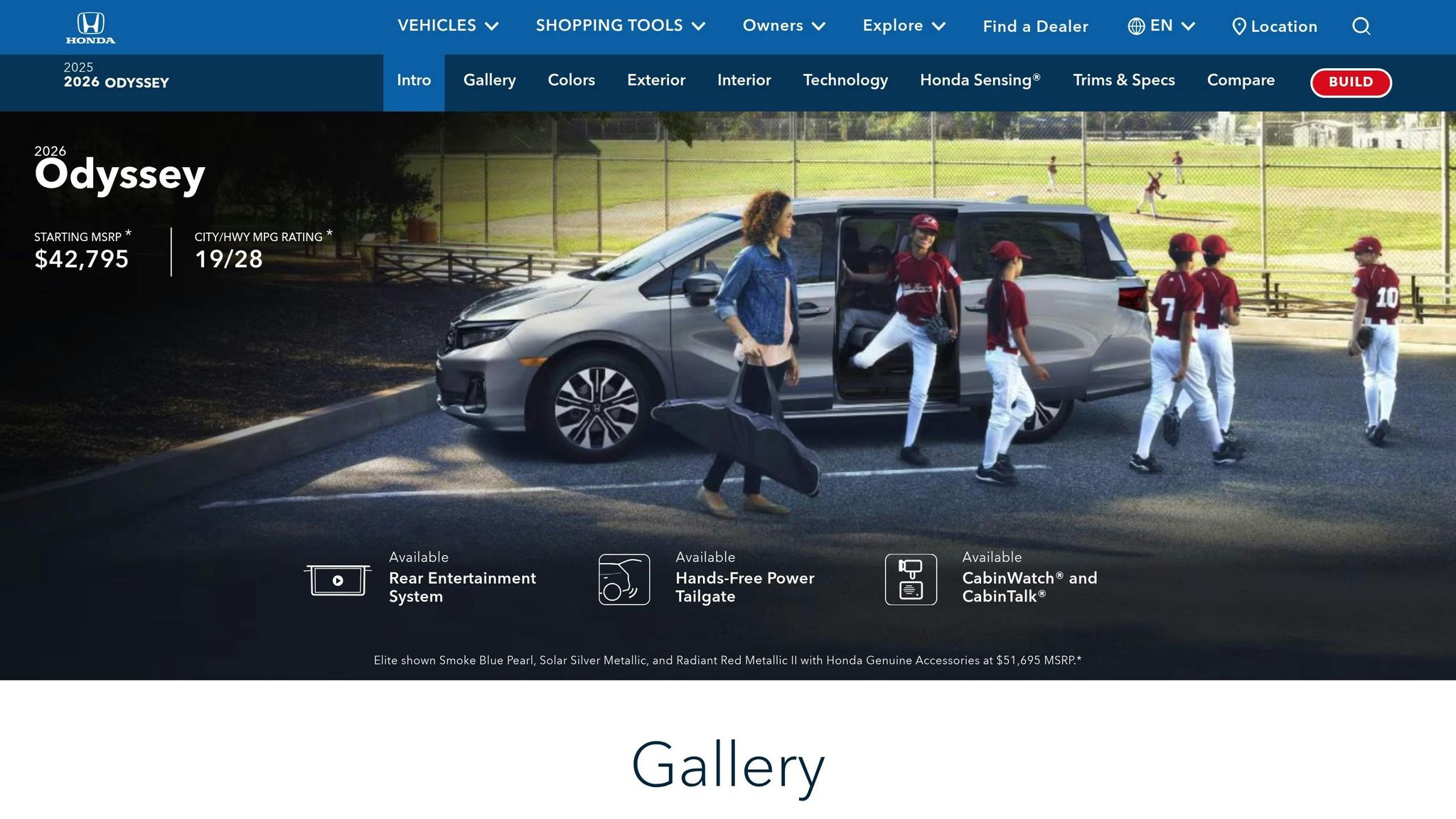
The Honda Odyssey stands out as a practical choice for non-emergency medical transportation (NEMT). Known for its smooth handling, reliable performance, and comfortable ride, this minivan has earned a Consumer Score of 74 to 80 out of 100, reflecting its strong appeal in this sector. Its combination of performance and versatility makes it a popular option for NEMT operators.
ADA Compliance and Accessibility Features
The Odyssey is a great candidate for ADA-compliant conversions. Its wide entryway and securement system meet ADA standards, making it accessible for passengers with mobility challenges. The standard tri-zone climate control ensures that everyone onboard enjoys a comfortable journey, regardless of the weather.
One of the standout features is the adjustable second-row seats, which can be reconfigured to accommodate wheelchairs without sacrificing passenger comfort. Additionally, the Honda Sensing safety suite and a power liftgate simplify the process of loading and unloading passengers, enhancing both convenience and functionality.
Interior Flexibility and Capacity
Once converted, the Honda Odyssey can transport up to two wheelchair passengers, alongside additional seating for other passengers. The interior is designed to support both manual and automatic wheelchair ramp installations, providing flexibility for different needs. However, when modified to accommodate a gurney, the interior space becomes quite cramped, making full-size vans a better option for stretcher transport.
Conversion Options and Compatibility
The Odyssey’s design makes it highly adaptable for NEMT requirements. It supports both manual and automatic ramp systems, allowing operators to choose based on their specific needs. Powered by a 3.6-liter V6 engine, it achieves a combined fuel economy of around 22 MPG, which is efficient for daily operations. Notably, factory-installed features like in-car entertainment systems and advanced safety technologies remain functional even after conversion, adding extra value.
Cost and Operating Efficiency
The cost of a Honda Odyssey depends on factors like its condition and whether it has been converted. New, unconverted models start at an MSRP of $41,920, while fully converted versions range between $55,000 and $85,000. For those looking at used options, fully converted models from 2015 to 2019 typically cost between $40,000 and $60,000. Meanwhile, unconverted used models – around seven years old with fewer than 100,000 miles – can be found starting at approximately $19,000.
This range of pricing offers flexibility for NEMT operators to align with their budgets and fleet needs. Additionally, the Odyssey’s dependable performance and fuel economy of 22 MPG help keep long-term operating costs manageable.
4. Ford Transit
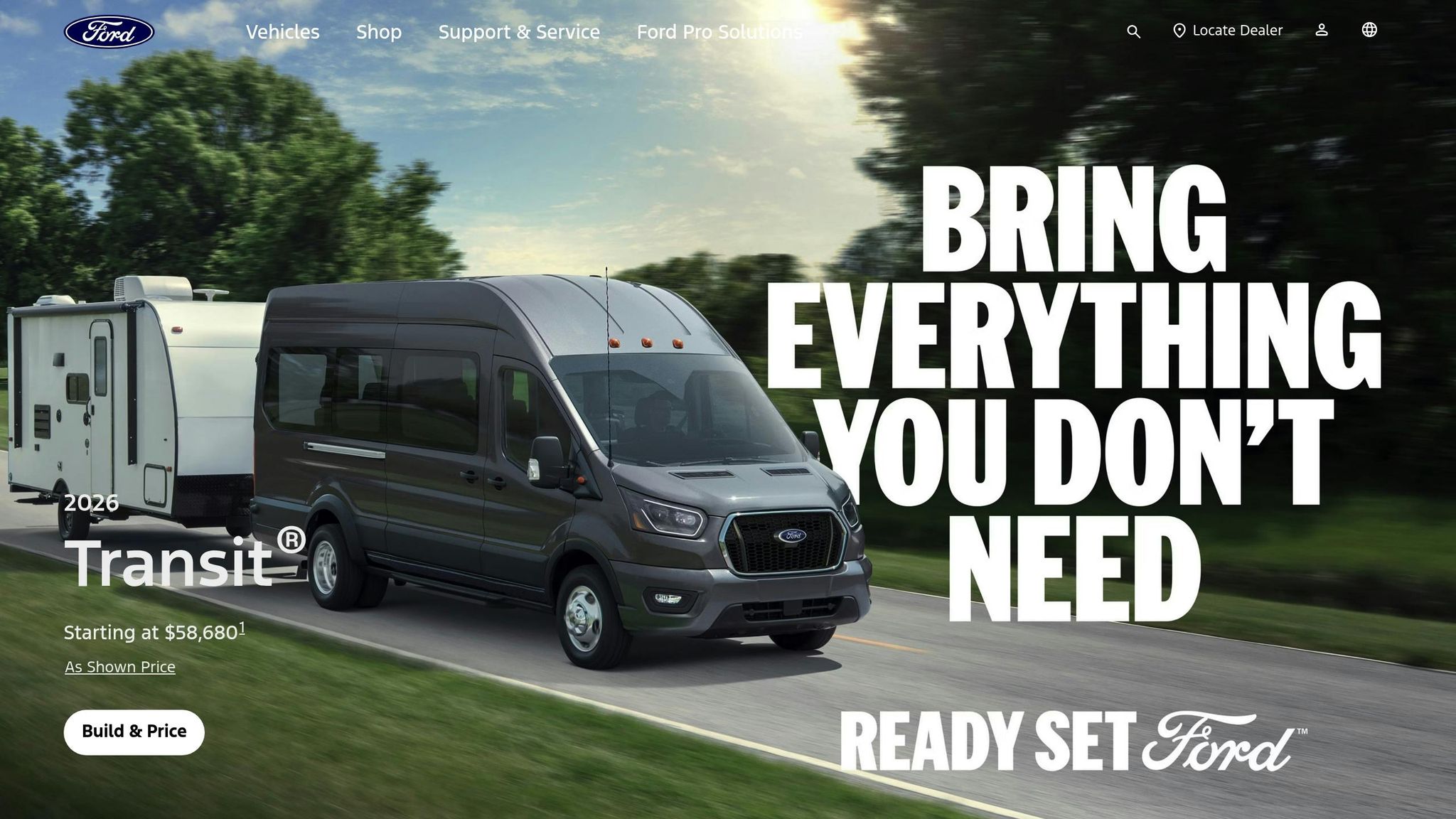
The Ford Transit is purpose-built to handle wheelchair and stretcher transport with ease. With a variety of wheelbase lengths and roof heights, it offers plenty of options to meet diverse operational needs. This thoughtful design ensures accessibility is a top priority.
ADA Compliance and Accessibility Features
The Ford Transit ambulette is designed to meet ADA standards, providing generous interior space and sufficient height clearance to make boarding safe and comfortable for every passenger. Its modular flooring system allows for customizable layouts, making it easy to reconfigure seating arrangements to accommodate both wheelchairs and stretchers as needed.
Interior Flexibility and Capacity
Inside, the Ford Transit is designed for versatility. It can accommodate various passenger setups, including space for up to two wheelchairs and five ambulatory passengers. With multiple roof height and wheelbase options, operators can choose the configuration that best fits their stretcher transport requirements.
Conversion Options and Compatibility
The Transit’s flexible interior becomes even more functional with specialized conversion packages. These packages are tailored to ensure secure and efficient loading of both wheelchairs and stretchers, enhancing its usability for medical transport purposes.
sbb-itb-8e5d2ef
5. Mercedes-Benz Sprinter

The Mercedes-Benz Sprinter has built a reputation as a top-tier option for Non-Emergency Medical Transportation (NEMT), blending advanced engineering with a design that’s easy to adapt. With its spacious interior and conversion-friendly platform, it’s a go-to choice for wheelchair and stretcher transport, setting a high standard for comfort and functionality.
ADA Compliance and Accessibility Features
The Sprinter is packed with features designed to make transportation smoother and more accessible. It includes an electric rear lift, allowing wheelchair users to enter and exit the vehicle without hassle. The full-length lowered floor creates a flat, level surface, making movement inside the van much easier. With 73 inches of interior headroom, there’s plenty of vertical space, ensuring wheelchair users can ride comfortably. Another thoughtful touch is the interchangeable front seats, which allow for flexible seating arrangements to meet varying operational needs.
Interior Flexibility and Capacity
Inside, the Sprinter offers a versatile layout that can be configured to accommodate between 2 and 6 wheelchair passengers, depending on the conversion. The high roof and roomy cabin provide ample space for passengers and medical staff to move comfortably during transit, making it an excellent choice for NEMT providers.
Conversion Options and Compatibility
The Sprinter’s full-size van chassis makes it ideal for a wide range of NEMT conversions, whether it’s for ambulettes, wheelchair-accessible vans, or stretcher vans. Conversion specialists can install wheelchair lifts, modular flooring, and specialized seating to meet specific needs. It’s also fully compatible with essential NEMT equipment like four-point tie-down systems, lap-shoulder belts, and stretcher mounting systems. With premium safety features, strong reliability ratings, and the option for All-Wheel Drive (AWD), the Sprinter is a dependable choice for challenging conditions.
Cost and Operating Efficiency
The Mercedes-Benz Sprinter does come with a higher price tag. Base models start between $55,000 and $80,000, and after conversion, the total cost typically ranges from $90,000 to $130,000. For those considering the electric e-Sprinter, prices are even higher. While the upfront investment is significant, the Sprinter’s reputation for reliability can help offset those costs over the long term.
6. Chevrolet Express / GMC Savana
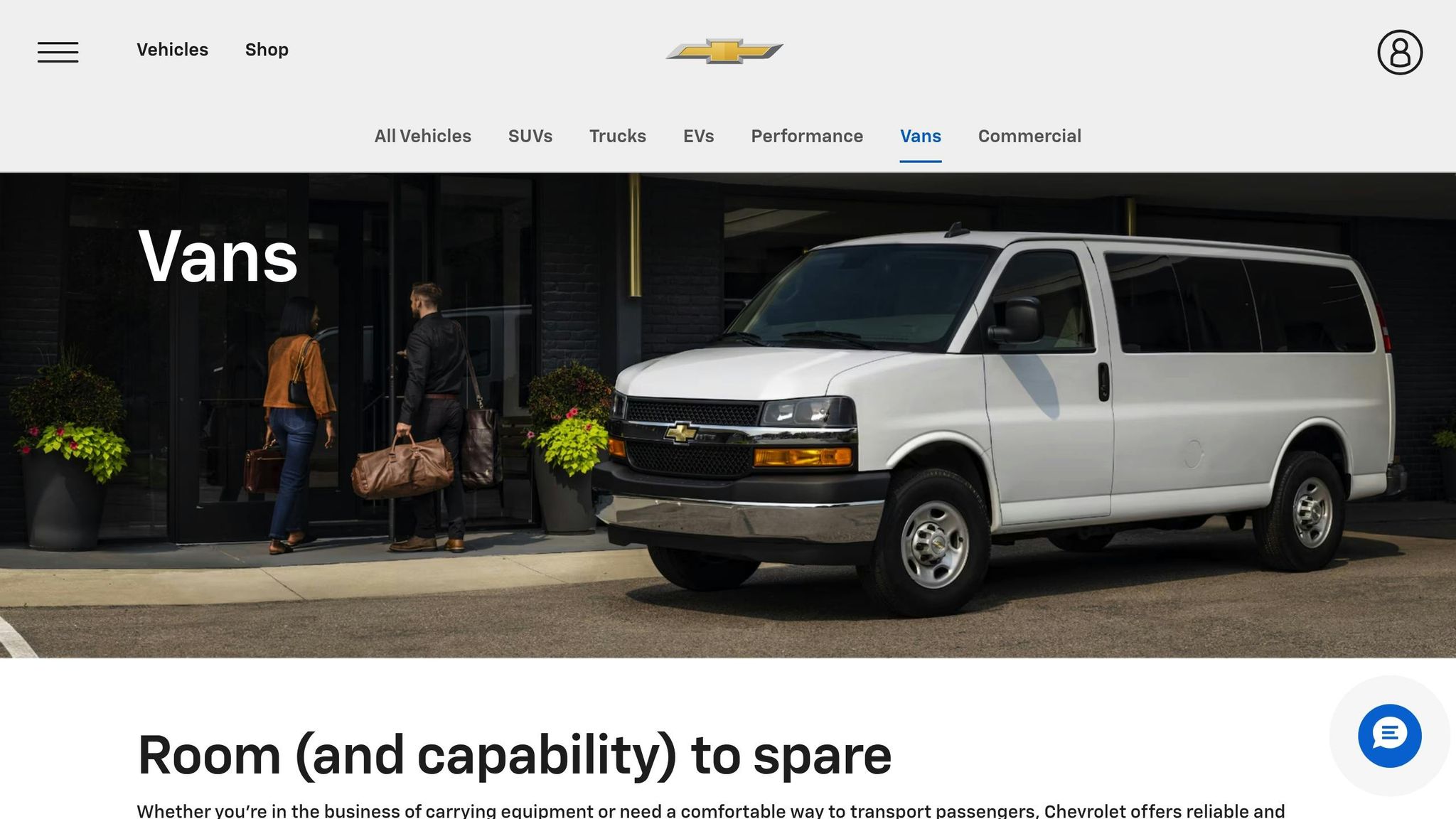
The Chevrolet Express and GMC Savana stand out as reliable full-size options for Non-Emergency Medical Transportation (NEMT). Built on a shared platform, these twin models are known for their sturdy construction and adaptability, making them ideal for both wheelchair and stretcher transport. Their design also ensures straightforward maintenance, a key factor for busy transportation services.
ADA Compliance and Accessibility Features
Both vehicles can be professionally converted to meet ADA standards, offering adjustable configurations designed to prioritize patient safety and comfort during transport.
Interior Flexibility and Capacity
With their roomy interiors, these vans offer flexible layouts that can accommodate multiple wheelchairs, a combination of wheelchairs and stretchers, or other specific needs. This adaptability makes them a practical choice for providers with diverse operational requirements.
Conversion Options and Compatibility
The Chevrolet Express and GMC Savana are built with durability in mind, making them excellent candidates for professional conversions. Their compatibility with a wide range of conversion solutions allows healthcare providers to customize the interior and accessibility features to match specific transport needs. These vehicles strike a balance between reliability and cost-effectiveness, key considerations for NEMT services.
Pros and Cons
This breakdown highlights the trade-offs each vehicle model presents for NEMT providers, helping guide decisions on the best fit for specific needs.
The Toyota Sienna stands out for its fuel efficiency and maneuverability, making it ideal for urban environments. Its all-wheel drive enhances performance in challenging weather conditions. However, its interior space is limited, accommodating only one or two wheelchairs, and the hybrid powertrain increases conversion costs.
The Dodge Grand Caravan is an affordable option with simple conversion capabilities. Its Stow ‘n Go seating allows for quick reconfiguration, but it lags behind hybrid competitors in fuel efficiency. Additionally, since it was discontinued after 2020, parts availability and resale value could pose challenges.
The Honda Odyssey offers excellent reliability and a smooth ride. Its wide sliding doors make wheelchair loading easier, and it holds strong resale value. On the downside, its higher purchase price and limited headroom for taller wheelchair users may be concerns.
The Ford Transit provides exceptional flexibility, with options for three roof heights and multiple wheelbase configurations. High-roof models allow attendants to stand comfortably and accommodate multiple stretchers or wheelchairs. However, its larger size reduces fuel efficiency and makes navigating narrow residential streets more challenging.
The Mercedes-Benz Sprinter is known for its high build quality, advanced safety features, and superior comfort during long trips. Its diesel engine delivers good fuel economy for its size. That said, it comes with a steep price tag, higher maintenance costs, and a learning curve for drivers unfamiliar with its size.
The Chevrolet Express and GMC Savana are valued for their durability and straightforward maintenance. Their body-on-frame construction handles the stress of conversions better than unibody designs, and parts are widely available at competitive prices. However, they consume more fuel and lack the modern safety features found in newer models.
| Vehicle Model | ADA Compliance | Interior Space | Conversion Options | Cost Efficiency |
|---|---|---|---|---|
| Toyota Sienna | Easily convertible | 1-2 wheelchairs | Moderate availability | High fuel economy, higher conversion costs |
| Dodge Grand Caravan | Easily convertible | 1-2 wheelchairs | Wide availability | Low purchase price, discontinued model |
| Honda Odyssey | Easily convertible | 1-2 wheelchairs | Wide availability | Higher purchase price, strong resale value |
| Ford Transit | Highly adaptable | 2-4 wheelchairs or 1-2 stretchers | Extensive options | Moderate fuel economy, versatile configurations |
| Mercedes-Benz Sprinter | Highly adaptable | 2-4 wheelchairs or 1-2 stretchers | Premium options | Highest purchase and maintenance costs |
| Chevrolet Express / GMC Savana | Highly adaptable | 2-4 wheelchairs or 1-2 stretchers | Wide availability | Lower maintenance costs, higher fuel consumption |
Minivans are best suited for single-patient transports in urban areas where fuel efficiency and parking ease are priorities. Full-size vans, on the other hand, are better for providers needing to transport multiple patients or stretchers simultaneously. Beyond the purchase price, consider factors like fuel costs, insurance rates, maintenance expenses, and the vehicle’s expected service life.
Weather also plays a role in vehicle selection. For regions with snow and ice, the Sienna’s all-wheel drive is a strong advantage. In contrast, rear-wheel drive vans may require additional winter equipment. Operational needs, such as tight hospital loading zones versus residential pickups with more parking space, also influence the ideal choice.
Conclusion
Selecting the right vehicle for stretcher and wheelchair transport comes down to understanding your service requirements and the environment in which you operate. Minivans like the Toyota Sienna, Honda Odyssey, and Dodge Grand Caravan are ideal for urban settings with narrow streets, tight parking, and frequent stops. These vehicles are especially effective for single-patient transports to medical appointments or outpatient procedures. The Toyota Sienna stands out with its hybrid system, offering better fuel efficiency – perfect for routes with multiple daily trips.
On the other hand, full-size vans such as the Ford Transit, Mercedes-Benz Sprinter, and Chevrolet Express/GMC Savana are designed for high-volume operations. These vans are better suited for transporting multiple patients at once, particularly over long distances. With spacious interiors and high-roof options, they provide the comfort and mobility required for extended trips and hospital-to-facility transfers, allowing medical staff to work more effectively during transport.
Choosing the right vehicle also impacts your bottom line and overall efficiency. A vehicle that’s too large for your typical routes can waste fuel and complicate navigation, leading to delays. Conversely, one that’s too small may result in cramped conditions or require additional trips, which can compromise patient comfort and efficiency. Weather is another factor to consider – features like the Sienna’s all-wheel drive can handle snow and ice better, while rear-wheel drive vans may need extra winter equipment.
Finally, think about the settings you frequently encounter. Tight hospital loading zones call for different vehicle specifications than spacious residential driveways. Matching vehicle features to your daily operations ensures reliable, professional transport that meets regulatory standards and patient needs. This thoughtful approach not only enhances service quality but also reinforces your commitment to providing safe, ADA-compliant non-emergency medical transportation.
FAQs
What should you consider when deciding between a minivan and a full-size van for NEMT services?
When choosing between a minivan and a full-size van for Non-Emergency Medical Transportation (NEMT), it really comes down to the specific needs of your passengers and the services you offer.
Minivans are a solid choice if you’re looking for something more economical and easy to handle. They’re perfect for curb-to-curb transport and navigating tighter spaces, making them ideal for urban areas or smaller-scale services.
If your service involves stretcher transport or regularly accommodates multiple passengers using wheelchairs, full-size vans are the way to go. They provide more interior room and can handle heavier loads, ensuring comfort and accessibility for passengers with specialized needs.
Ultimately, your decision should factor in your budget, the accessibility features you require, and the primary type of transport your service focuses on.
What are the ADA requirements for vehicles used in wheelchair and stretcher transport?
Vehicles designed for wheelchair and stretcher transport must meet ADA standards to ensure accessibility and safety. Key features include a lift or ramp that can support at least 600 pounds, a platform accommodating a wheelchair measuring 30 by 48 inches, and a door height of at least 56 inches for vehicles up to 22 feet long.
Additionally, the lift must allow wheelchair users the option to face either inboard or outboard during boarding. These specifications are essential for creating a secure and comfortable experience for passengers with mobility challenges.
What are the long-term cost benefits of using a hybrid vehicle like the Toyota Sienna for NEMT services?
Choosing a hybrid vehicle such as the Toyota Sienna for non-emergency medical transportation (NEMT) services can be a smart financial decision in the long run. Hybrid vehicles are well-regarded for their fuel efficiency, which is particularly beneficial for high-mileage operations like NEMT. Over time, this fuel efficiency translates into noticeable savings at the pump. On top of that, many hybrid models, including the Toyota Sienna, tend to require less frequent maintenance than traditional gas-powered vehicles, helping to further cut down on operational expenses.
Although hybrid vehicles often come with a higher upfront price tag, the savings on fuel and maintenance can make them a more economical choice over time. Additionally, some states and local governments offer tax breaks or rebates for hybrid vehicle purchases, which can help reduce the initial cost even more.