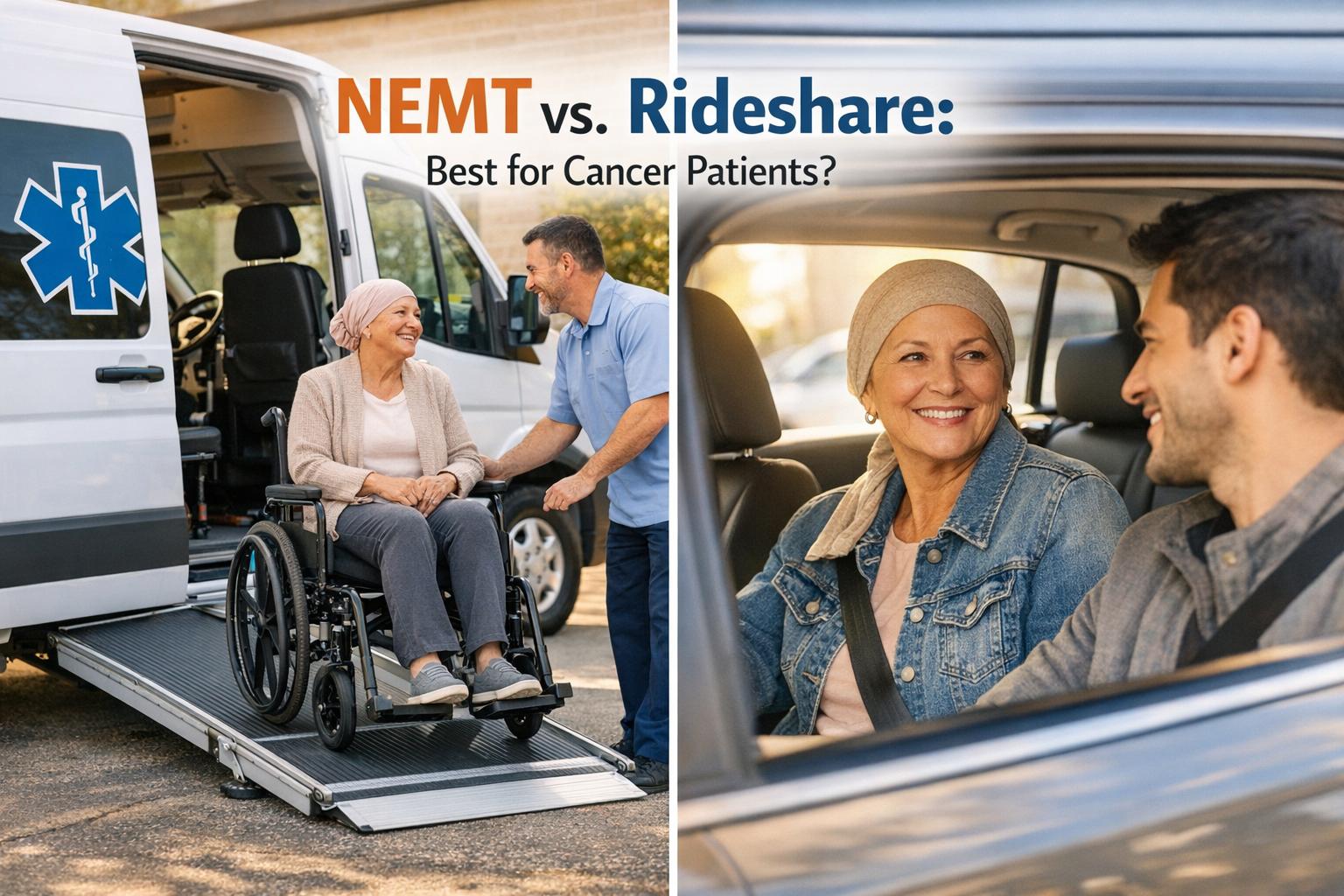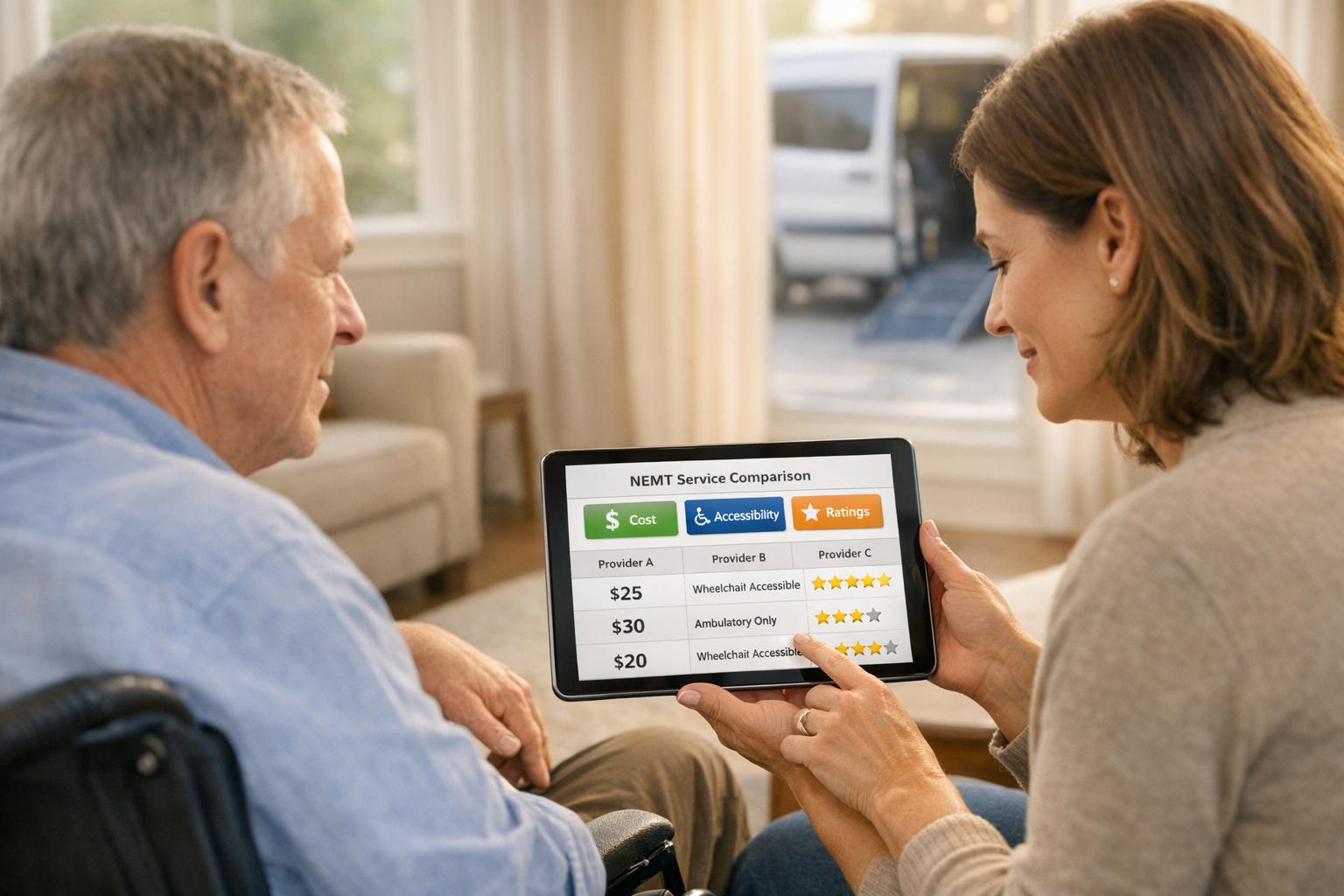
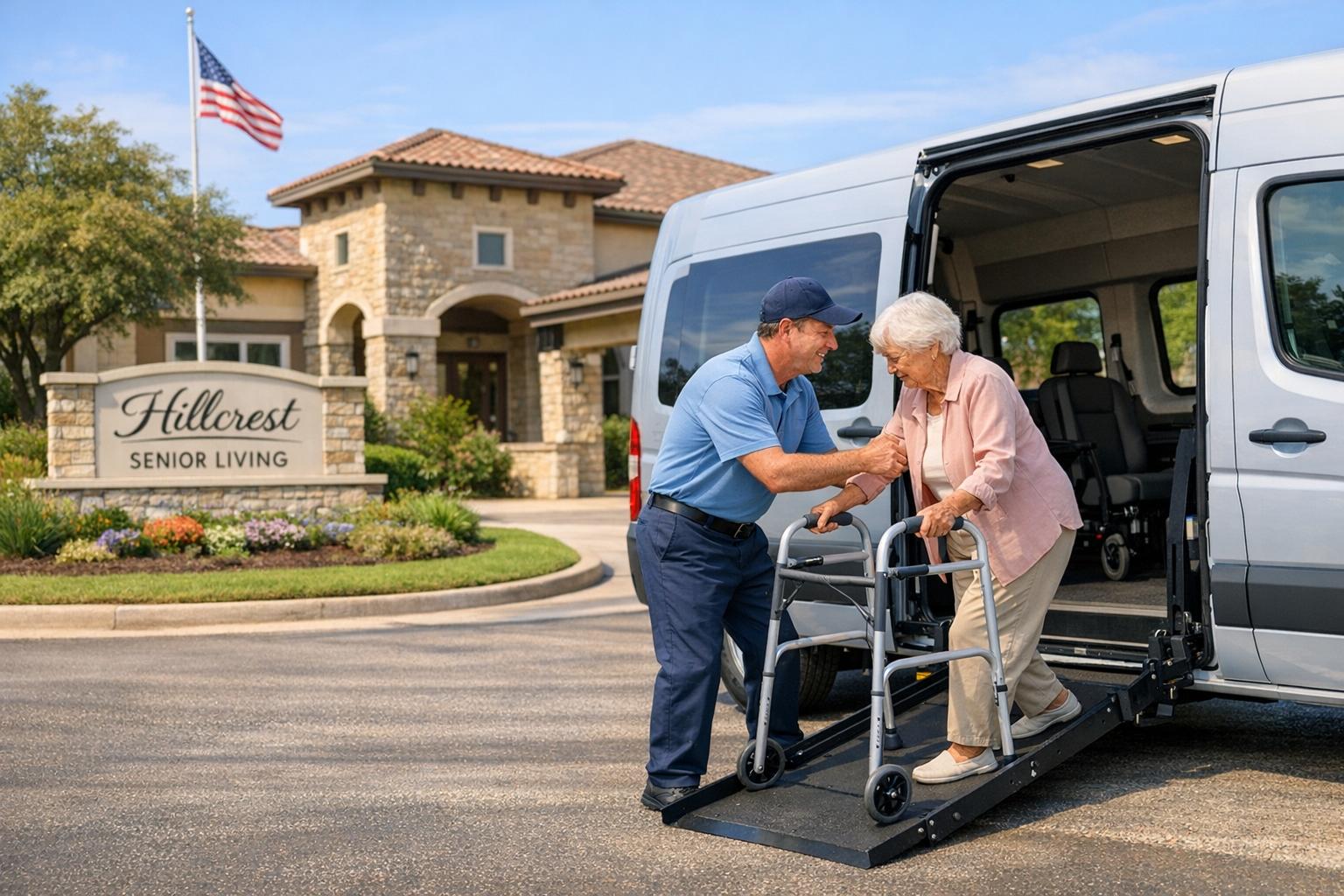
Non-Emergency Medical Transportation (NEMT) is crucial for seniors in Austin’s senior living facilities who face mobility challenges. Public transit and rideshare options often fall short, leaving seniors reliant on family or staff for transportation to medical appointments. This can lead to missed medical care, worsening health conditions, and added stress for caregivers.
Key Points:
- Seniors often need specialized vehicles (wheelchair-accessible, stretcher-equipped) and trained drivers for safe transportation.
- NEMT services provide door-to-door assistance, ensuring accessibility and safety.
- Scheduling tools and real-time tracking simplify ride coordination, improving efficiency for facilities and families.
- Reliable transportation reduces missed medical appointments, improving health outcomes and easing caregiver burden.
Zyvra Mobility addresses these challenges with a fleet of ADA-compliant vehicles, trained staff, and advanced scheduling systems, making transportation safer and more reliable for Austin’s senior community.
Transportation Problems Facing Senior Living Facilities
Inadequate Public Transit for Seniors
Austin’s public transit system falls short for seniors, especially those with mobility challenges. While Capital Metro’s MetroAccess offers curb-to-curb service, it lacks the critical door-to-door assistance many seniors need. This gap leaves older adults struggling to navigate even short distances, making the service less practical for those with significant mobility issues.
Fixed routes and rigid schedules add to the difficulty, often leading to early arrivals or missed appointments. Across the U.S., 6 million people face transportation barriers when accessing healthcare. For seniors, these barriers are compounded by physical limitations. Around 12 million Americans aged 40 and older live with vision impairments, and one in three individuals aged 65 to 74 experiences hearing loss. These conditions make it harder to communicate with drivers and navigate transit systems independently.
Ultimately, these challenges push seniors to rely on alternative arrangements.
Reliance on Family Members and Facility Staff
When public transportation falls short, the responsibility often shifts to family members and facility staff. Family caregivers are frequently forced to rearrange their schedules or miss work to ensure seniors make it to appointments. Courtney Kleiman, a caregiver, shared her struggle:
"I was fed up with needing to tell work I had to miss another work meeting to take my dad to a doctor apt. My father was at a point in his recovery where he couldn’t be left alone and my husband and I needed a break."
Facility staff face similar difficulties. Social workers and care managers spend countless hours coordinating transportation, often relying on unstable funding sources like petty cash or grants. They also deal with unreliable transportation agencies, including last-minute cancellations and no-shows, which leave them scrambling for alternatives.
The situation is even more complicated for seniors requiring specialized vehicles equipped with wheelchair lifts, ramps, or extra space for walkers – features that standard family cars lack. Additionally, seniors with Alzheimer’s or dementia often need trained supervision during transit, a level of care that family members or general staff may not be prepared to provide.
"Family members and caregivers often take on the responsibility of transporting seniors… However, balancing caregiving duties with work and personal responsibilities can be overwhelming." – Royal Transportation
This heavy burden on caregivers not only adds stress but also increases the likelihood of missed medical appointments, which can have serious health consequences.
Missed Medical Appointments and Health Consequences
The lack of reliable transportation has far-reaching effects. Each year, approximately 3.6 million Americans miss or delay medical care due to transportation challenges. For seniors, this often leads to untreated conditions and a rise in emergency room visits .
"This lack of structured oversight not only creates opportunities for instances of fraud, waste, and abuse… but it also contributes to many of the reported issues consumers face… such as late pickups, last-minute cancellations and no-shows." – Milliman White Paper
The financial strain is another major issue. Medicare typically does not cover transportation for routine medical appointments, leaving seniors on fixed incomes to choose between paying for transportation or essentials like medication. Beyond the financial burden, unreliable transit can cause stress, anxiety, and social withdrawal. Social isolation, in turn, is linked to depression and cognitive decline, further exacerbating health issues .
What Is Non-Emergency Medical Transport For Seniors?
Required Features for Senior Living NEMT Services
NEMT Vehicle Types and Equipment for Senior Transportation
ADA-Compliant Vehicles and Equipment
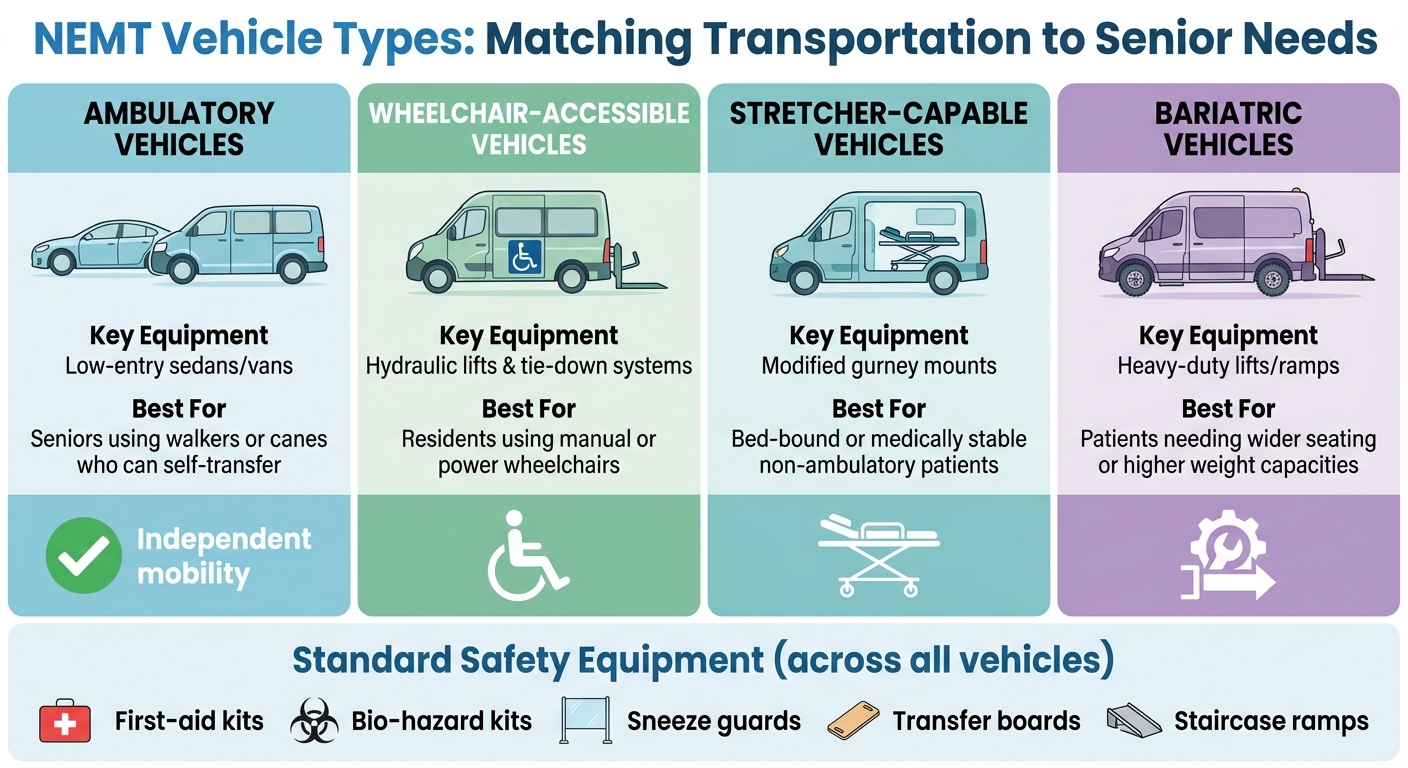
Having the right vehicles is essential for seniors with mobility challenges. Wheelchair-accessible vans must include hydraulic lifts and secure locking systems to keep wheelchairs steady during transit. For residents who are bed-bound, vehicles should be equipped to handle stretchers or gurneys with specially designed mounting systems.
To cater to a variety of needs, NEMT providers also outfit vehicles with features like transfer boards, staircase ramps, and bariatric equipment. Safety is a top priority, so items like first-aid kits, bio-hazard kits, and sneeze guards are standard to maintain infection control. For seniors who can walk with assistance, ambulatory vehicles are designed for easier entry and exit compared to regular cars [1].
| Vehicle Type | Key Equipment | Best For |
|---|---|---|
| Ambulatory | Low-entry sedans/vans | Seniors using walkers or canes who can self-transfer [1] |
| Wheelchair | Hydraulic lifts & tie-downs | Residents using manual or power wheelchairs |
| Stretcher | Modified gurney mounts | Bed-bound or medically stable non-ambulatory patients |
| Bariatric | Heavy-duty lifts/ramps | Patients needing wider seating or higher weight capacities |
Trained Drivers and Support Staff
The vehicles may be well-equipped, but it’s the staff that truly makes the difference. NEMT drivers need more than just technical skills – they must also hold CPR and First Aid certifications to handle emergencies during transport. Proper training in operating wheelchair lifts and securing mobility devices is critical to prevent accidents.
"Our compassionate drivers are trained to assist seniors while boarding. We strive to make every journey comfortable and worry-free." – Agape Love Transport
Specialized training is also required for post-procedure care. Drivers who assist disoriented seniors provide door-to-door support, which is far more comprehensive than simple curbside drop-offs [1]. To ensure passenger safety, providers conduct background checks, review driving records, and perform annual re-screenings [1]. Some Austin-based services even operate under the supervision of Registered Nurses, adding a clinical layer of expertise to transportation.
HIPAA-Compliant Scheduling and Real-Time Tracking
In addition to reliable vehicles and skilled staff, secure scheduling and real-time tracking are vital for smooth operations. Senior living facilities often deal with sensitive health information, so HIPAA-compliant platforms are essential to protect residents’ data while enabling staff to book rides on their behalf [1]. Real-time tracking allows care coordinators to monitor ride progress and receive alerts for delays or missed pickups [1].
From 2017 to 2019, a HIPAA-compliant system helped the US Veterans Health Administration reduce missed appointments for 83% of participants [1]. OneWell Health Care also reported monthly savings of $407 per participant by using centralized scheduling and tracking tools [1].
For seniors who may not use smartphones, digital dashboards simplify the process. Coordinators can arrange recurring rides for treatments like dialysis, share trip details via text or landline, and access automated reports to track transportation expenses [1]. This transparency improves appointment adherence. In fact, one study found a 20% reduction in clinical trial dropouts when reliable, tracked transportation was provided [1]. These tools help close transportation gaps, ensuring seniors receive the care they need without unnecessary delays.
How Zyvra Mobility Solves NEMT Problems for Austin Seniors
A Fleet Designed for Senior Transportation
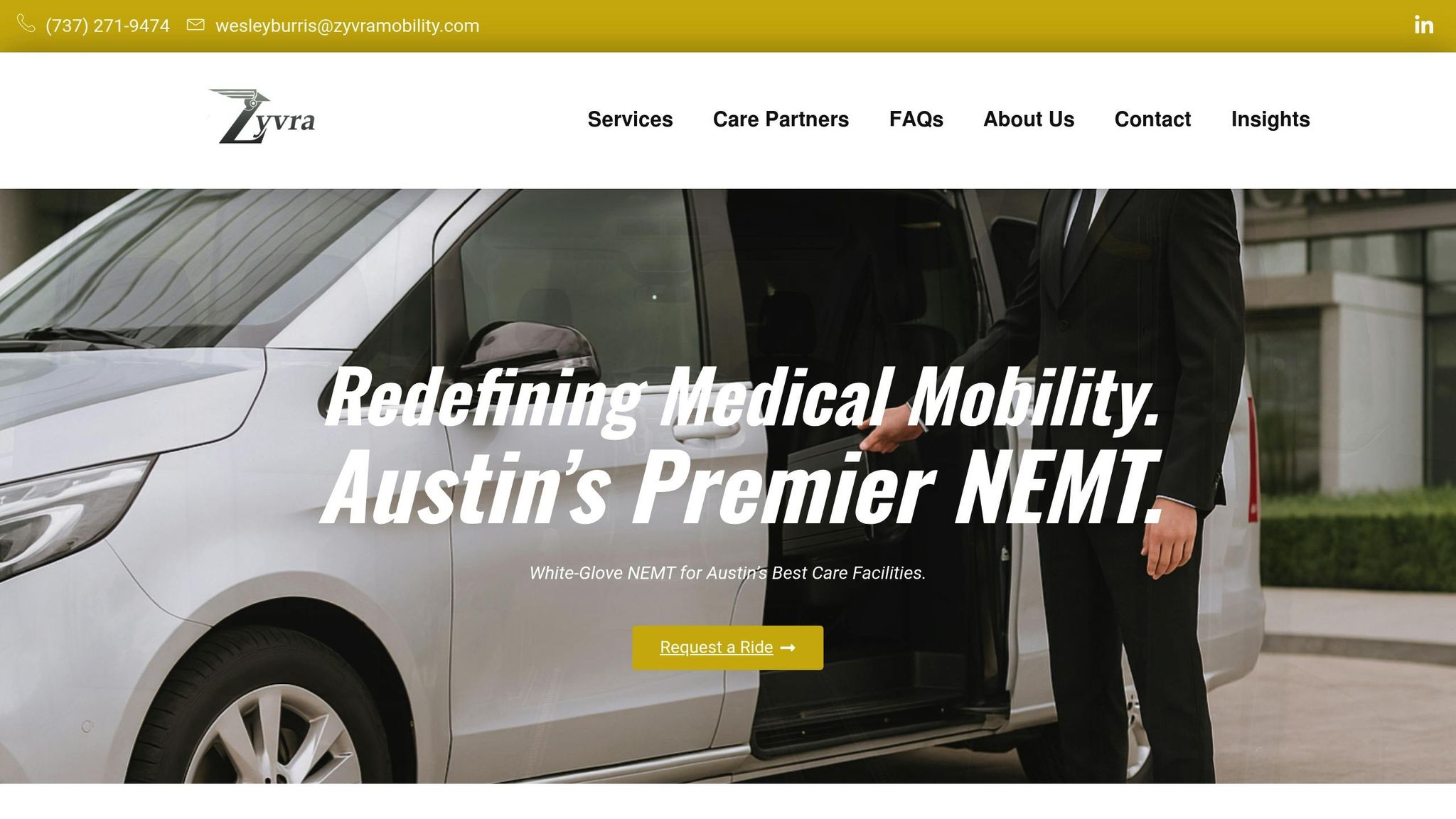
Zyvra Mobility offers a range of vehicles tailored to meet the diverse needs of seniors. Their fleet includes ADA-compliant options such as wheelchair-accessible vans equipped with hydraulic lifts and secure tie-down systems, low-entry ambulatory vehicles for those using walkers or canes, and stretcher-capable transport for bed-bound individuals who don’t require emergency ambulance services. Each vehicle is stocked with first-aid kits, biohazard supplies, and sneeze guards to prioritize safety and infection control. For seniors with specific requirements, bariatric equipment ensures a comfortable and dignified travel experience. This well-equipped fleet, combined with advanced scheduling tools, ensures smooth and dependable service.
Smart Scheduling with AI and Real-Time Updates
Zyvra Mobility uses an intelligent technology platform to simplify transportation scheduling. Through a centralized dashboard, rides can be planned for the same day or scheduled up to 60 days in advance. Importantly, seniors don’t need smartphones to access the service – ride details are sent via text messages or phone calls. Real-time GPS updates keep staff and families informed, eliminating the need for residents to have personal devices. Additionally, the system features intervention alerts, notifying coordinators if a driver is delayed or a resident might miss their appointment. This proactive approach minimizes stress and helps staff manage transportation logistics more effectively.
Meeting Medical and Everyday Transportation Needs
Zyvra Mobility goes beyond basic transportation by addressing both medical and daily travel requirements. Their services include hospital discharges, outpatient procedures, specialist appointments, and rehabilitation sessions. This is especially critical for seniors recovering from anesthesia or feeling disoriented after procedures, as door-to-door assistance ensures they are supported every step of the way, unlike curbside drop-offs. Trained drivers, skilled in handling specialized equipment, further ensure safe and secure transport. Whether it’s a routine doctor’s visit or a more complex medical trip, Zyvra Mobility’s reliable and attentive service makes every journey manageable and stress-free.
sbb-itb-8e5d2ef
Benefits of Using Zyvra Mobility for Senior Living Facilities
Better Appointment Attendance and Health Outcomes
Transportation reliability is a game-changer for seniors managing their health. Missed medical appointments often lead to worsening conditions or costly emergency care. A two-year study by the US Veterans Health Administration revealed that 83% of veterans would have missed their appointments without managed transportation services [1]. For senior living facilities in Austin, this means residents can access preventive care, specialist visits, and screenings without the stress of finding a ride. With real-time tracking and intervention alerts, staff can step in before a critical appointment is missed. This proactive approach ensures consistent care, better health outcomes, and less stress for everyone involved. Plus, it eases the logistical burden on staff, allowing them to focus on other responsibilities.
Less Staff Burden and Better Operational Efficiency
Efficient transportation coordination doesn’t just improve health outcomes – it also lightens the load for staff. Caregiving is already a demanding job, and adding transportation logistics can stretch resources thin. Zyvra Mobility simplifies the process with its centralized dashboard, enabling staff to handle ride requests, monitoring, and management from a single platform. This eliminates the need for residents to navigate smartphones or apps [1]. For example, OneWell Health Care reported saving $407 per month per participant after adopting technology-driven NEMT (Non-Emergency Medical Transportation) coordination [1].
In Austin, facilities can benefit from features like automated scheduling for recurring treatments and bulk CSV uploads for high-volume needs. Administrative tools also provide clear insights into transportation costs and usage, making budgeting and planning more straightforward. Ultimately, this streamlined system allows staff to dedicate more time to resident care while maintaining operational efficiency.
More Comfort and Safety for Seniors
Transportation can be a source of anxiety for seniors, but Zyvra Mobility prioritizes their comfort and safety. Drivers are certified in CPR and First Aid, ensuring they’re equipped to assist seniors who may feel disoriented after anesthesia or need extra time to move from their room to the vehicle [1].
"I would like to compliment the efforts… in getting my mom to and from her appointment. We arrived on time and were treated with kindness and professionalism by both drivers." – Katy M.
The door-to-door assistance model provides hands-on support, helping seniors move safely from their bedside to the vehicle and back. This minimizes physical strain and ensures peace of mind . Families also benefit from automated notifications in over 15 languages, keeping them informed about driver arrival times. Real-time tracking adds another layer of reassurance, letting families know their loved ones are safe throughout the journey [1]. By focusing on safety, respect, and compassionate care, Zyvra Mobility builds trust with both residents and their families, making each trip a positive experience.
How to Start Using Zyvra Mobility at Your Senior Facility
Reach Out to Zyvra Mobility for Tailored Transport Solutions
Zyvra Mobility offers transport solutions customized to fit your facility’s unique needs, whether you’re managing a handful of weekly trips or coordinating dozens of daily rides. Their services cover everything from ambulatory transport to wheelchair-accessible vehicles and door-to-door assistance. Your staff will also have access to a centralized dashboard, making it easy to manage multiple rides at once, save resident profiles for faster scheduling, and generate reports to track spending and improve budget efficiency [1]. This personalized approach ensures your facility gets exactly what it needs – without unnecessary extras. Plus, everything integrates seamlessly with their advanced tracking tools, which we’ll explore next.
Leverage Real-Time Tracking for Better Trip Management
With Zyvra Mobility’s centralized dashboard, you can monitor trips in real time using live GPS tracking [1]. This feature allows coordinators to see where each vehicle is at any given moment. If a driver is delayed, a pickup is missed, or a trip is canceled, you’ll receive "Attention Needed" alerts so you can act quickly [1]. Real-time oversight like this is especially important in senior care. For example, healthcare providers using similar tracking tools have seen an 83% drop in missed appointments [1]. Beyond location tracking, you can also review driver safety metrics, such as braking and speed habits, to ensure residents enjoy smooth and safe rides. Staff can even time their arrival to meet residents at the facility entrance as soon as they return from appointments [1]. This level of precision makes managing regular transportation easier than ever.
Simplify Recurring Rides for Routine Appointments
For residents who need ongoing care – like dialysis, chemotherapy, or physical therapy – setting up recurring rides can save your staff time and reduce scheduling headaches. Through Zyvra Mobility’s dashboard, you can create schedules that automatically organize transportation for repeat appointments on a weekly or monthly basis. Bulk uploading appointments via CSV is simple, and you’ll receive automated notifications in over 15 languages to keep everyone informed [1]. For specialized transport requiring third-party providers, you can plan ahead and schedule rides anywhere from 24 hours to 60 days in advance [1]. This proactive approach has proven to save organizations an average of $407 per month per participant by cutting down on inefficiencies and missed appointments [1].
Conclusion: Improving Senior Mobility with Zyvra Mobility
For senior living facilities in Austin, reliable transportation is not just a convenience – it’s a key part of supporting residents’ health and independence. Traditional solutions like volunteer programs and Austin’s MetroAccess often come with hurdles, such as lengthy qualification processes or limited availability. Zyvra Mobility addresses these gaps by offering professional, dependable Non-Emergency Medical Transportation (NEMT) services that facilities can rely on every day.
The benefits of such efficiency are tangible. Healthcare providers using similar NEMT platforms have reported fewer missed appointments and lower coordination costs [1]. For seniors managing chronic conditions like dialysis or chemotherapy, this reliability doesn’t just save time – it ensures they receive consistent care, which is critical for their health.
Zyvra Mobility also lightens the load for facility staff while improving the overall quality of care for residents. With a centralized dashboard featuring real-time tracking and automated notifications, coordinators can easily manage transportation needs. Beyond medical appointments, the service also supports everyday trips, such as outings that promote social interaction and emotional well-being.
On top of operational benefits, Zyvra Mobility prioritizes safety and accessibility. Its ADA-compliant vehicles and trained staff ensure every ride is secure and accommodating. Unlike standard rideshare options, which often require passengers to enter vehicles independently, or paratransit services that stop at the curb , Zyvra provides the hands-on assistance seniors need to travel safely and comfortably. This approach helps residents stay connected to essential healthcare and community resources.
FAQs
How does Zyvra Mobility ensure seniors travel safely and comfortably?
Zyvra Mobility prioritizes the safety and comfort of senior passengers, offering transportation services tailored to their unique needs. Our fleet of ADA-compliant vehicles is thoughtfully designed to accommodate wheelchair users, stretcher passengers, and those who are ambulatory. Each vehicle is equipped with secure tie-down systems, climate-controlled interiors, and essential safety tools like first-aid kits.
Our team of drivers and attendants undergoes specialized training to ensure the highest level of care. They are skilled in patient handling, wheelchair operation, and emergency response. Whether it’s assisting with transfers or providing curb-to-curb support, they are prepared to address any needs that may arise during the ride.
To make scheduling seamless and reliable, we use a HIPAA-compliant platform that allows healthcare providers to easily book, track, and manage rides. This system helps ensure timely transportation, minimizing the risk of missed appointments. With these thoughtful measures, Zyvra Mobility delivers a safe, comfortable, and worry-free travel experience for every senior passenger.
What makes Zyvra Mobility’s NEMT services a better fit for seniors than public transportation?
Zyvra Mobility’s Non-Emergency Medical Transportation (NEMT) services are thoughtfully crafted to address the specific needs of seniors. These services include ADA-compliant vehicles, accommodations for wheelchairs and stretchers, and personalized assistance to ensure every ride is both safe and comfortable.
Unlike public transit, which often lacks accessibility and operates on rigid schedules, Zyvra Mobility emphasizes flexibility and dependability. Seniors can rely on punctual pickups, drivers trained to assist with mobility challenges, and a commitment to comfort throughout the journey. This personalized service makes it easier for seniors to reach healthcare appointments and other essential destinations without stress or hassle.
How can senior living facilities incorporate Zyvra Mobility’s NEMT services into their operations?
Senior living facilities can easily incorporate Zyvra Mobility’s Non-Emergency Medical Transportation (NEMT) services into their daily routines by syncing them with existing transportation systems. Start by evaluating residents’ travel needs – whether it’s regular medical appointments or specialized trips requiring wheelchair or stretcher accommodations – and coordinating these requirements with Zyvra’s ADA-compliant vehicles. Scheduling becomes straightforward with a simple request process, allowing staff to submit ride details directly through Zyvra’s dispatch system for dependable curb-to-curb service.
For added convenience, Zyvra’s HIPAA-compliant scheduling tools can be integrated into the facility’s current software. This enables staff to book rides, access real-time updates, and handle confirmations all in one place, eliminating the need to juggle multiple platforms. Payment options are also flexible, with choices like direct billing or Medicaid arrangements, making financial management more manageable.
Equipping staff with basic training on Zyvra’s safety protocols and wheelchair-handling techniques ensures seamless operations and prioritizes resident safety. By weaving these services into their daily processes, senior living facilities can enhance mobility, improve access to healthcare, and empower residents to maintain their independence.