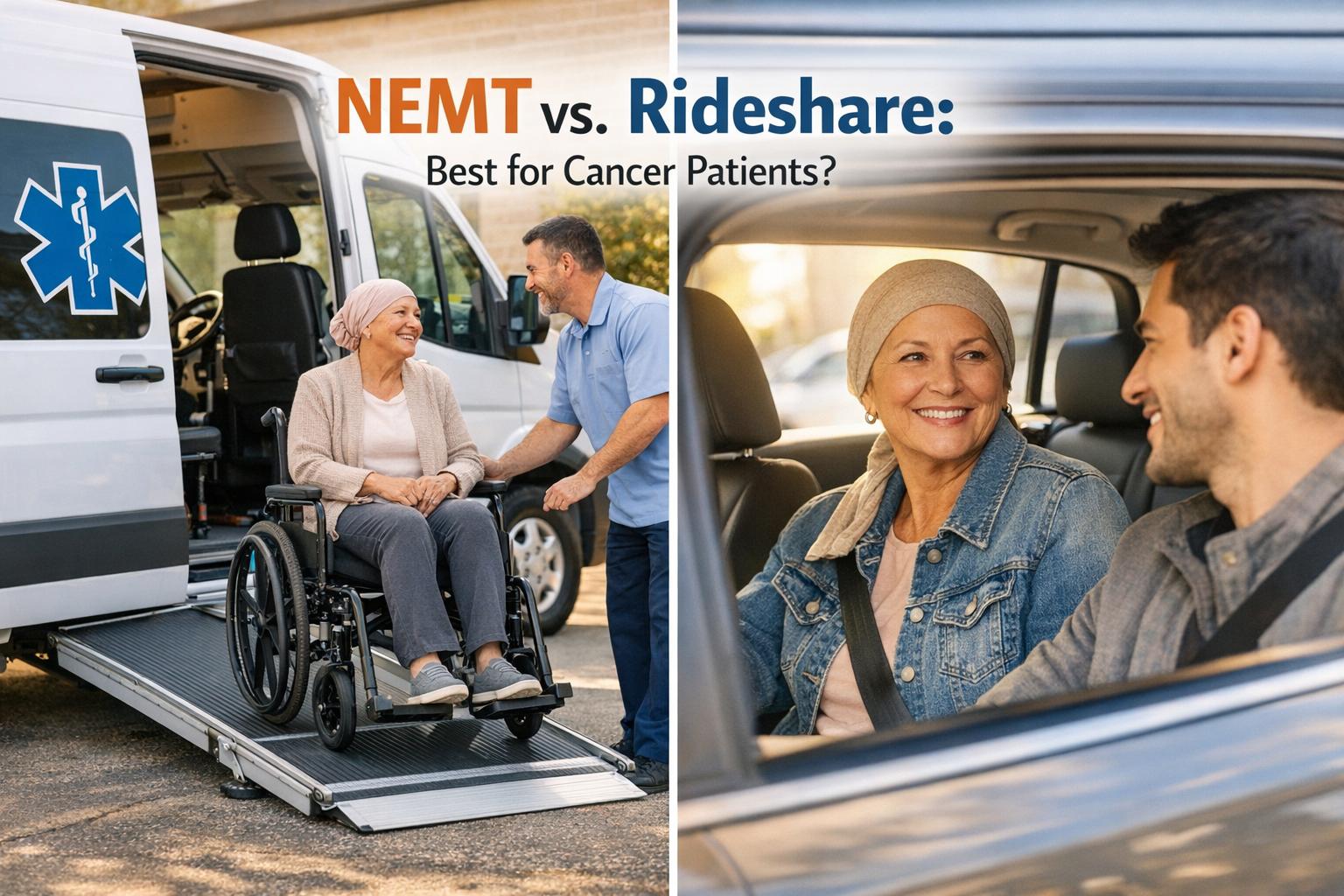
Getting to medical appointments safely is crucial, especially for those relying on Non-Emergency Medical Transportation (NEMT). Here’s how to ensure your ride is secure and stress-free:
- Plan Ahead: Book early, specify your needs, and confirm details to avoid last-minute issues.
- Choose the Right Provider: Look for ADA-compliant vehicles, trained drivers, and a strong safety record.
- Secure Equipment Properly: Ensure mobility aids like wheelchairs and stretchers are anchored securely.
- Communicate Clearly: Share medical details with the transport team to help them prepare.
- Follow Safe Procedures: Take care during boarding, riding, and exiting to minimize risks.
These steps help you or your loved ones travel safely and comfortably to medical appointments.
The Ins and Outs of Wheelchair Securement In Your NEMT Work
1. Plan Your Medical Transport Ride Ahead of Time
Getting ahead of the game is key when arranging a medical transport ride. Scheduling in advance not only helps you stay organized but also ensures that the transportation provider has enough time to meet your specific needs. Start by figuring out exactly what your requirements are so you can make the right arrangements.
Evaluate your specific needs before contacting a provider. Think about whether you’ll need a wheelchair-accessible vehicle, assistance from trained staff, or room for medical equipment like oxygen tanks. Also, consider if this is a one-time trip or if you’ll need recurring transportation for regular appointments.
Book as early as possible to secure the right vehicle and staff. Once you know your appointment date and time, schedule your ride right away. This increases the likelihood of availability and gives the provider time to prepare. Waiting until the last minute could mean missing out on specialized vehicles or trained personnel when you need them most.
When booking, be specific about your needs. Share all the important details with your non-emergency medical transportation (NEMT) provider, such as the exact date and time of your appointment, pick-up and drop-off locations, and any special requirements. For example, if you need stretcher transportation or a wheelchair-accessible ride, make sure to mention it. Also, inform them about any medical equipment, medications, or specialized care you’ll need during the trip. Once your booking is made, gather all necessary documents and confirm the details.
Prepare your documents in advance. Have everything ready, including proof of identity, your appointment details, and the destination address. This helps avoid delays or confusion on the day of your ride.
Understand your payment and insurance options upfront. If you’re a Medicaid beneficiary, non-emergency medical transportation may be covered if you lack other ways to get to medically necessary services. Clarify these details during booking to avoid surprises. Also, reconfirm your reservation 24–48 hours before pickup. A quick confirmation call ensures everything is on track and gives you a chance to address any last-minute questions or updates.
2. Select an ADA-Compliant and Dependable NEMT Provider
When choosing a Non-Emergency Medical Transportation (NEMT) provider, it’s crucial to prioritize safety, accessibility, and staff expertise. A dependable provider adheres to strict safety protocols, meets federal accessibility standards, and employs trained personnel who can address your specific medical needs.
Verify ADA compliance and vehicle accessibility. Opt for providers with vehicles that meet ADA standards. These vehicles should include ramps or lifts, secure tie-down systems, and enough space to accommodate medical equipment. When reaching out to providers, ask detailed questions about their vehicle options and accessibility features to ensure they align with your requirements.
Evaluate driver qualifications and certifications. Drivers in the medical transport field need specialized training and certifications. Request proof of their credentials and verify them through the NREMT website using the driver’s EMS ID or name. Once you’ve confirmed their certifications, take a closer look at the provider’s overall safety measures.
Here are the typical certification levels for medical transport drivers:
| Certification Level | Role | Renewal Period |
|---|---|---|
| EMR (Emergency Medical Responder) | Basic transport services | 2 years |
| EMT (Emergency Medical Technician) | Standard medical transport | 2 years |
| AEMT (Advanced EMT) | Advanced care transport | 2 years |
| Paramedic | Critical care transport | 2 years |
Review background check policies and ongoing training programs. Comprehensive background checks are a must. For example, studies have shown that 19% of nurse’s aides with confirmed cases of theft, abuse, or neglect had prior convictions. Reputable providers conduct thorough screenings, including federal and state criminal history checks, national sex offender registry reviews, drug tests, professional license verifications, driving record checks, and employment history reviews. Additionally, top-tier providers ensure their staff stays prepared with regular training, such as monthly CPR practice, quarterly emergency response drills, bi-annual equipment reviews, and annual certification renewal preparation.
Examine safety records and compliance history. Ask about the provider’s safety statistics, any past incidents, and how they manage emergencies during transport. U.S. Department of Transportation regulations require that transportation operators train their staff to operate vehicles safely, assist individuals with disabilities respectfully, and address various medical needs effectively.
To make an informed decision, contact multiple providers, compare their credentials, safety records, and compliance histories, and choose the one that guarantees a secure and reliable ride for every patient.
3. Check Proper Use and Securement of Mobility Equipment
Making sure mobility equipment is properly secured is crucial to preventing accidents, even from small shifts during transit. This step works alongside earlier safety checks to guarantee a smooth and secure ride.
For Wheelchairs:
Double-check that the wheelchair is firmly anchored to its designated points using an appropriate securement system.
For Stretchers:
Confirm that all stretcher locks and safety rails are fully engaged to keep the stretcher stable during movement.
Patient Restraint Systems:
For wheelchairs, ensure a dedicated belt system is securely in place. For stretchers, verify that all restraint straps are fastened and properly adjusted.
Additional Medical Equipment:
Secure items like oxygen tanks, monitors, or IV poles in their assigned compartments or with the appropriate mounting systems.
Final Equipment Check:
Before setting off, inspect all mobility equipment for any signs of wear or damage. If you spot an issue, alert the transport team right away.
sbb-itb-8e5d2ef
4. Maintain Clear Communication with Your Driver and Care Team
Clear communication plays a critical role in ensuring safe medical transport. By providing accurate and detailed medical information to your transport team, you help them make informed decisions and prepare effectively for your journey.
Share Key Medical Information Ahead of Time
When booking your transport, make sure to share essential details such as your medical history, current medications, allergies, and any specific conditions. Providing this information early gives the team time to prepare for any potential challenges and ensures they have the necessary equipment on board.
Keep Your Care Team in the Loop
It’s equally important for your doctors to communicate directly with the transport team. They can provide updates on your condition, ongoing treatments, and any potential risks. If you’re a family member or caregiver, your input is crucial too. Offering detailed information about medical history and medications helps ensure seamless and well-coordinated care.
When everyone involved has a full picture of your medical needs, the transport team can focus on delivering the highest level of care during your journey.
5. Follow Safe Boarding, Riding, and Exit Procedures
Once you’ve completed your pre-ride preparations, it’s time to focus on the actual journey. Following the right steps for boarding, riding, and exiting can make a big difference in staying safe and comfortable.
Getting on the Medical Transport Vehicle
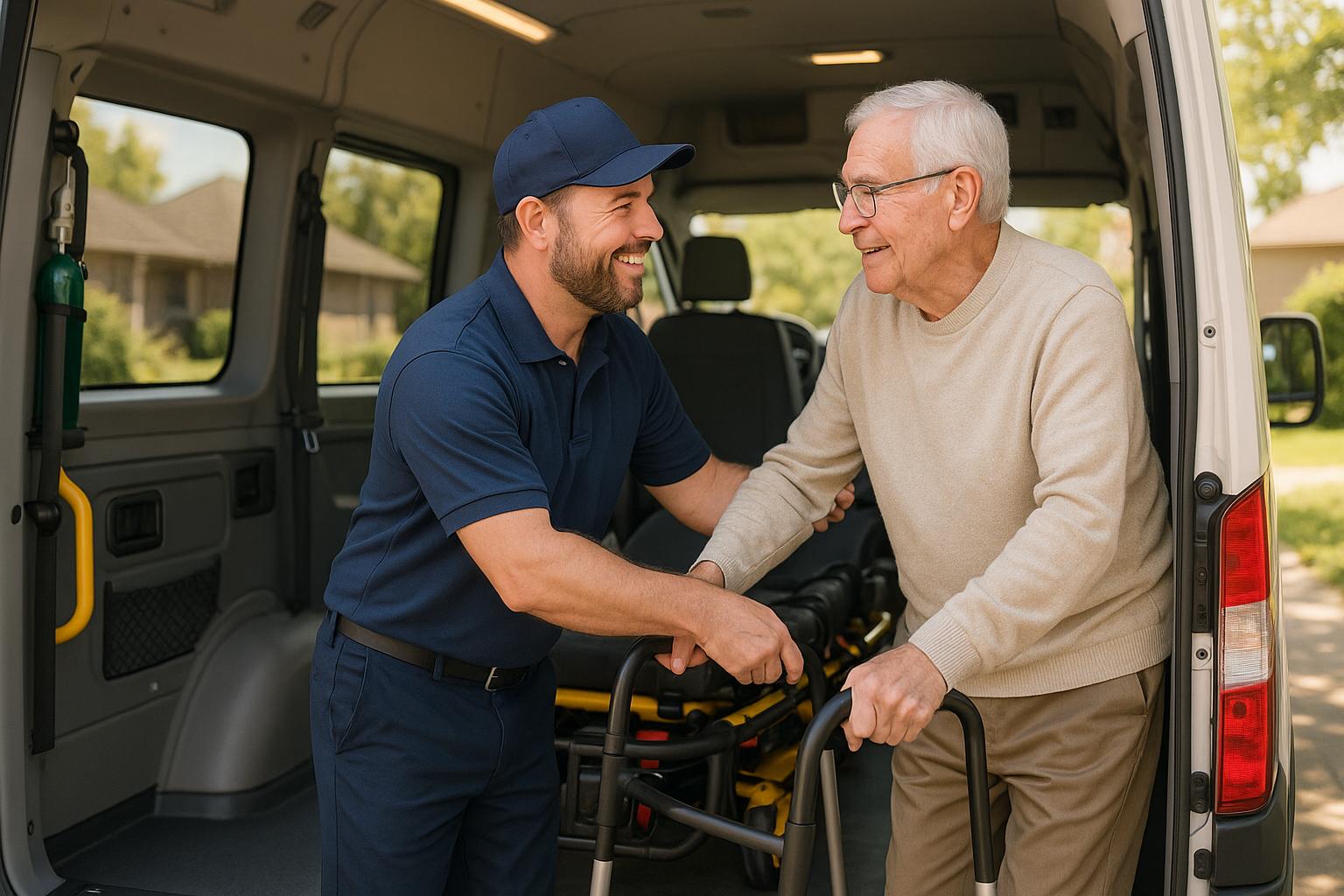
How you board depends on the type of vehicle and your mobility needs. For side-loading vans, face away from the vehicle; for rear-loading vans, face toward it. As soon as you’re on the lift platform, lock the brakes on your wheelchair and let the driver secure the safety strap. Take your time – rushing can lead to unnecessary risks.
Staying Safe During the Ride
Once you’re inside, the driver will secure all tie-downs and straps to keep your wheelchair or stretcher stable. Make sure the vehicle’s shoulder strap is properly positioned across your chest. Stay seated and avoid moving around, especially if you’ve recently had medical treatment. Any medical equipment you have should remain secured, and adjustments should only be made if a medical professional advises it. As you near your destination, get ready to follow the same careful steps when exiting.
Exiting the Vehicle Safely
When you arrive, the driver should park in a safe, flat area with enough space for the lift to operate. They should also engage the emergency brake before unloading begins. All tie-downs and straps should be removed before you’re moved onto the lift. If you’re using a powered wheelchair, turn it off and set the brakes. The driver will step outside to operate the lift controls and help guide your wheelchair to a safe spot once you’re on the ground.
Throughout the entire process, communication with your driver is key. If something feels off or you need extra help, don’t hesitate to speak up. Your safety and comfort should always come first.
Comparison Table
When selecting medical transport, understanding wheelchair securement options is key to balancing safety and independence.
| Feature | Manual Tie-Downs | Retractable Tie-Downs | Docking Systems |
|---|---|---|---|
| How It Works | Secured with straps, manually tightened using a ratchet | Automatically retract and secure wheelchair in place | Automatic locking systems requiring a docking pin or bolt added to the wheelchair |
| Assistance Needed | Assistance is helpful/expected for securing | Assistance is helpful but not absolutely necessary | Designed for use without additional assistance |
| Cost | Generally more affordable | Typically more expensive than manual systems | Higher cost due to automation and potential wheelchair modifications |
| Independence Level | Limited – requires help from a driver or attendant | Moderate – allows for some independence | Maximum – enables full independence for wheelchair users |
| Space Efficiency | Requires standard floor space | Known for saving space | Integrates cleanly but may need vehicle modifications |
| Best For | Budget-conscious riders with consistent assistance | Users who prioritize ease of use and some independence | Drivers seeking accessible restraint options and maximum independence |
Manual systems are ideal for individuals who consistently have assistance available, while retractable systems provide a balance of ease and independence, albeit at a higher cost.
Docking systems, on the other hand, represent an advanced option for accessible transportation. They offer the highest level of independence but often require modifications to the vehicle and adjustments to the wheelchair itself.
Each system also comes with specific vehicle requirements. Manual and retractable tie-downs rely on floor anchors, while docking systems may necessitate full-size or lowered-floor vans and, in some cases, replacing the driver’s seat. It’s essential to consult your provider to confirm which systems they use and ensure their drivers are trained in their proper operation. Choosing the right securement system is vital for ensuring both safety and independence during transport.
Having a clear understanding of these systems better prepares you to discuss your mobility needs with your NEMT provider.
Conclusion
Ensuring safe medical transport requires careful planning, choosing reliable providers, proper equipment handling, clear communication, and strict adherence to safety procedures. This process involves scheduling rides in advance, selecting a provider with ADA-compliant services, securing medical equipment properly, sharing essential medical information, and following safe boarding, riding, and exiting practices to protect patients throughout their journey.
When evaluating a Non-Emergency Medical Transportation (NEMT) provider, always prioritize the patient’s comfort, care, and safety. Look for providers that offer dependable, well-maintained vehicles and uphold professional service standards.
At Zyvra Mobility, we integrate these safety principles into every aspect of our NEMT services in Austin, Texas. From ADA-compliant vehicles to professionally trained drivers and advanced scheduling tools, we’re committed to delivering safe and timely transportation for patients and their families. By following these guidelines and choosing a provider dedicated to high standards, you can ensure a secure and dependable transport experience.
FAQs
What should I look for when selecting a Non-Emergency Medical Transportation (NEMT) provider?
When selecting a Non-Emergency Medical Transportation (NEMT) provider, there are a few essential things to keep in mind to ensure a safe and comfortable experience. Start by confirming the provider’s credentials. Do they have the proper licensing, insurance, and compliance with ADA (Americans with Disabilities Act) standards? These are non-negotiable for meeting legal and safety requirements.
Next, take a close look at their vehicles. Are they equipped to meet your specific needs? For instance, if you require a wheelchair lift or a stretcher, make sure their fleet can accommodate those. It’s also worth checking if their drivers are trained to assist passengers with medical or mobility challenges, as this can make a big difference in the quality of service.
Lastly, think about their reliability. Are they known for being punctual? Can they adjust to your schedule when needed? A provider that values timeliness and flexibility will help ensure your transportation is stress-free and dependable. By focusing on these factors, you can find a service that puts your safety and comfort first.
How can I make sure my mobility equipment is securely fastened during a medical transport ride?
To make sure your mobility equipment, like wheelchairs or stretchers, stays secure during a medical transport, start by confirming that the transportation provider uses appropriate safety restraints and equipment. Reputable providers should have ADA-compliant vehicles equipped with systems specifically designed to secure mobility devices.
Before the trip begins, take a moment to double-check that everything is properly secured. For wheelchairs, ensure the brakes are engaged, and ask the driver or staff to verify that all straps or restraints are tightly fastened to keep the chair from shifting during the ride. If you’re using a stretcher, make sure the safety belts are snug but still comfortable.
If you’re uncertain about any part of the process, feel free to ask the driver or transport team for help – they’re trained to prioritize your safety and comfort throughout the journey.
How can I communicate effectively with my medical transport team to ensure a safe and comfortable ride?
Clear communication with your medical transport team is essential for a safe and stress-free journey. Before your ride, make sure to provide any critical details about your medical needs, mobility aids, or specific requirements. This could include information about medications you’re taking, physical challenges, or any help you might need when boarding or exiting the vehicle.
During the trip, don’t hold back if you have questions, concerns, or need adjustments to improve your comfort or safety. A skilled transport team values your feedback and will take steps to address your needs quickly. Being open and clear ensures a smoother, safer experience for everyone involved.